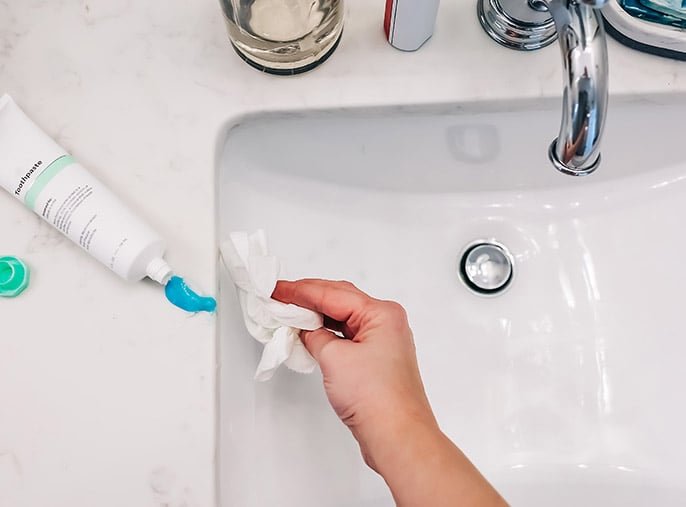
We’ve all been there. You’re brushing your teeth, you spit, and the water just sits there, staring back at you like a stagnant pond. It’s gross, it’s slimy, and if you’re like me, your first instinct is to run to the store for a jug of that liquid “pipe-clearing” fire.
Stop right there. I once used so much of that stuff in my first fixer-upper that I actually managed to melt a plastic seal and ended up with a swamp under my vanity. My wife wasn’t thrilled about the “indoor water feature” I created. Chemicals are harsh on your pipes, terrible for the environment, and honestly, they usually just burn a small hole through the hair clump instead of actually removing it.
If you want to clear a slow-draining sink for good, you’ve got to get your hands a little dirty. Here is how I handle a clogged bathroom sink without spending forty bucks on toxic liquids.
Use a Zip-Style Plastic Drain Cleaning Tool
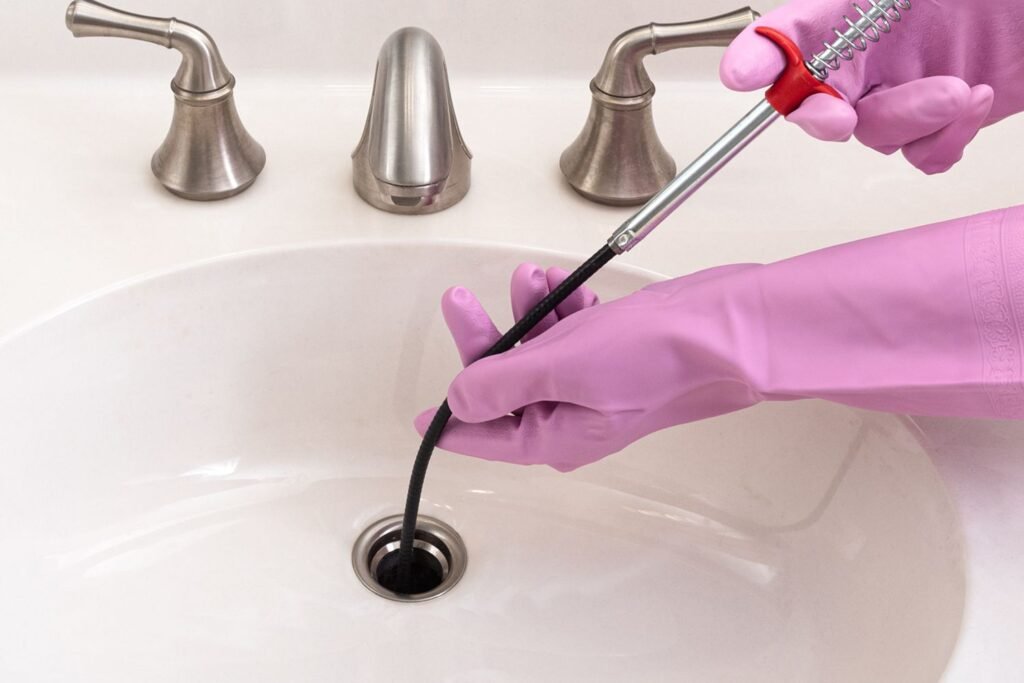
If you haven’t seen these long, thin plastic sticks with little “teeth” on the sides, you are missing out on the most satisfyingly disgusting DIY tool ever invented. I call it the “Hair Harpoon.” You can buy a pack of these for less than a fancy latte, and they work better than almost anything else for superficial clogs.
I remember the first time I used one in our guest bathroom. I thought the drain was relatively clean, but I pulled out a wad of hair that looked like a small, soaked rodent. My kids were horrified; I was strangely proud. You simply slide the plastic strip down into the drain as far as it will go, give it a little wiggle, and pull it back up.
The little barbs catch onto hair and soap scum effortlessly. The trick is to go slow. If you yank it out too fast, you risk splashing “drain juice” all over your mirror, and let me tell you, that stuff has a smell that lingers. I always keep a grocery bag right next to me to drop the hairball into immediately.
Most people stop after one pull. Don’t do that. I usually go in four or five times from different angles. You’d be surprised how much gunk hides behind the pop-up stopper assembly. It’s a cheap, three-minute fix that solves about 80% of sink drainage issues.
The Old School Plunger Method for Sinks
Most folks think plungers are only for toilets, but I keep a small “cup plunger” specifically for my sinks. Using a giant toilet plunger on a delicate porcelain sink is a recipe for a cracked basin, so stick to the small ones. My dad taught me this trick after I spent three hours trying to disassemble a pipe that just needed a little pressure.
First, you have to block the overflow hole. You know that little hole near the top of the sink? If you don’t plug that with a damp rag, you’re just pushing air in a circle and you won’t get any suction. I usually have my spouse hold the rag tight against the hole while I work the plunger.
Fill the sink with just enough water to cover the rubber cup of the plunger. You want a water seal, not an air seal. Push down gently to get the air out, then give it several fast, firm vertical pumps. You aren’t trying to push the clog down into the sewer; you’re trying to vibrate it loose so it can break apart or be pulled back up.
The first time I tried this without plugging the overflow, I ended up covered in grey water. It was a rookie mistake. Once you get that suction right, you’ll feel the resistance change. When the water suddenly disappears with a loud slurp, you know you’ve won the battle.
Remove and Clean the Pop-Up Stopper
Sometimes the clog isn’t deep in the pipes at all; it’s literally wrapped around the stopper itself. I’ve seen stoppers so caked in hair and toothpaste that there was only a pinhole left for water to escape. Most people think you have to be a master plumber to take these out, but it’s usually just one nut under the sink.
Go under the vanity and look for the horizontal rod sticking out of the back of the large vertical pipe (the tailpiece). There is usually a plastic or metal nut holding that rod in place. Unscrew it with your fingers—or pliers if it’s stubborn—and pull the rod back slightly. Now, you can lift the stopper straight out of the sink.
Prepare yourself. The bottom of that stopper is going to be the grossest thing you see all week. I take mine to the kitchen sink (which is hopefully draining fine) and scrub it with an old toothbrush and some dish soap. I once found a lost wedding ring tangled in the hair on one of these, so keep your eyes peeled for “treasures” before you dump the gunk.
While the stopper is out, I like to take a flexible bottle brush and scrub the inside of the pipe. You’d be shocked at how much “bio-film” (that’s the polite word for slime) builds up there. It’s an easy way to prevent the smell that often comes with a slow drain. Pop it back in, tighten the nut, and you’re back in business.
Taking Apart the P-Trap
If the “Hair Harpoon” and the plunger failed, the clog is likely sitting in the U-shaped pipe under your sink, known as the P-trap. I used to be terrified of taking these apart. I thought I’d never get them back together without a leak. Then I realized it’s just a giant game of Lego for adults.
Before you touch a wrench, put a bucket under the pipe. There is always water sitting in that trap—hence the name—and it will spill everywhere the second you loosen the nuts. I learned this the hard way on a plush bathroom rug that never quite smelled the same again. Move the rug, grab the bucket.
Most modern P-traps have “slip nuts” that you can loosen by hand. If they are metal and old, you might need a pair of channel-lock pliers. Turn them counter-clockwise and slide the U-shaped piece off. Usually, the clog is sitting right in the bend, a disgusting mixture of hair, soap, and maybe a stray Q-tip that someone (looking at my kids here) tried to flush.
Once it’s off, I take it outside and spray it with a garden hose. Don’t wash it in the same sink you just dismantled, or you’ll just have a puddle on your floor. Check the black rubber washers while you’re at it. If they look flattened or cracked, spend the two dollars to replace them. Putting it back together is just the reverse—just make sure you don’t cross-thread the plastic nuts.
The Baking Soda and Vinegar “Volcano” Flush
Okay, I know I said “no chemicals,” but I don’t count pantry staples. This is more about physics and a little bit of fizz than harsh acids. It’s not going to melt a massive hairball, but it is fantastic for clearing out the sticky soap scum that acts like “glue” for the hair.
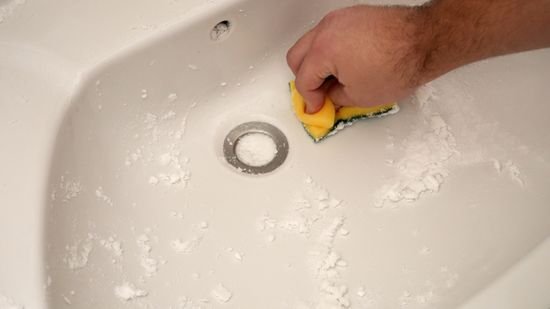
I dump about half a cup of baking soda down the drain first. Use a spoon to shove it down there. Then, I pour in half a cup of plain white vinegar. It’s going to hiss and bubble just like that science fair volcano you made in third grade. I like to put the stopper in or cover it with a rag to force the pressure downward.
Let it sit for at least 15 minutes. While that’s working, boil a kettle of water. I mean really boiling. After the fizzing stops, pour the boiling water directly down the drain. The heat melts the fats in the soap scum, and the bubbling action helps peel the gunk off the pipe walls.
I do this once a month as maintenance. It’s cheap, it’s safe for my old pipes, and it keeps the bathroom smelling fresh. If you’ve got PVC pipes (the white plastic ones), just make sure the water isn’t quite at a “rolling boil” so you don’t soften the joints—let it sit off the stove for a minute before pouring.
Real Talk: When DIY Isn’t Enough
I’m all for “doing it yourself,” but I also know when I’m beaten. If you’ve pulled out the hair, cleaned the P-trap, and did the vinegar dance, and the water is still standing still? You’ve got a clog further down in the main line.
At this point, a hand auger (a “snake”) is your next step, but if you aren’t comfortable feeding twenty feet of steel cable into your walls, this is the time to call a pro. Don’t be the guy who gets a snake stuck in the wall. I did that once in 2014, and the plumber’s “I told you so” look was more expensive than the actual bill.
Also, a quick note on “Natural” Enzyme cleaners: They are great for maintenance, but they are useless for a total blockage. They eat organic matter over time, so they won’t save you if you have a “right now” emergency. Use them monthly, but don’t expect them to be a miracle worker when the sink is already full.
Parting Wisdom
The best way to fix a clogged drain is to never let it clog in the first place. I finally caved and bought those little mesh strainers that sit over the drain. They aren’t the most beautiful things in the world, but they catch everything. It’s a lot easier to dump a strainer in the trash than it is to take apart your plumbing on a Saturday morning.
What’s the weirdest thing you’ve ever pulled out of a drain? I once found a plastic dinosaur that had been missing for three years. Drop your “drain horror stories” or any questions in the comments below—I’d love to help you troubleshoot your latest DIY headache!