That sudden, violent thwack-thunk behind your bathroom wall every time you flush is enough to make anyone jump. It sounds like a poltergeist is trying to escape your plumbing, or worse, like your pipes are about to burst and flood your hallway. I’ve been there—I once spent an entire Saturday morning thinking my water heater was exploding, only to realize my guest bathroom toilet was just throwing a tantrum.
The technical term for this is “water hammer,” but to most of us, it’s just a noisy, nerve-wracking nuisance. Beyond the noise, those vibrations are actually punishing your pipe joints. If you don’t address that rattling now, you’re looking at a slow leak inside your wall that will eventually turn your drywall into mush. I’m going to walk you through the exact steps to quiet your plumbing without calling an expensive pro.
Why Your Toilet Pipes Rattle After Flushing
Before we grab the wrench, we have to understand the “why.” Usually, that rattling happens because the water flow in your home is stopped abruptly. Think of it like a speeding car hitting a brick wall; that energy has to go somewhere. In your plumbing, that energy turns into a shockwave that bounces off the pipe walls.
I’ve found that most homeowners assume they need to replace the entire toilet, which is a total waste of money. Most of the time, the issue is either high water pressure or a loose pipe that wasn’t strapped down properly during the original build. In my old 1970s fixer-upper, the previous owner used literal duct tape to hold the copper pipes to the studs. Needless to say, it didn’t hold up, and every flush sounded like a drum solo.
If you have a modern toilet, the fill valve might be closing too fast. These “quick-close” valves are great for saving water, but they are the primary culprits for water hammer. We’ll look at how to dampen that shock without sacrificing your flush power. I’ll also show you how to check your home’s overall pressure, because if it’s too high, your toilet is just the “canary in the coal mine” for a bigger plumbing disaster.
The goal here is to isolate the vibration. We want to move from a violent “bang” to a silent operation. It’s not just about the noise; it’s about protecting the integrity of your home’s skeleton. Let’s get into the actual fixes that work in the real world, not just in a textbook.
Tighten Loose Pipe Straps and Brackets
The simplest reason your pipes are rattling is that they have too much “wiggle room” inside the wall or under the floor. Pipes are supposed to be secured to the framing of your house with plastic or metal straps. Over time, these straps can rust, snap, or work themselves loose. I remember helping a neighbor who was convinced he had a ghost; turns out, a single plastic C-clamp had snapped, letting his cold water line slap against a wooden stud every time the pressure shifted.
To fix this, you’ll need to locate where the sound is loudest. If you have a basement or a crawlspace, have someone flush the toilet while you stand below with a flashlight. Look for any pipe that jumps or shivers. Once you find the offender, don’t just shove a rag behind it. You need to secure it properly with a pipe strap. I prefer the plastic “talon” style clips because they allow for a tiny bit of thermal expansion without rubbing and making a squeaking sound.
If the pipe is behind a finished wall and you don’t want to rip out your beautiful tile, you can sometimes find the loose spot through the access panel behind the tub or shower. If you can reach in, try to wedging some foam pipe insulation around the pipe where it passes through the wooden studs. This acts as a shock absorber. I’ve seen people use spray foam for this, but I think that’s a mistake—it makes it a nightmare if you ever have to actually replace that pipe later.
A quick side note: If you’re using metal straps on copper pipes, make sure they are copper-coated or plastic-coated. Mixing different types of metal (like a galvanized steel strap on a copper pipe) causes electrolysis, which eats a hole through your pipe. I learned that the hard way after a “simple” fix turned into a pinhole leak six months later. Stick to plastic clamps; they’re cheap, they don’t corrode, and they quiet the vibration better than metal.
Adjust the Toilet Fill Valve Flow
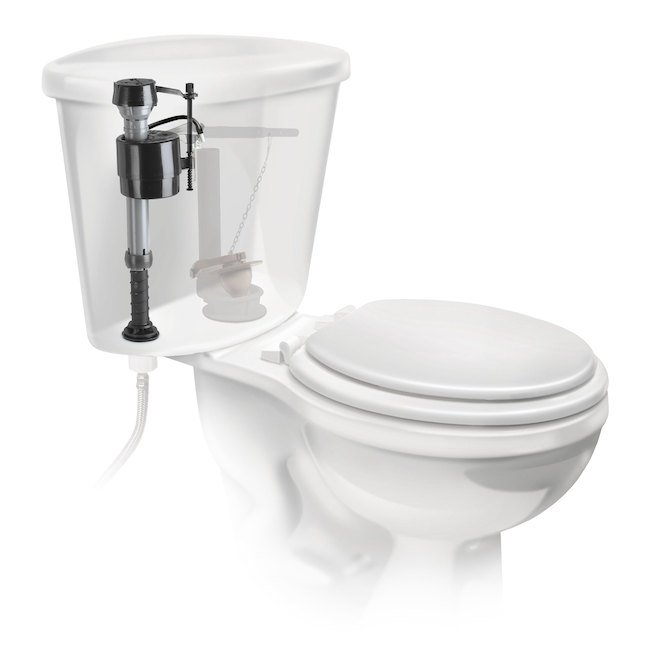
Sometimes the “hammer” isn’t coming from the wall; it’s coming from the toilet tank itself. Inside your tank is a fill valve—that tall plastic tower that lets water in after you flush. Some of these valves close so abruptly that they send a shockwave back through the supply line. I’ve noticed that the cheaper, “all-in-one” replacement kits from big-box stores are often the worst offenders for this.
The first thing I always try is partially closing the shut-off valve on the wall behind the toilet. If you turn that little oval handle slightly toward the “off” position, you restrict the flow of water. This slows down the fill time, but it also lowers the intensity of the “stop” when the tank is full. I did this in my master bath three years ago, and while the toilet takes an extra 20 seconds to fill, the rattling stopped instantly. It costs zero dollars and takes five seconds.
If that doesn’t work, you might need to replace the fill valve with a “slow-close” or “regulated” model. Look for valves specifically labeled as “anti-siphon” or “quiet fill.” These are designed to shut off the water in stages rather than all at once. Installing one is a 10-minute job. You just shut off the water, drain the tank, unscrew the old valve from the bottom, and pop the new one in.
I’ve found that the Fluidmaster PerforMAX is usually the gold standard for this. It has a little dial that lets you adjust how much water goes into the bowl versus the tank, which helps fine-tune the pressure. Don’t bother with the $5 generic valves; they’ll start whistling or rattling within a year. Spend the extra ten bucks on a high-quality valve; your ears (and your pipes) will thank you.
Install a Water Hammer Arrester
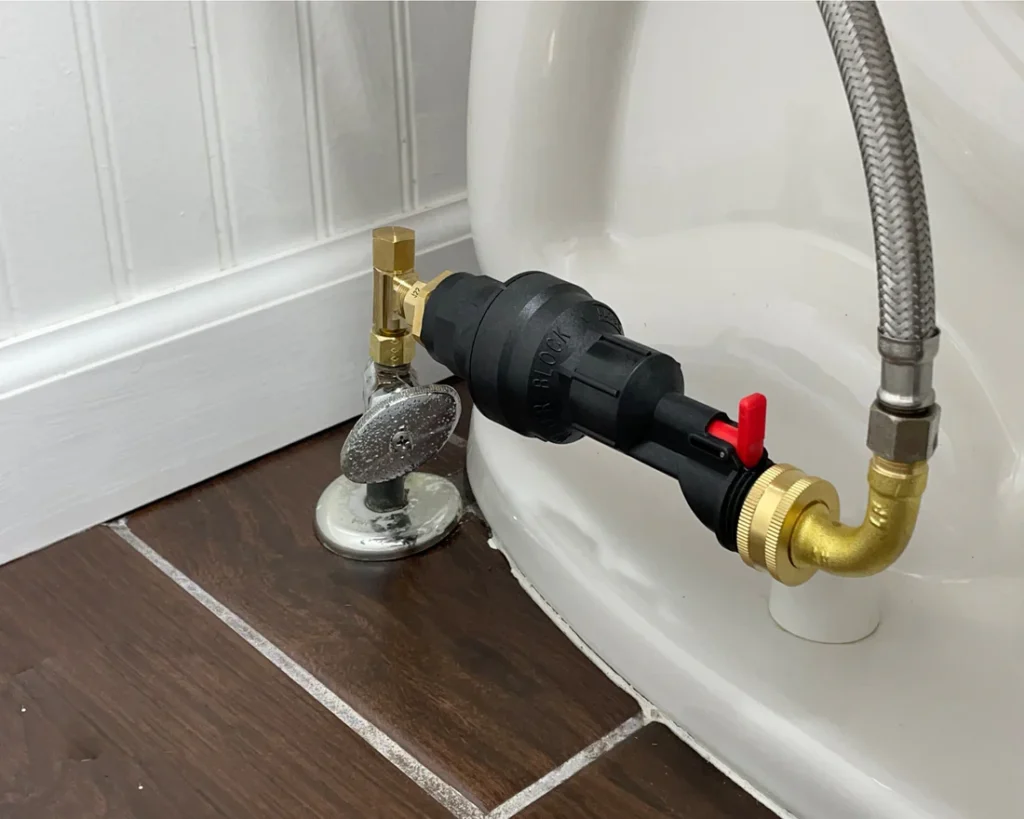
If you’ve tightened the pipes and adjusted the valve but you still hear a “thump,” it’s time to bring in the heavy hitters. A water hammer arrester is a small, stainless steel cylinder that contains a pressurized air chamber. It acts like a shock absorber for your plumbing. When the water stops suddenly, the pressure pushes against a piston in the arrester instead of slamming into your pipe joints.
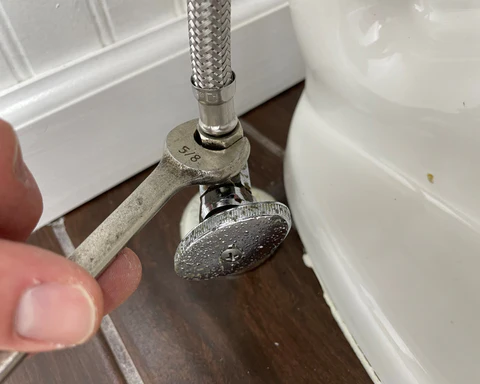
You can buy a “point-of-use” arrester that screws directly onto the shut-off valve behind your toilet. You don’t even need to cut any pipes. You just unscrew the flexible supply line from the wall valve, screw the arrester onto the valve, and then screw the supply line onto the arrester. It’s honestly one of the most satisfying DIY fixes because the results are immediate. I installed one of these for my sister last Christmas, and she said it was the best gift she got all year—peace and quiet.
There are also “in-line” arresters that require a bit of soldering or PEX crimping, but for a toilet rattle, the screw-on version is almost always enough. These devices are rated for years of use, but eventually, the internal seal can fail. If your pipes were quiet for two years and suddenly start banging again, the arrester has probably bit the dust and needs a simple replacement.
I’ve seen some “old school” plumbers suggest building an “air chamber” by adding a vertical leg of pipe behind the wall. I think this is bad advice for a modern DIYer. Those air chambers eventually fill up with water and stop working, and then you’re stuck with a useless piece of plumbing inside your wall. Stick to a mechanical water hammer arrester. It’s a proven, modern solution that actually lasts.
Check and Regulate Your Home Water Pressure
If you have rattling pipes at the toilet, but also notice your faucets are “screaming” or your dishwasher sounds like a freight train, you probably have high water pressure. Most homes should be between 40 and 60 PSI (pounds per square inch). If your pressure is over 80 PSI, you are living in a danger zone. High pressure wears out washers, destroys appliance valves, and causes constant pipe rattling.
You can buy a simple pressure gauge for about $10 at any hardware store. It screws onto your outside garden hose bib just like a garden hose. Turn on the water and see where the needle lands. If it’s high, you need to check your Pressure Reducing Valve (PRV). This is usually a bell-shaped brass valve located near your main water shut-off where the pipe enters the house.
Adjusting a PRV is usually just a matter of loosening a locknut and turning a bolt. Turning the bolt counter-clockwise usually lowers the pressure. However, these valves don’t last forever. They typically have a lifespan of 10 to 15 years. If you try to adjust it and the pressure doesn’t change, the internal diaphragm is shot. Replacing a PRV is a bigger job that might involve some pipe cutting, but it’s essential for the health of your entire plumbing system.
I once worked on a house where the pressure was at a staggering 110 PSI. The homeowner had replaced three toilet fill valves in two years and couldn’t figure out why they kept failing. Once we swapped out the dead PRV and got the house back down to 50 PSI, the rattling stopped, the toilets stayed quiet, and his shower actually felt more comfortable. Don’t ignore high pressure; it’s the silent killer of plumbing.
Bonus Tip: Replace Your Supply Line
While you’re messing around behind the toilet, take a look at that flexible hose connecting the wall to the tank. If it’s one of those old, stiff plastic lines or a corrugated metal one, replace it with a high-quality braided stainless steel line. The braided lines have a bit of “give” to them, which can help dampen the very last bit of vibration before it reaches the toilet. It’s a $6 upgrade that adds a layer of burst protection.
Real Talk: When to Give Up and Call a Pro
Let’s be honest: not every plumbing issue is a 15-minute DIY fix. If you’ve installed a water hammer arrester, lowered your pressure, and swapped the fill valve, but the wall still sounds like a construction site, you might have a “dead leg” in your plumbing or a pipe that has come completely detached from its hangers deep inside a structural wall.
I’m all for DIY, but if you’re at the point where you’re considering cutting a 4-foot hole in your bathroom drywall to find a rattling pipe, take a breath. If you have an older home with galvanized steel pipes, the rattling might be due to internal corrosion narrowing the pipe, which increases the velocity of the water. That’s not something a screw-on arrester can fix. If your pipes are rusting from the inside out, you’re looking at a partial or full re-pipe, and that is a job for a licensed plumber with a permit.
Also, if the rattling is accompanied by a “sewer gas” smell or your toilet is bubbling when you run the sink, you don’t have a water hammer problem—you have a venting problem. That’s a whole different animal involving the pipes that go through your roof. Don’t waste money on arresters if your drains are the real issue. Know your limits. There’s no shame in calling a pro when the “ghost in the walls” turns out to be a structural plumbing failure.
Parting Wisdom
Fixing a rattling toilet is usually about managing energy. Whether you’re strapping down a loose pipe or installing a mechanical shock absorber, you’re just trying to give that moving water a “soft landing.” Start with the cheapest fixes first—the shut-off valve adjustment and the pipe straps—before you start buying new hardware.
Plumbing can be intimidating, but most of it is just basic physics. You don’t need a degree to stop a pipe from banging; you just need a little patience and the right $15 part.
Have you ever had a plumbing sound that drove you absolutely crazy? Or maybe you found a creative way to quiet a noisy pipe without tearing down a wall? Drop your stories or questions in the comments below—I’d love to hear how you tackled your household “poltergeists!”