
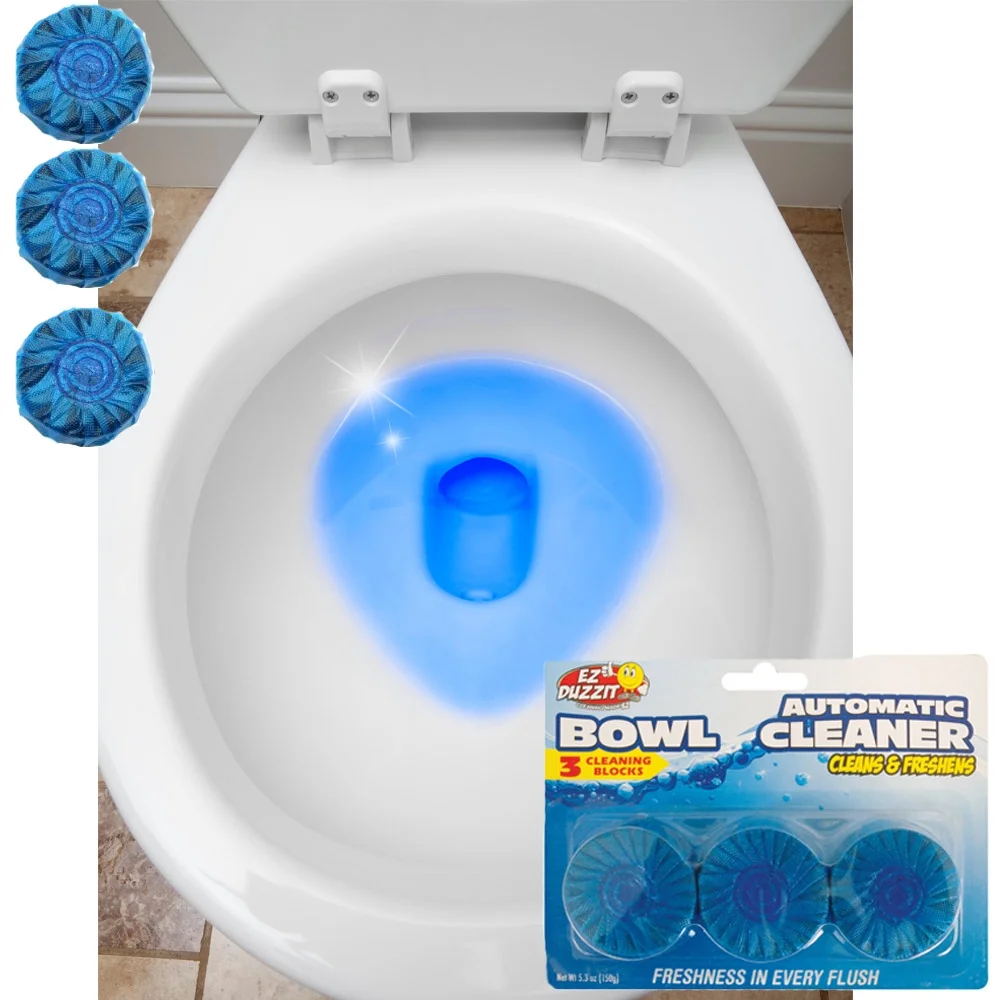
You walk into the bathroom, expecting a sparkling clean porcelain throne, and instead, you see it: a bright, neon-blue smear across the white plastic seat. It looks like a Smurf had an absolute crisis on your toilet. We’ve all done it—you get a little over-enthusiastic with the scrub brush, or the “automatic” cleaner leaks, and suddenly your bathroom looks like a cheap modern art exhibit.
I’ve been renovating houses for over fifteen years, and I’ve made some legendary messes. One time I accidentally knocked out a load-bearing stud while trying to “open up” a closet, and I’ve definitely stained more than my fair share of fixtures. Blue toilet bowl cleaner is particularly nasty because it’s basically a high-strength dye mixed with acid. If you leave it for more than five minutes, it stops being a “spill” and starts being a permanent part of your home’s history. I’ve tried every “hack” out there, including some that nearly stripped the finish off my floor, so I’m here to tell you what actually works before you go out and buy a whole new seat.
1. Magic Eraser for Blue Toilet Stains
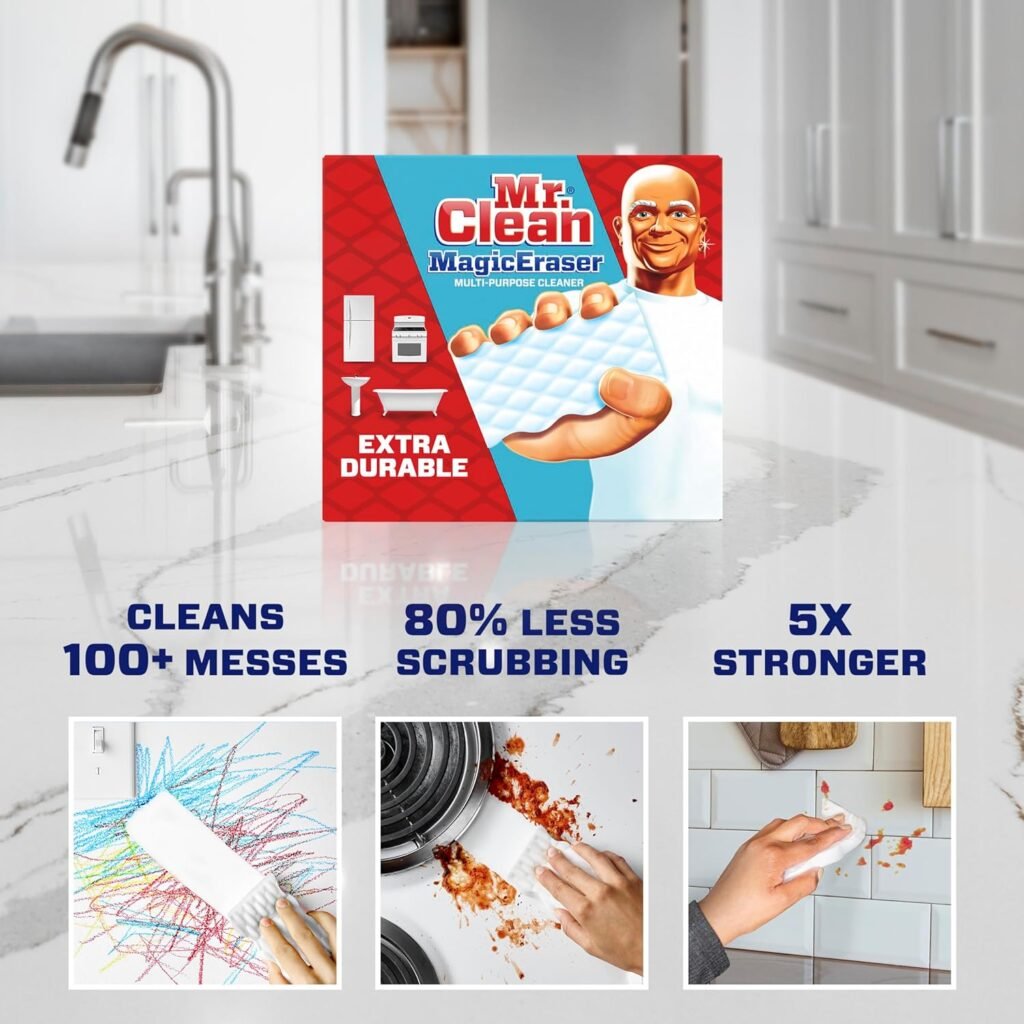
The melamine sponge—popularly known as the Magic Eraser—is my absolute first choice for this headache. These things are basically ultra-fine sandpaper. They work by physically lifting the blue pigment out of the microscopic pores of the plastic seat. It’s effective because most toilet seats aren’t actually smooth; they have a tiny bit of texture that loves to trap blue dye.
I’ve found that using the generic brand sponges is a total waste of money. They crumble into a million pieces the second you apply any real pressure. Spend the extra couple of bucks for the “Extra Durable” version. To use it correctly, get the sponge damp—not dripping—and rub in a circular motion. Don’t go full Hulk on it immediately, or you might scuff the glossy finish of the plastic.
The “Real Talk” here is that if your seat is made of cheap, painted wood rather than solid plastic, the Magic Eraser might take the paint right off along with the stain. I once “cleaned” a guest bathroom seat so hard I ended up with a patch of raw wood staring back at me. Test a tiny spot on the underside first. If the blue starts moving onto the sponge and the seat stays white, you’re in business.
After you’ve scrubbed the blue away, rinse the area with plain water. You don’t want those tiny abrasive particles sitting on the seat, because they’ll catch even more dirt and grime later on. This is usually a two-minute fix for fresh stains, but if the blue has been sitting there since the Bush administration, you might need something stronger.
2. Baking Soda and Vinegar Paste
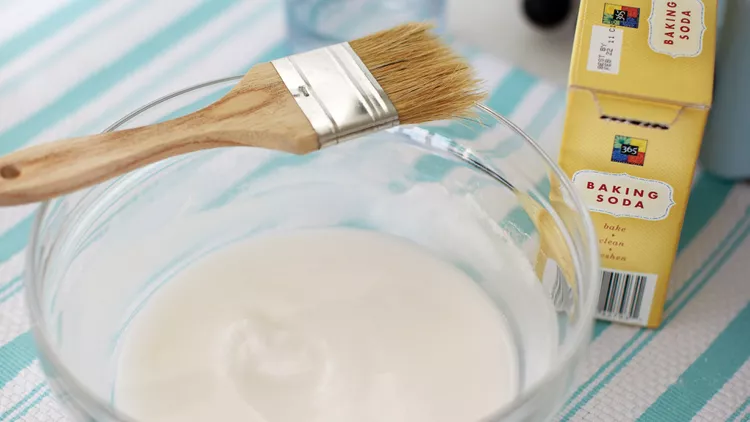
If the abrasive sponge didn’t do the trick, it’s time to raid the kitchen pantry. Baking soda is a mild abrasive, and vinegar is a weak acid that helps break down the chemicals in the dye. When you mix them, they fizz up, which helps lift the stain to the surface. It’s the classic “volcano” experiment, but for your toilet seat.
I’ve found that just pouring vinegar on the stain is a total waste of time. It just runs off into the bowl before it can do any work. You need to make a thick paste—think the consistency of toothpaste. Smear it over the blue stain and let it sit for at least twenty minutes. I once let a paste sit for an hour while I went to go find my lost 10mm wrench, and when I came back, the stain wiped off like it was never there.
Use a soft-bristled toothbrush to scrub the paste into the stain. Don’t use a wire brush or a heavy-duty scouring pad, unless you want your toilet seat to look like it was attacked by a cat. The goal is to let the chemistry do the heavy lifting, not your biceps. If the paste starts to dry out, just spritz it with a little more vinegar to keep the reaction going.
Once you’re done, wipe it clean with a damp cloth. This method is great because it’s non-toxic. If you have kids or pets who are constantly leaning on the toilet (don’t ask why they do it, they just do), you don’t have to worry about harsh chemical residue. It’s cheap, it’s safe, and it smells a whole lot better than most industrial cleaners.
3. Rubbing Alcohol or Hand Sanitizer
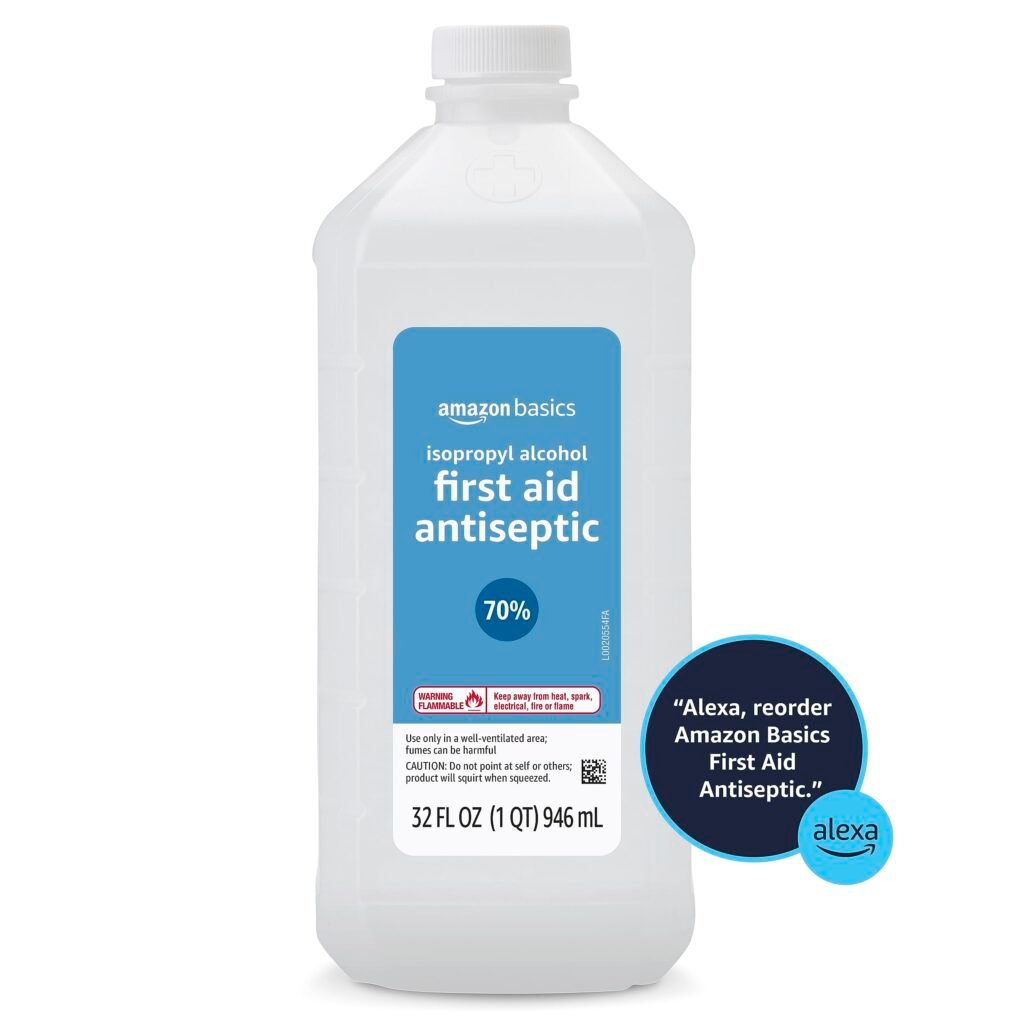
Since the blue in toilet cleaner is a dye, an alcohol-based solvent can often break it down. Think about it like trying to get permanent marker off a dry-erase board. High-percentage rubbing alcohol (70% or higher) is a fantastic solvent that can get deep into the plastic to dissolve the blue pigment.
I’ve found that using “natural” hand sanitizers with low alcohol content is a total waste of effort. You need the strong stuff. Soak a cotton ball or a paper towel in rubbing alcohol and press it firmly against the stain. Hold it there for about sixty seconds to let the alcohol penetrate the dye. You’ll usually see the blue start to bleed onto the cotton ball almost immediately.
This method works wonders for those “splatter” stains—the tiny blue dots that happen when you’re being a bit too aggressive with the toilet brush. Just a quick dab with an alcohol wipe and they usually vanish. However, be careful not to get alcohol on any metal hinges. It can sometimes react with the plating and cause premature rusting or pitting.
If the alcohol makes the plastic look a bit dull or “cloudy” afterward, don’t panic. Usually, a quick wipe with a little bit of dish soap and water will restore the shine. Alcohol can be drying to some types of plastic, so don’t leave it soaking for hours. A quick “hit and run” is all you need for the blue stuff to disappear.
4. Hydrogen Peroxide for Stubborn Blue Dye
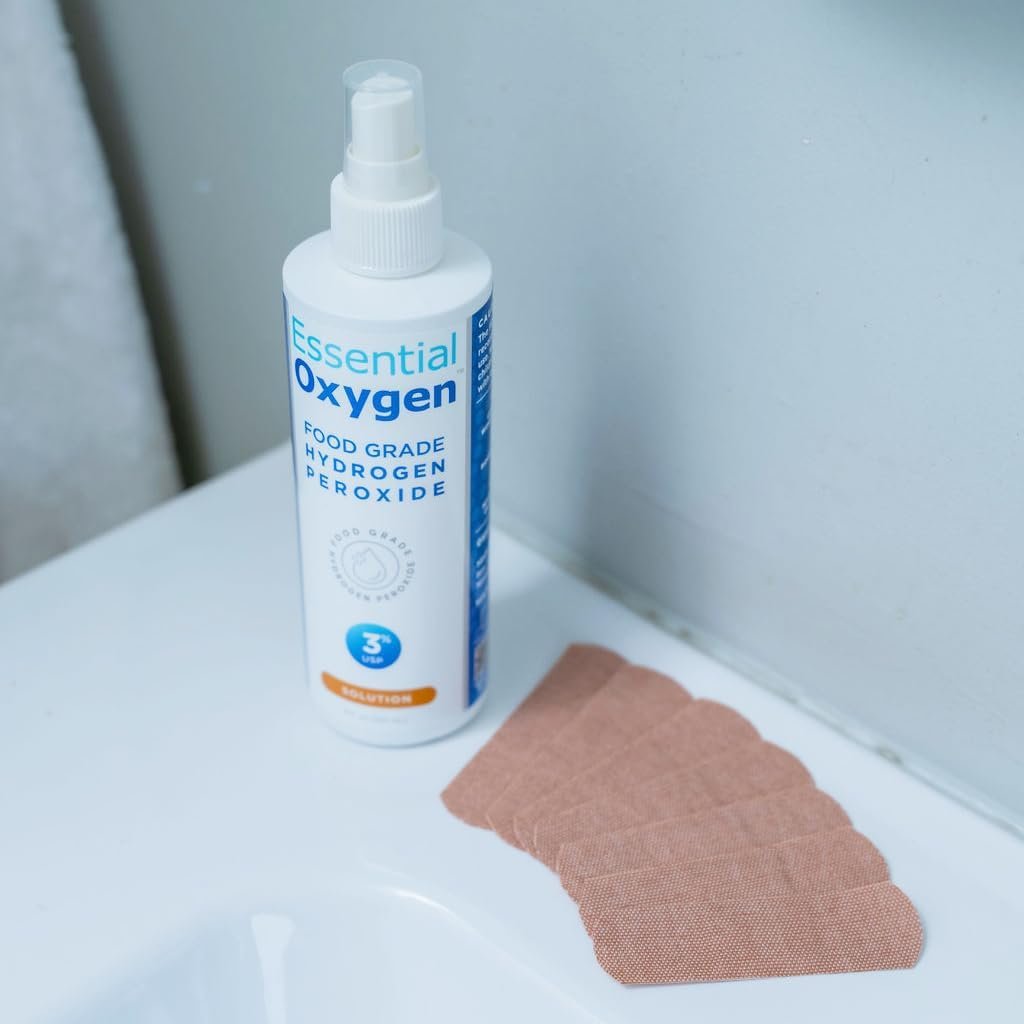
Hydrogen peroxide is a mild bleaching agent that works differently than chlorine bleach. It’s great for organic stains, but it’s surprisingly effective at “decolorizing” the dyes found in toilet cleaners. It’s also much easier on your lungs than the heavy fumes you get from a bottle of Clorox.
I’ve found that the 3% peroxide you find in the brown bottle at the drugstore is okay, but for a really tough blue stain, you want the 6% or 12% “cream developer” from a beauty supply store. It’s thicker, so it stays on the stain instead of running off. I once used this to get hair dye off a bathroom counter, and it worked so well I started using it for toilet seat disasters too.
To use the liquid version, soak a paper towel in peroxide and lay it flat over the stain. Cover the paper towel with a piece of plastic wrap to keep the peroxide from evaporating. Let it sit for about thirty minutes. If you’re lucky, you’ll lift the plastic and find the blue has simply faded into nothingness. It’s like a magic trick for people who hate cleaning.
Rinse the seat thoroughly after using peroxide. While it’s generally safe, it can be irritating to skin if someone sits down right after you’re done. This is my “secret weapon” for seats that have been stained for a few days. It’s more effective than vinegar but less terrifying than some of the professional-grade chemicals.
5. Acetone or Nail Polish Remover
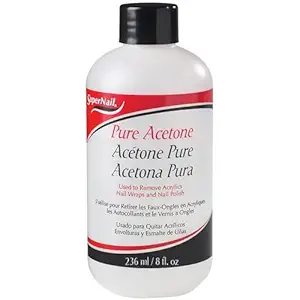
We are moving into the “nuclear” options now. Acetone is a very powerful solvent that will dissolve almost anything, including the blue dye. However, it will also dissolve certain types of plastic. This is the “high risk, high reward” method of toilet seat cleaning.
I’ve found that using “non-acetone” nail polish remover is a total waste of money for this job. It’s just not strong enough to move the dye. You need 100% pure acetone. Apply a tiny amount to a cotton swab and touch it to a hidden part of the seat first. If the plastic starts to get sticky or the color of the seat itself comes off on the swab, stop immediately. You have a seat made of a material that acetone will ruin.
If your seat passes the “stickiness test,” you can use the acetone to wipe away the blue stain. It will work incredibly fast. I mean, the blue will be gone in seconds. But you have to be fast, too. Wipe it on, then immediately wipe it off with a soapy rag to neutralize the solvent. If you leave acetone on plastic for too long, it will “melt” the top layer and leave you with a permanent, dull footprint.
I’ve used this to save a high-end, $100 slow-close toilet seat that I thought was ruined by a massive blue spill. It worked, but my heart was pounding the whole time. Only use this if you are prepared to buy a new seat if things go sideways. It’s the “last resort” before you head to the hardware store.
6. Professional Grade Degreasers
Sometimes the blue stain isn’t just dye; it’s bound to the seat by oils and grime that have built up over time. In this case, an industrial degreaser like “Purple Power” or “Krud Kutter” can break the bond. These are designed to eat through grease on car engines, so a little blue dye is nothing to them.
I’ve found that diluting these cleaners per the bottle’s instructions is often a waste of time for tough stains. For a stained toilet seat, I use them at full strength. Spray it directly on the blue spot and let it sit for five minutes. You’ll see the blue start to “liquify” and run down the seat. Wear gloves! This stuff will turn your cuticles into a mess if you aren’t careful.
Use a nylon scrub brush to work the degreaser into the grain of the plastic. This is especially helpful for older seats that have developed fine “crazing” or tiny cracks where the dye likes to hide. I once revived an old apartment toilet seat using a degreaser and an old scrub brush, and my landlord actually asked if I’d replaced the seat.
Always rinse multiple times with clean water. Degreasers leave a slippery, chemical film that you definitely don’t want on your skin. These cleaners are powerful, but they don’t have the “bleach” smell that lingers for days. They’re a solid middle-ground option for when the “natural” stuff fails.
Real Talk: When to Give Up and Buy a New Seat
I’m all about DIY and saving money, but sometimes you have to know when to call it. If you’ve tried three of the methods above and that blue stain is still staring at you, the dye has likely bonded with the plastic on a molecular level. This happens most often with the cheap, “soft” plastic seats or the padded, vinyl ones. Once the dye is in there, it’s in there.
I’ve found that trying to “paint” a toilet seat is a total waste of time and energy. I’ve seen people on Pinterest try to spray paint their seats to hide stains or change colors. Don’t do it. Within a week, the paint will start to peel, and it will feel like you’re sitting on sandpaper. Plus, the chemicals in the paint aren’t exactly meant for that kind of skin contact. It’s a disaster waiting to happen.
If your seat is more than five years old and it’s stained, just go to the home center and spend the $20 to $40 on a new one. Get a solid, “slow-close” plastic seat. They are much harder to stain, they don’t slam and wake up the whole house at 2 AM, and they are much easier to clean. I once spent four hours trying to save a $15 seat, and afterward, I realized my time was worth way more than the cost of a replacement.
Also, a quick side note on those “in-tank” blue tablets: they are the primary cause of these stains, and they also eat away at the rubber seals inside your tank. I’ve made a lot of money fixing leaky toilets caused by those little blue pucks. They are a total waste of money and a headache for your plumbing. Ditch the tablets and just use a liquid cleaner once a week—it’ll save your seat and your sanity.
The Bottom Line!
Getting a blue stain off a toilet seat isn’t the most glamorous DIY project, but it sure beats explaining to your mother-in-law why your bathroom looks like a science experiment gone wrong. Start with the gentlest method—the Magic Eraser—and work your way up to the stronger solvents. Most of the time, you can fix the problem for less than five bucks.
What’s the most embarrassing cleaning disaster you’ve ever had to fix before guests arrived? Or do you have a secret “voodoo” cleaning method that I missed? Let me know in the comments—I’m always looking for new ways to save my house from my own mistakes!