
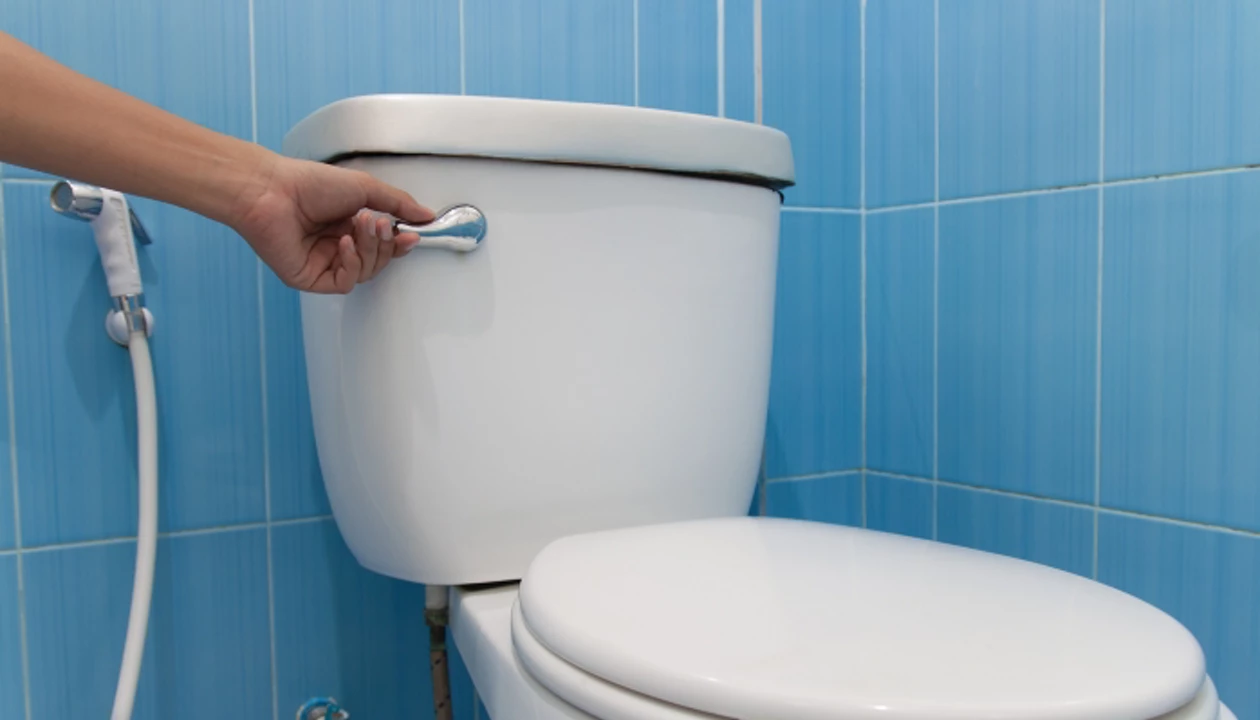
That soul-crushing silence after you flip the handle is a sound every homeowner dreads. You’re standing there, waiting for the familiar rush of water to reset the stage for the next round, but nothing happens. Maybe it’s a slow hiss that takes forty minutes to fill the tank, or maybe it’s just total, eerie stillness. Either way, you’re staring at a dry porcelain box and wondering if you’re about to pay a plumber $200 just to turn a valve.
I’ve been there. In fact, back in 2014, I spent three days bucket-filling my primary bathroom toilet because I was too stubborn to admit I didn’t know why the tank stayed empty. I thought I’d “upgraded” the guts of the thing, but I’d actually installed the fill valve upside down (don’t ask me how; I’m still embarrassed). I want to make sure you don’t end up hauling buckets of water from the kitchen sink like you’re living in a 19th-century farmhouse.
Fixing a toilet tank that won’t fill is usually a 20-minute job that requires zero specialized tools. Most of the time, it’s a hardware failure inside the tank or a clogged line. We’re going to walk through the most likely culprits so you can get back to your life without the “out of order” sign on the bathroom door.
Check the Toilet Water Supply Valve First
Before you start ripping out the innards of your toilet, check the wall. It sounds insulting, I know, but you’d be shocked how often a “broken” toilet is just a closed valve. Maybe a kid was playing back there, or perhaps you bumped it while cleaning the baseboards. The shut-off valve is that small, football-shaped handle located on the pipe coming out of your wall or floor.
I once spent an hour diagnosing a “faulty” fill valve at my sister’s house, only to realize her toddler had “helped” by turning the knob all the way to the right. To ensure water is flowing, turn that handle counter-clockwise until it stops. If it’s a quarter-turn valve, make sure the handle is parallel to the pipe. If the valve is open but no water is moving, the valve itself might be “frozen” or clogged with mineral deposits.
If you have hard water, those old multi-turn valves are notorious for failing internally. The washer inside can degrade and crumble, effectively plugging the pipe from the inside out. If you turn the handle and it feels “mushy” or spins without resistance, you’ve found your ghost. You’ll need to shut off the main water to the house to replace that specific piece of hardware.
Don’t ignore the supply line—the flexible braided hose connecting the valve to the tank. These can occasionally kink or get blocked by sediment. If you’ve recently had work done on your city’s water mains, a chunk of rust might have traveled through the pipes and lodged itself right at the entrance of your toilet. It’s a cheap, $10 part to replace, and it’s always worth having a spare in the garage.
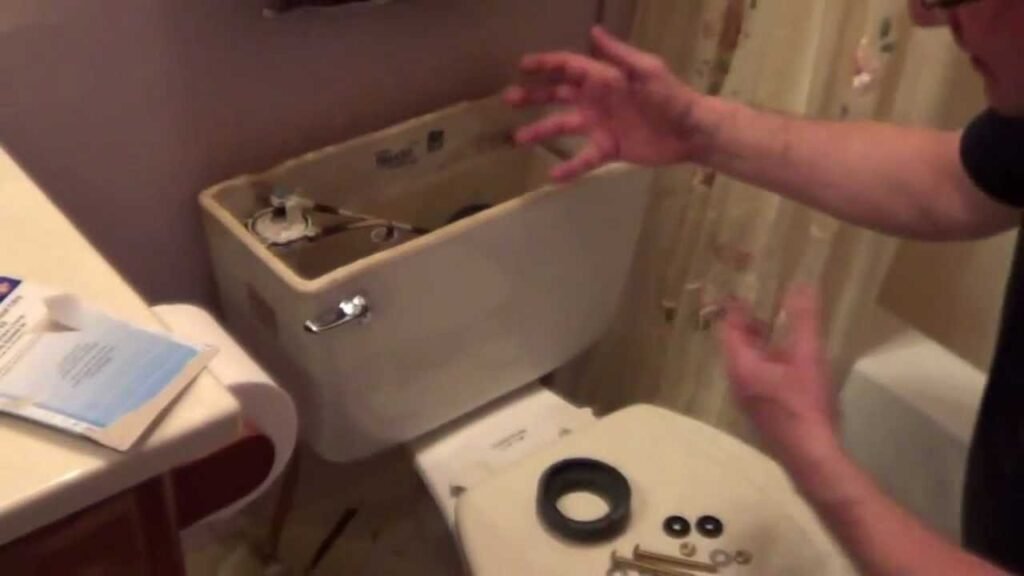
Troubleshooting a Clogged Toilet Fill Valve
The fill valve is the tall tower on the left side of your tank. Its job is to let water in and shut it off once it reaches the right level. If your tank isn’t filling, this is the most likely suspect. Over time, grit, sand, and calcium buildup can get stuck in the tiny aperture where the water enters the valve. It doesn’t take much—a grain of sand can be enough to kill the flow.
I’m a huge fan of the “flush the valve” trick before buying a new one. You can actually take the top cap off most modern fill valves (like Fluidmaster models) by pushing down and twisting. Once the cap is off, hold a plastic cup over the open top of the valve and slowly turn on the water supply. This will blast any debris out of the top. I did this once and watched a pebble the size of a pea fly out.
If the valve is ancient and covered in a thick layer of crusty white “scales,” just bin it. I’ve found that trying to soak an old fill valve in vinegar to save $15 is a total waste of money. The plastic becomes brittle over time, and the internal seals lose their elasticity. A new, high-quality fill valve is a DIY rite of passage, and it’s one of the most satisfying “quick wins” you can have in home maintenance.
When you install the new one, make sure the “critical level” mark on the valve is at least an inch above the top of the overflow tube. If you set it too low, you’ll have a weak flush; too high, and you’ll have water constantly draining into the overflow. It’s a balancing act, but most valves have a simple twist-to-adjust height mechanism that makes it dummy-proof.
Adjusting the Toilet Float Ball or Cup
The float is the “brain” of the toilet. It tells the valve when the tank is full. If the float is stuck in the “up” position, the valve thinks the tank is full of water and won’t release a drop. This happens more often than you’d think, especially if the float is rubbing against the side of the tank or the flapper chain.
In the old days, we had those big copper or plastic balls on the end of a long metal rod. If that rod gets bent, the ball might hit the back of the tank and get stuck. I’ve seen people try to “fix” this by taping weights to the rod—don’t do that. Just gently bend the rod back so the ball has clear travel, or better yet, upgrade to a modern vertical float cup.
The modern “cup” floats slide up and down the body of the fill valve. These are much more reliable, but they can still get jammed by mineral buildup. If you poke the float and it suddenly drops, followed by the sound of rushing water, you’ve found your problem. You can usually clean the “neck” of the valve with a damp cloth to remove any friction-causing grit.
One quick side note: check your water pressure. If your home’s pressure is too high, it can actually pin the fill valve shut, making it hard for the float to drop. If you hear a “thump” (water hammer) when the toilet stops filling, your pressure might be the hidden villain behind your filling issues.
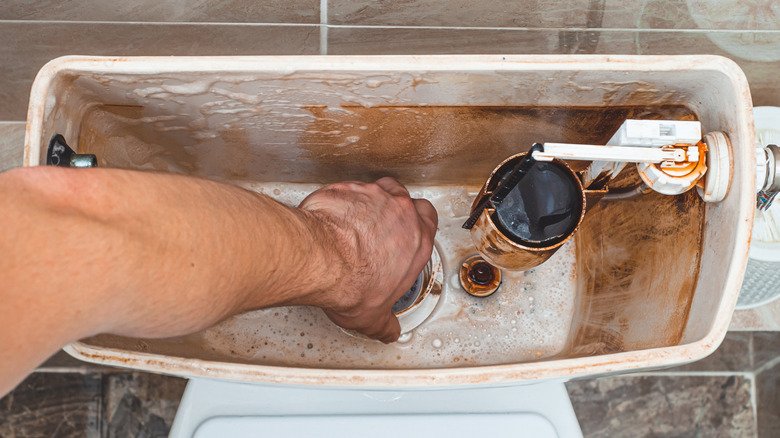
Inspecting the Toilet Flapper and Chain
If water is entering the tank but it’s leaving just as fast, the tank will never actually “fill.” This is usually due to a warped flapper or a chain that’s caught under the seal. I call this the “leaky bucket” syndrome. You might hear the water running constantly, or you might see ripples in the bowl while the tank stays perpetually half-empty.
I once spent a whole afternoon wondering why a tank wouldn’t fill, only to realize the chain was one link too long. It was getting caught under the rubber flapper every time it closed, creating a tiny gap. That tiny gap was enough to let water escape at the same rate it was coming in. It’s a maddeningly simple fix—just move the clip on the chain so there’s about a half-inch of slack.
Flappers are made of rubber, and rubber hates chlorine. If you use those “drop-in” bleach tablets in your tank, you are effectively melting your flapper. I’ve seen flappers turn into a gooey, black mess that stains your hands and refuses to seal. If yours looks wavy or feels slimy, replace it immediately. It’s a $5 part that can save you $50 on your monthly water bill.
When you buy a new flapper, make sure it matches your flush valve size. Most toilets use a 2-inch flapper, but many newer “high-efficiency” models use a 3-inch version. I’ve made the mistake of buying the “universal” 2-inch flapper for a 3-inch hole, and let me tell you, it doesn’t work. It’s like trying to plug a wine bottle with a Cheeto.
Real Talk: When to Stop Tinkering
I’m all for DIY, but sometimes you have to know when to call it. If you’ve replaced the fill valve, the supply line, and the flapper, and the tank still won’t fill, you might have a crack in the porcelain or a serious blockage in the main stack. Porcelain is fragile. If you over-tighten the bolts on the bottom of the tank while trying to fix a leak, you can crack the tank. Once that happens, the toilet is garbage. Do not try to epoxy a cracked toilet tank; it’s a ticking time bomb that will eventually flood your house.
Also, if you have a “pressure-assisted” toilet (the ones that sound like a jet engine taking off), do not try to take that black pressure vessel apart. Those things are under serious tension and can actually be dangerous if you don’t know what you’re doing. If a pressure-tank toilet won’t fill, you usually have to replace the entire cartridge or the whole inner unit.
Lastly, if your water is off because of a “dry” well or a city main break, no amount of fiddling with the toilet is going to help. I once spent twenty minutes “fixing” a toilet before realizing the neighbor’s contractor had hit a water line down the street and the whole block was dry. Check the kitchen sink first!
Parting Wisdom
The secret to a perfect toilet is simplicity. Don’t over-complicate the hardware. Stick to name-brand replacement parts, avoid the bleach tablets that eat your seals, and always—always—hand-tighten your plastic nuts. Using a wrench on plastic toilet parts is the fastest way to end up at the hardware store a second time.
What’s the weirdest thing you’ve ever found inside a toilet tank? I once found a plastic dinosaur that my nephew “hid” in there! Drop your stories or any questions you have in the comment box below—I’d love to help you troubleshoot your specific porcelain nightmare.