Low water pressure can make everyday tasks frustrating, especially when a well system, reverse osmosis unit, or municipal supply cannot deliver water consistently. The right storage container can provide a reserve, smooth demand spikes, or help an existing pressure system work more reliably.
This roundup compares compact RO tanks, pre-pressurized well tanks, stackable emergency containers, and collapsible bladders so you can match capacity, pressure support, installation needs, and available space to your household.
Best 10 Water Storage Containers for Low Water Pressure Picks for 2026
Best for Whole-Home Pressure Support
20-Gallon Vertical Well Pressure Tank

- Helps reduce well-pump cycling
- Carbon-steel tank with 1-inch NPT connector
- Not for drinking water; relief valve required
Best For: Fixed well, farm, and irrigation systems needing steadier pressure
Best Portable Reserve
63.4-Gallon Collapsible Water Bladder

- Folds compactly when empty
- Durable welded PVC construction
- For non-potable outdoor water storage
Best For: RV, camping, irrigation, and emergency water reserves
Best Stackable Emergency Tank
55-Gallon Stackable Utility Water Tank
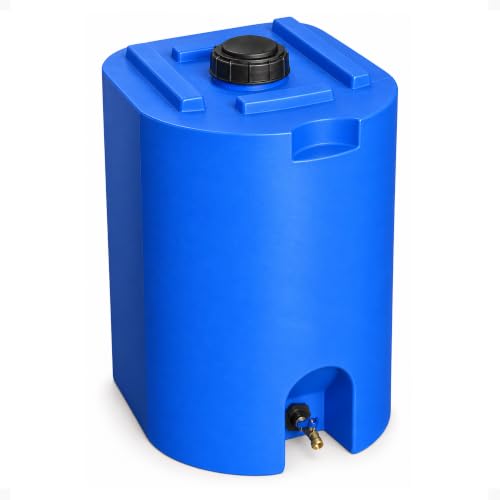
- Large 55-gallon storage capacity
- UV-proof HDPE-style plastic construction
- Spigot and stackable design
Best For: Emergency, camping, and space-conscious utility storage
Best Under-Sink RO Option
3.2-Gallon Pressurized Water Tank
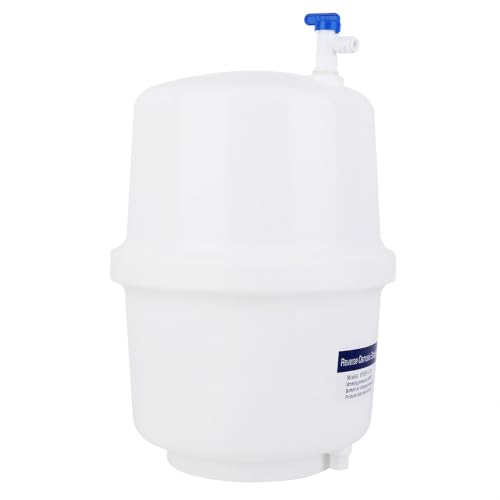
- Made for under-sink RO systems
- Compact 3.2-gallon pressurized design
- Includes air valve core and stated warranty
Best For: Home or commercial reverse-osmosis filtration setups
High-Capacity Pick
VEVOR 87.2-Gallon Water Storage Bladder

- 87.2-gallon collapsible PVC bladder
- 1000D double-layer construction
- Includes fittings and repair kit
Best For: Large-scale irrigation, RV, and emergency storage
Under-Sink Pressure Pick
iSpring T55M 5.5-Gallon RO Tank

- Pre-pressurized at 7–10 psi
- Food-grade butyl diaphragm
- Vertical or horizontal installation
Best For: Residential under-sink RO systems
Portable Mid-Size Pick
Rodelna 65-Gallon Water Storage Bladder

- 65-gallon foldable water bladder
- 1000D PVC with reinforced seams
- 3/4-inch stainless steel spigot
Best For: Camping, gardening, rainwater, and emergency storage
High-Flow RO Upgrade

- 14-gallon RO tank holds up to 10.7 gallons
- Larger 3/4-inch connection supports faster flow
- Works vertically or horizontally with a stand
Best For: Increasing RO reserve capacity and faucet delivery
Preparedness Reserve
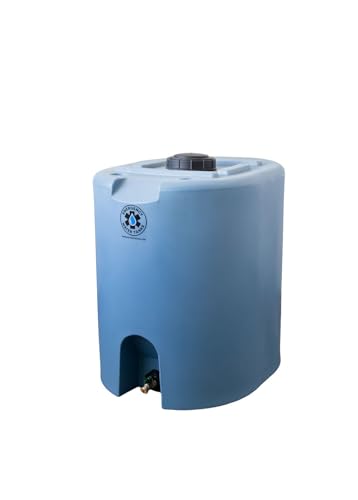
- Stores 55 gallons for emergency water reserves
- Stackable design saves floor space
- Spigot and wide lid support easy use and cleaning
Best For: Long-term household emergency water storage
Compact Under-Sink Option

- Stores up to 3.2 gallons of filtered water
- Compact size fits beneath most kitchen sinks
- Steel construction supports everyday durability
Best For: Space-conscious under-sink RO installations
Best for Whole-Home Pressure Support – 20-Gallon Vertical Well Pressure Tank
For shoppers comparing water storage containers for low water pressure, the VEVOR 20-gallon vertical pressure tank is designed to reduce well-pump cycling and help maintain steadier household water flow. Its carbon-steel construction and 1-inch NPT connection suit fixed well, irrigation, and utility installations.
Best For: Homes, farms, schools, and irrigation systems using a well pump that need added pressure stability.
Pros:
- 20-gallon capacity can reduce pump start-stop frequency.
- Pre-charged to 2 BAR and rated for up to 6 BAR internal pressure.
- Thickened carbon-steel construction with a 1-inch NPT connector.
Cons:
- Not suitable for drinking water.
- Not frost-proof.
- Requires a proper relief valve, which is not included.
This is a strong fit when low pressure is connected to well-system cycling rather than simply needing a portable water reserve. Installation should account for the tank’s vertical footprint and required pressure-safety components.
Best Portable Reserve – 63.4-Gallon Collapsible Water Bladder
The 240-liter collapsible bladder is a practical option among water storage containers for low water pressure when you need a flexible, non-potable reserve for outdoor or off-grid use. It folds for storage and connects to common hoses for filling and draining.
Best For: RVs, camping, rainwater collection, garden irrigation, farms, construction, and emergency non-drinking-water storage.
Pros:
- 63.4-gallon capacity with a lightweight, foldable design.
- Heavy-duty PVC mesh fabric with welded, reinforced seams.
- Includes standard inlet and outlet connections, a valve, adapter, and PTFE tape.
Cons:
- For non-potable water only.
- Should not be lifted or moved when full.
- Must be protected from sharp objects, chemicals, alcohol, and overfilling.
This bladder offers substantial reserve capacity without the permanence of a rigid tank. It is better for storing and supplying water near the point of use than for directly correcting household plumbing pressure.
Best Stackable Emergency Tank – 55-Gallon Stackable Utility Water Tank
For buyers seeking water storage containers for low water pressure, the WaterPrepared 55-gallon tank provides a large stationary reserve that can support emergency and utility needs. Its UV-proof plastic body, integrated spigot, and stackable shape make it useful where storage space and easy dispensing matter.
Best For: Emergency preparedness, camping, road trips, and utility water storage where a rigid, stackable tank is preferred.
Pros:
- 55-gallon capacity for substantial water storage.
- UV-proof plastic is designed to help prevent bacteria buildup.
- Integrated spigot connects to standard garden hoses.
- Stackable design helps use storage space efficiently.
Cons:
- This is a storage tank, not a pressurized well-system tank.
- Its rigid construction requires dedicated floor space.
- Product dimensions vary in the supplied listing details, so verify fit before purchase.
This tank is most useful as a backup supply rather than a direct solution for low household pressure. Choose it when reserve volume, stackability, and hose-compatible dispensing are more important than automatic pressure boosting.
Best Under-Sink RO Option – 3.2-Gallon Pressurized Water Tank
The 3.2-gallon pressurized tank is a compact choice among water storage containers for low water pressure when the issue involves an under-sink reverse-osmosis system. Its pressurized design stores treated water for on-demand use in home or commercial RO installations.
Best For: Under-sink reverse-osmosis filtration systems that need a compatible 3.2-gallon storage tank.
Pros:
- Compact 3.2-gallon capacity for under-sink installation.
- Designed for reverse-osmosis water purification systems.
- Includes an imported air valve core intended to reduce air leakage.
- Backed by a stated one-year guarantee and 30-day money-back period.
Cons:
- Its small capacity is not intended for whole-house water storage.
- Compatibility should be confirmed with the existing RO fittings and ball valve.
- Material details are limited in the supplied listing.
This tank makes sense for point-of-use RO systems, where a pressurized reserve can improve access to filtered water. It is not a substitute for a well pressure tank or a large emergency storage container.
High-Capacity Pick – VEVOR 87.2-Gallon Water Storage Bladder
For shoppers comparing water storage containers for low water pressure, the VEVOR bladder offers a large, flexible reserve that can connect to a faucet or garden hose. Its 87.2-gallon capacity suits irrigation, RV supply, and emergency storage, while the collapsible design saves space when empty.
Best For: High-volume outdoor, RV, irrigation, and emergency water storage.
Pros:
- Holds up to 87.2 gallons in a flexible, foldable form.
- Double-layer 1000D PVC construction and heat-sealed seams support durability.
- Includes pre-installed inlet and outlet fittings, sealing rings, tape, and a repair kit.
- Four reinforced carry loops help with placement and transport.
Cons:
- Its large filled size makes it impractical to move after filling.
- It is much larger than an under-sink or compact household tank.
This is a strong choice when capacity and portability while empty matter more than a rigid container. The included fittings make setup straightforward, but buyers should plan the placement before filling.
Under-Sink Pressure Pick – iSpring T55M 5.5-Gallon RO Tank
For water storage containers for low water pressure in a reverse osmosis setup, the iSpring T55M is a compact pre-pressurized tank designed to store treated water under the sink. Its 5.5-gallon capacity and included ball valve make it a focused solution for residential RO systems.
Best For: Under-sink reverse osmosis systems needing a pre-pressurized storage tank.
Pros:
- Pre-pressurized between 7 and 10 psi for common use.
- Food-grade butyl diaphragm provides a tasteless, odorless water chamber.
- Can discharge in either vertical or horizontal positions.
- Includes a stainless steel 1/4-inch NPT valve and ball valve.
Cons:
- Its 5.5-gallon capacity is limited compared with large outdoor bladders.
- Designed for RO water storage rather than general-purpose water holding.
- Specified operating temperature range is 40°F to 100°F.
This tank is the most targeted option of the three for low-pressure drinking-water support at an RO faucet. Its compact under-sink format and pre-pressurization make it better suited to point-of-use installation than emergency or outdoor storage.
Portable Mid-Size Pick – Rodelna 65-Gallon Water Storage Bladder
For buyers seeking water storage containers for low water pressure in outdoor or off-grid settings, the Rodelna bladder provides a sizable, foldable reserve with a simple spigot outlet. It is suited to camping, gardening, rainwater collection, and emergency use where fixed storage is unavailable.
Best For: Portable outdoor, garden, camping, rainwater, and emergency storage.
Pros:
- Stores up to 65 gallons while folding for transport and storage.
- Uses thick 1000D coated PVC mesh with reinforced welded seams.
- Includes a durable 3/4-inch stainless steel spigot and overflow kit.
- Lightweight at 2.24 kg when empty.
Cons:
- The manufacturer advises against moving it after filling.
- It should be protected from sharp objects, overfilling, and excessive squeezing.
- The notes specify that it is not intended for liquids such as diesel or alcohol.
This bladder balances useful capacity with easier empty storage than a rigid tank. It is a practical choice for planned placement outdoors, though its handling precautions make a stable, prepared location essential.
High-Flow RO Upgrade – APEC TANK-14
For water storage containers for low water pressure, the APEC TANK-14 is a practical upgrade for an undersized reverse osmosis setup. Its pre-pressurized 14-gallon capacity holds up to 10.7 gallons of water and is designed to improve faucet delivery pressure compared with smaller 4-gallon tanks.
Best For: RO users who need more stored water and improved delivery from a low-pressure setup.
Pros:
- 14-gallon capacity holds up to 10.7 gallons of water.
- Larger 3/4-inch male NPT connection supports faster refills and flow.
- Can discharge vertically or horizontally with the included tank stand.
- High-grade bladder is designed for durability and safe use.
Cons:
- Its 16-by-16-by-23-inch size may not fit every installation area.
- Designed for RO systems rather than general-purpose emergency storage.
Choose this model when your priority is stronger RO faucet delivery and substantially more reserve capacity. Confirm the available space and connection compatibility before upgrading.
Preparedness Reserve – 55-Gallon Stackable Tank
Among water storage containers for low water pressure, this 55-gallon tank is suited to storing a large reserve rather than pressurizing a plumbing line. Its stackable design and built-in spigot make it useful for homes preparing for outages, limited supply, or off-grid conditions.
Best For: Families needing long-term potable water storage for emergencies, camping, or off-grid use.
Pros:
- Stores 55 gallons, enough for a family of four for up to two weeks according to the supplied product information.
- Stackable shape helps conserve floor space in garages, basements, or sheds.
- Food-grade, BPA-free polyethylene is intended for long-term potable water storage.
- Five-inch twist lid and built-in brass spigot simplify filling, cleaning, and dispensing.
Cons:
- At 27.75 by 21.75 by 29.5 inches, it requires substantial storage space.
- It stores water but does not function as an RO pressure tank.
This is the better fit when low water pressure is part of a broader preparedness concern and you want a sizable, accessible reserve. Its 55-gallon capacity is excessive for compact under-sink applications.
Compact Under-Sink Option – TankRo RO132-TNK
The TankRo RO132-TNK is a compact choice for water storage containers for low water pressure in an under-sink reverse osmosis system. It stores up to 3.2 gallons of filtered water for on-demand use and is designed to fit beneath most kitchen sinks.
Best For: Smaller kitchens and standard RO systems that need a compact under-sink storage tank.
Pros:
- Compact 15-by-12-by-12-inch dimensions fit under most kitchen sinks.
- Stores up to 3.2 gallons for on-demand filtered drinking water.
- Durable deep-drawn steel construction uses precision welding.
- Compatible with most RO filtration systems and includes a one-year warranty.
Cons:
- Its usable capacity is much lower than the 14-gallon APEC model.
- Maximum listed flow rate is 0.8 gpm.
- As an under-sink RO tank, it is not intended for whole-home or emergency storage.
Select this tank when space is limited and you need a straightforward replacement or addition for an RO system. It is a compact storage solution, but users needing higher delivery volume may prefer a larger tank.
How We Picked the Best Water Storage Containers for Low Water Pressure
We organized these Water Storage Containers for Low Water Pressure by their intended use rather than treating every tank as interchangeable. The selection includes pressure tanks for well and RO systems, large stationary containers for emergency preparedness, and collapsible bladders for temporary or portable storage.
We focused on practical specifications buyers can verify before ordering: capacity, construction, portability, fittings, installation format, compatibility with pumps or filtration systems, and whether the container is intended for potable water. Product claims should always be checked against the manufacturer’s documentation, especially for drinking-water use and pressure ratings.
Quick Comparison
| Best For | Typical Option | Main Advantage |
|---|---|---|
| Well-system support | Pre-charged pressure tank | Helps reduce pump cycling and maintain usable pressure |
| Reverse osmosis | Small pressurized RO tank | Stores filtered water for faster dispensing |
| Emergency home storage | Stackable rigid tank | Efficient use of floor space and long-term organization |
| Portable or temporary storage | Collapsible water bladder | Folds down when empty and offers high capacity |
Key Buying Factors for Water Storage Containers for Low Water Pressure
Choose the Right Container Type
A storage tank does not automatically increase household water pressure. A pre-pressurized pressure tank works with a compatible pump and plumbing system, while an RO tank stores filtered water for delivery through a faucet. A bladder or utility tank mainly provides reserve capacity and may require a pump or elevated placement to create usable flow.
Match Capacity to Demand
Small RO tanks suit drinking and cooking water, while larger tanks are better for outages, well interruptions, or emergency reserves. Estimate daily consumption and leave room for safe handling; a full 55- or 87-gallon container can be extremely heavy and difficult to move.
Check Materials and Fittings
For potable water, look for clearly stated food-safe or drinking-water suitability. Confirm inlet and outlet sizes, valve style, hose compatibility, and pressure ratings before buying. Flexible PVC bladders need protection from sharp surfaces, sunlight, abrasion, and freezing temperatures.
Plan Installation and Maintenance
Measure doorways, closets, shelving, and service clearance. Pressure tanks may need correct air precharge and professional installation, while rigid emergency tanks need a stable, level surface. Inspect stored water, valves, seams, and connections according to the manufacturer’s schedule.
Who Should Buy Which Water Storage Containers for Low Water Pressure?
- Well owners: Choose a properly sized pre-charged pressure tank when the goal is to support pump operation and reduce pressure fluctuations.
- RO users: Select a compatible pressurized RO tank based on the filtration system, connection size, and available cabinet space.
- Emergency planners: Favor food-grade, stackable rigid containers that can be stored securely and rotated easily.
- Campers or temporary-storage users: Consider a collapsible bladder when portability and compact empty storage matter more than rigid protection.
- Large households: Prioritize capacity, safe placement, dispensing equipment, and a realistic plan for refilling or treating stored water.