
I’ve spent more Saturdays than I’d like to admit elbow-deep in greywater, trying to figure out why my “relaxing” bathroom felt more like a cramped broom closet. I’ve dropped a porcelain tile on my toe and once installed a vanity so close to the toilet that you had to sit sideways to close the door. We aren’t doing that today.
If you’re tired of bumping your elbows while brushing your teeth, you don’t need a sledgehammer and a second mortgage. You need smart, space-saving swaps that trick your brain into thinking you’re at a high-end retreat instead of a five-by-eight-foot box. Let’s get into the upgrades that are actually worth your time and money.
1. Ditch the Tub for a Walk-In Glass Shower
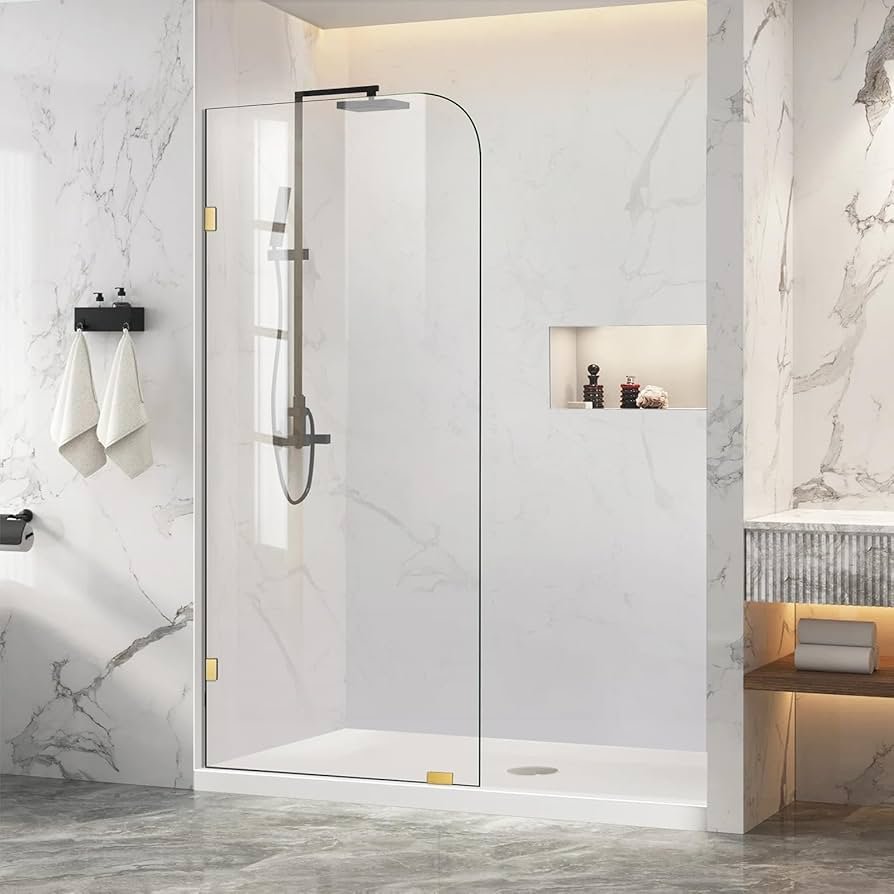
I know, I know. You think you’ll miss those Sunday night bubble baths. But let’s be honest: when was the last time you actually scrubbed that tub and sat in it for an hour? Most of us just use it as a glorified floor for our morning shower. Getting rid of the high tub wall and replacing it with a seamless glass walk-in shower is the single biggest “win” for a small bathroom.
When I swapped my old almond-colored tub for a frameless glass enclosure, the room felt like it doubled in size instantly. Glass doesn’t stop the eye; it lets the light travel all the way to the back wall. It’s the difference between looking at a wall and looking through a window.
If you’re worried about resale value, don’t be. Most modern buyers prefer a stunning, spacious walk-in shower over a cramped tub-shower combo. Just make sure you use a clear glass—frosted glass might hide the soap scum, but it also acts like a solid wall, which defeats the whole purpose of opening up the space.
For the floor of that shower, go with small mosaic tiles. Not only do they look like a fancy spa, but the extra grout lines provide much-needed traction so you don’t pull a cartoon slip-and-slide move on a Tuesday morning.
2. Floating Vanities are a Total Game Changer
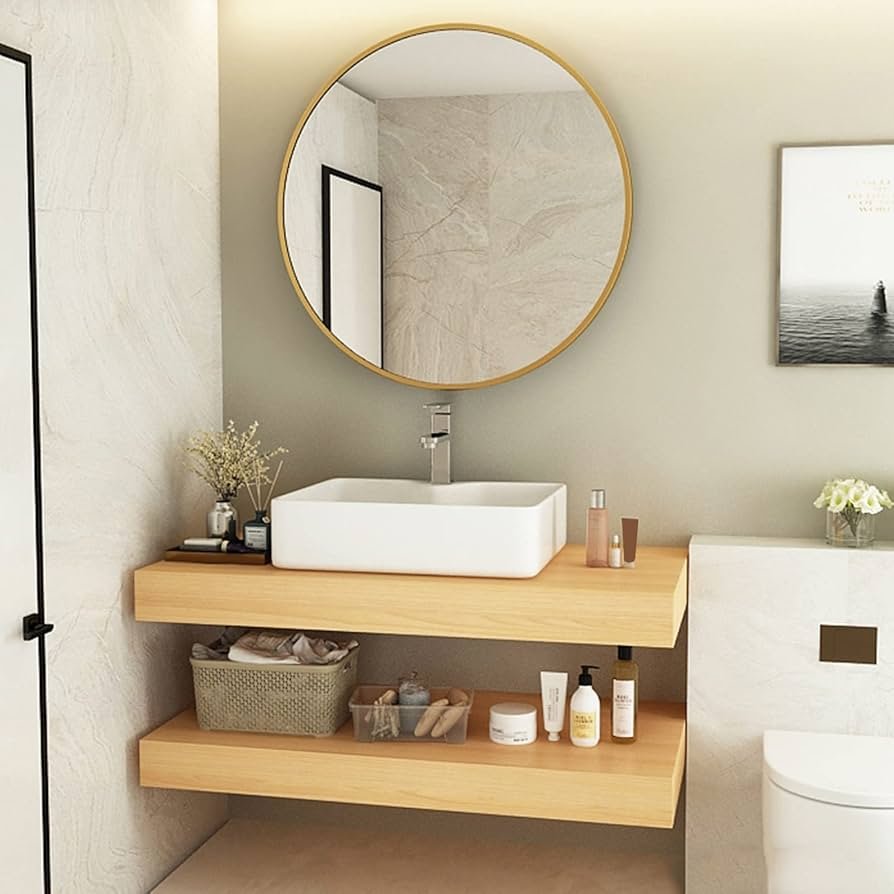
Standard vanities are basically big, heavy boxes that sit on your floor and eat up visual real estate. I call them “dust bunny bunkers” because you can’t see under them, and they make the floor look tiny. A floating vanity—one that bolts directly to the wall studs—leaves the floor visible all the way to the baseboard.
I installed a floating oak vanity in my guest bath last year, and it changed the entire vibe. When you can see the floor continuing under the cabinet, your brain registers the room as being larger. Plus, it’s a dream for cleaning. No more awkward corners where hair and dust go to die; you just run the vacuum right under it.
Storage is the usual concern here, but most floating units come with deep drawers rather than cabinets with doors. Drawers are infinitely better for bathroom organization. You can actually see your spare toothpaste and hair ties instead of losing them in the dark “abyss” at the back of a deep cabinet.
One quick warning: make sure your wall can handle the weight. I once saw a DIYer try to hang a heavy stone-top vanity on thin drywall without hitting the studs properly. It didn’t end well for the vanity or the plumbing. Secure it to the framing, and you’re golden.
3. Use Large Format Wall Tiles to Minimize Grout
There’s a weird myth that small rooms need small tiles. That is a lie. Using tiny tiles in a small bathroom creates a grid of a thousand grout lines. It looks busy, it feels cluttered, and—let’s be real—cleaning grout is the worst chore on the planet. I’d rather organize my junk drawer than scrub orange mildew out of tiny cracks.
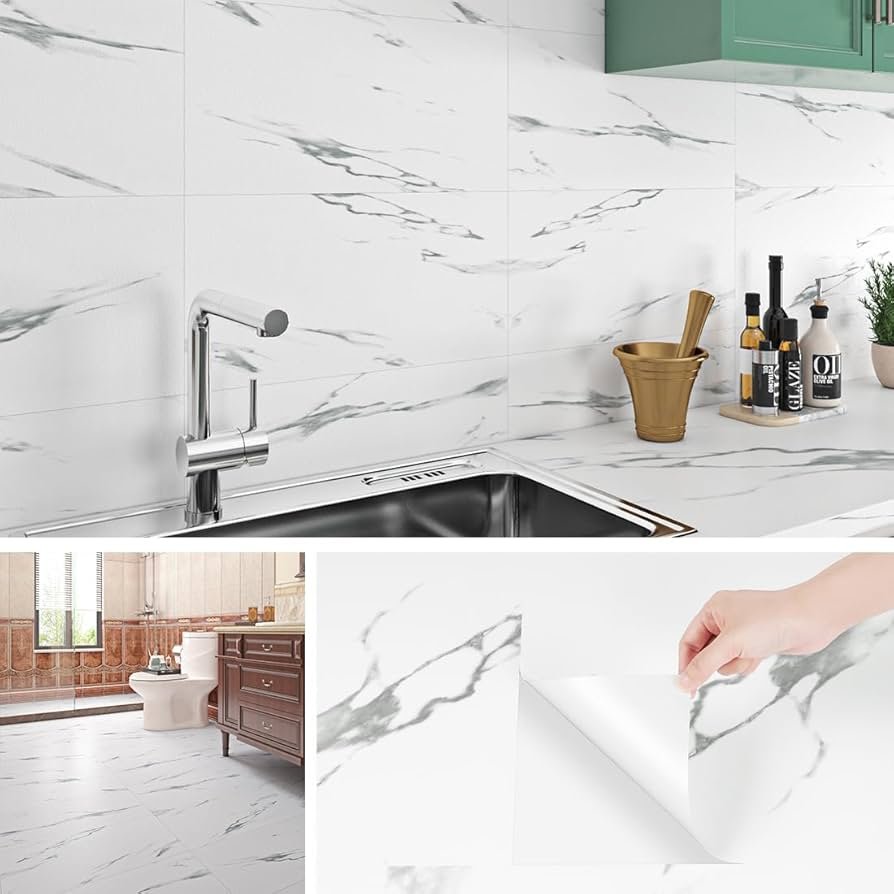
Go big. I’m talking 12×24 inch tiles or even larger. When you use large-format tiles on the walls, you have fewer breaks in the pattern. It creates a “continuous” look that stretches the walls. It’s a classic spa trick because it looks clean and expensive.
I used oversized marble-look porcelain tiles in my master bath, and it feels like a five-star hotel. Because there are fewer grout lines, the eye slides right over the surface. It makes the room feel calm rather than chaotic.
If you want to go the extra mile, match your grout color as closely as possible to the tile. If you have white tile, use white grout. If you have grey tile, use grey grout. You want those lines to disappear, not stand out like a crossword puzzle.
4. Recessed Medicine Cabinets for Hidden Storage
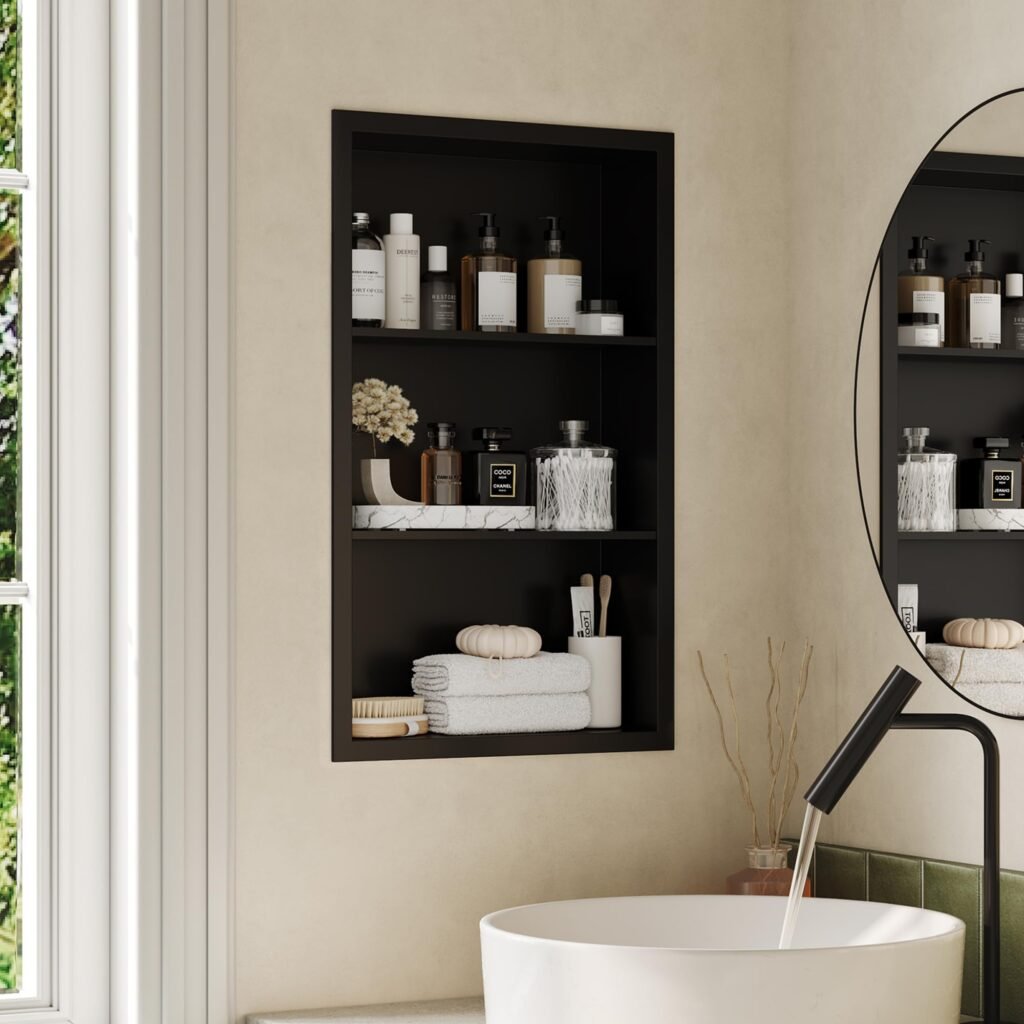
I’ve seen some pretty ugly surface-mount medicine cabinets in my time—the kind that stick out four inches from the wall and look like an afterthought. They are space-killers. Instead, cut into the drywall between the studs and “bury” the cabinet into the wall.
A recessed medicine cabinet gives you all the storage for your serums, meds, and toothbrushes without taking up any actual room. When the mirror is flush with the wall, it looks sleek and intentional. It’s the ultimate “hidden” spa feature.
I remember my first attempt at this. I didn’t check for electrical wires first and almost gave myself a permanent new hairstyle when the saw hit a line. Always use a stud finder and check what’s behind the wall before you start cutting.
Once it’s in, though, you’ll wonder why anyone does it any other way. You get a clean, minimalist look on the outside and a hyper-organized command center on the inside. It keeps the clutter off your vanity top, which is key because nothing kills a “spa vibe” faster than a pile of crumpled toothpaste tubes.
5. Install a Pocket Door or Barn Door
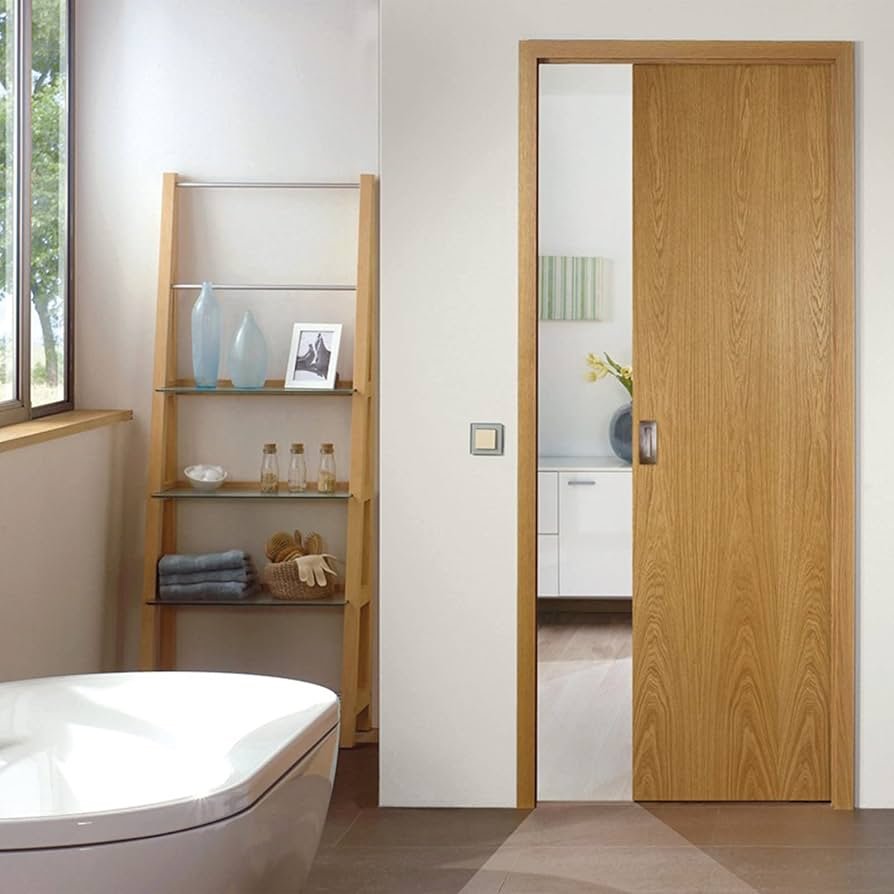
Traditional doors are greedy. They need a “swing radius” that usually ends up hitting the toilet or blocking the towel rack. In a small bathroom, that three-foot arc of wasted space is precious territory. I finally got fed up with my door hitting my knees while I was at the sink and swapped it for a pocket door.
A pocket door slides right into the wall, requiring zero floor space to operate. If you don’t want to tear into the wall to install a pocket frame, a sliding barn door on the outside of the bathroom works just as well. It’s stylish and keeps the interior of the bathroom completely open.
I’ll admit, the first time I installed a pocket door, I forgot to account for the light switch. I put the door in, then realized I’d covered the electrical box for the vanity lights. Don’t be like me. Plan your swing-free door around your outlets and switches.
This one change makes the room feel vastly more functional. You can actually stand in the bathroom and close the door without doing a weird little dance around the fixtures. It’s a small logistical shift that pays off every single day.
6. Skylights and Solatubes for Natural Light
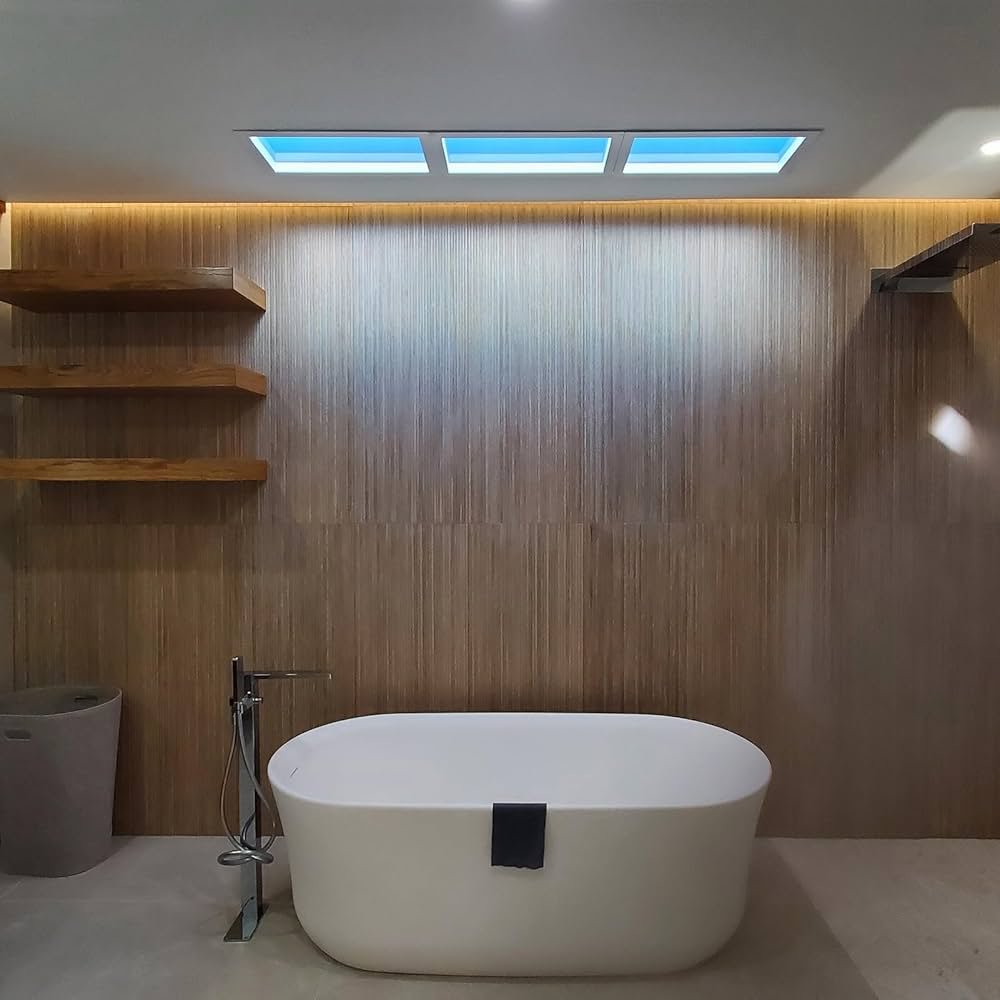
If your bathroom doesn’t have a window, it probably feels like a cave. Artificial light is fine, but nothing beats the sun for making a space feel airy. If you’re on the top floor, putting in a skylight or a “Solatube” (a reflective tube that channels sunlight from the roof) is a massive upgrade.
Natural light changes the way colors look. Your “spa blue” paint will actually look blue instead of muddy grey. Plus, plants love it. A bathroom with a bit of greenery feels alive and fresh, which is exactly the mood you want for a remodel.
I put a small Solatube in a windowless powder room years ago, and my guests kept trying to turn the “light” off when they left. They couldn’t believe it was just sunshine. It’s a relatively easy DIY if you’re comfortable on a ladder and doing a bit of roof flashing.
If you can’t go through the roof, look into “daylight” balanced LED bulbs. Stay away from the “soft white” bulbs that turn everything yellow. You want that crisp, bright morning light feel to keep the space from feeling claustrophobic.
7. Vertical Storage and Open Shelving
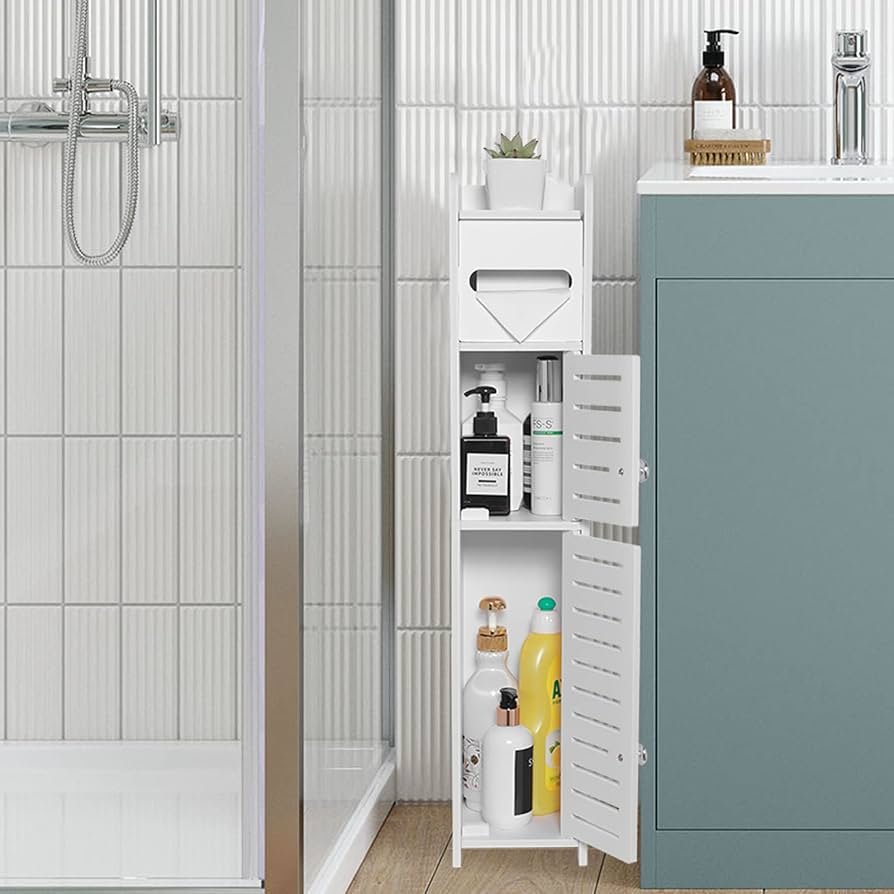
When you run out of floor space, look up. The wall space above the toilet is usually totally wasted. Instead of one of those rickety over-the-toilet metal racks (which always look a bit cheap), install some chunky wood floating shelves.
Open shelving allows you to display your “pretty” things—rolled-up white towels, a glass jar of bath salts, or a small succulent. It adds texture and warmth to the room without the bulk of a cabinet. Just don’t overstuff them, or they’ll start looking like a pantry.
I used reclaimed wood for my shelves to add some “soul” to an otherwise sterile white bathroom. It’s a great way to bring in natural elements, which is a staple of spa design. Wood, stone, and cotton are your best friends here.
Quick tip: Keep the stuff you actually use every day at eye level. The top shelf should be for things you only need occasionally, like extra rolls of TP or that fancy deep-conditioner you use once a month.
8. Monochrome Color Palettes for Visual Flow
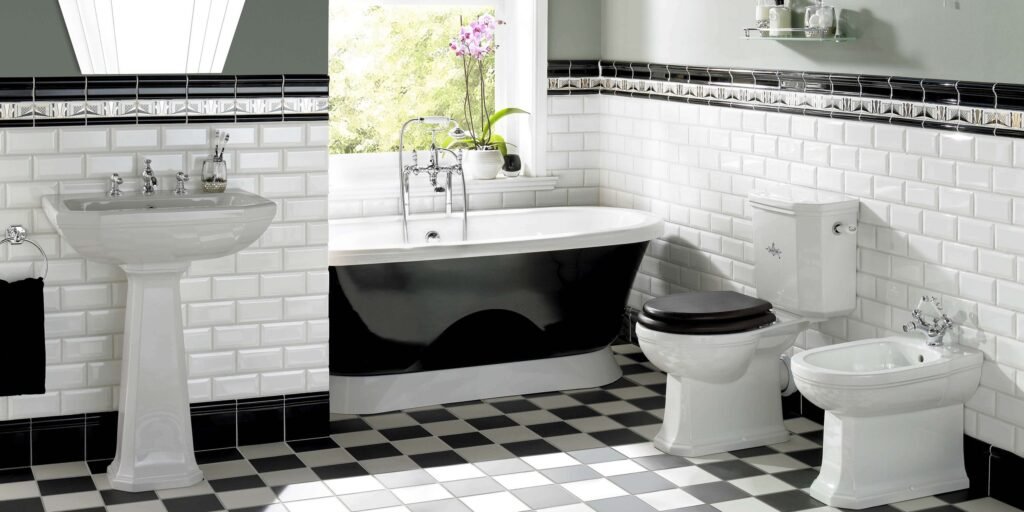
I used to think “pops of color” were the way to go. I’d have navy towels, a rug with a pattern, and maybe a bright shower curtain. In a small room, that just creates a lot of “visual noise.” Your eyes jump from one color to the next, which makes the room feel choppy and small.
A monochrome palette—using different shades of the same color—is much more relaxing. Think soft greys, creamy whites, or muted beiges. When the walls, the floor, and the towels all live in the same color family, the boundaries of the room seem to disappear.
I went with an “all-white” theme in my last flip, and people thought I was crazy because of the maintenance. But white reflects the most light. It’s bright, it’s clean, and it feels incredibly spacious. You can always add interest through textures (like a waffle-weave shower curtain) rather than bold patterns.
It’s about creating a “wash” of color. When there’s no harsh contrast between the wall and the ceiling, the ceiling feels higher. It’s a classic designer trick that works every single time in a tight layout.
9. High-End Hardware and “Jewelry”
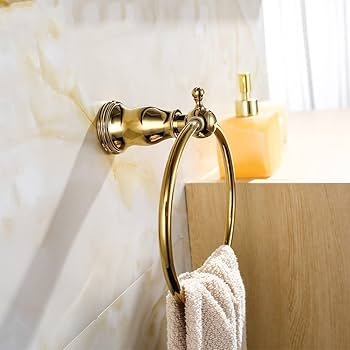
If you can’t afford to gut the whole room, change the hardware. This is the “low-hanging fruit” of bathroom remodeling. Swapping out a crusty old chrome faucet for a sleek matte black or brushed gold version can make a dated vanity look brand new.
Hardware is the jewelry of the bathroom. I once spent $200 on a really high-quality, heavy-duty brass faucet, and it changed the whole feel of the sink. Every time I turned the water on, it felt “expensive.” It’s a tactile thing—cheap plastic handles feel like a cheap bathroom.
Don’t stop at the faucet. Change the cabinet pulls, the towel bar, and the toilet paper holder to match. Having a cohesive finish across all the metal elements makes the room look professionally designed rather than thrown together.
I’m currently obsessed with champagne bronze finishes. It’s warmer than nickel but not as “in-your-face” as bright gold. It pairs beautifully with white tile and wood accents, giving you that perfect organic spa aesthetic.
10. The Power of a Statement Mirror
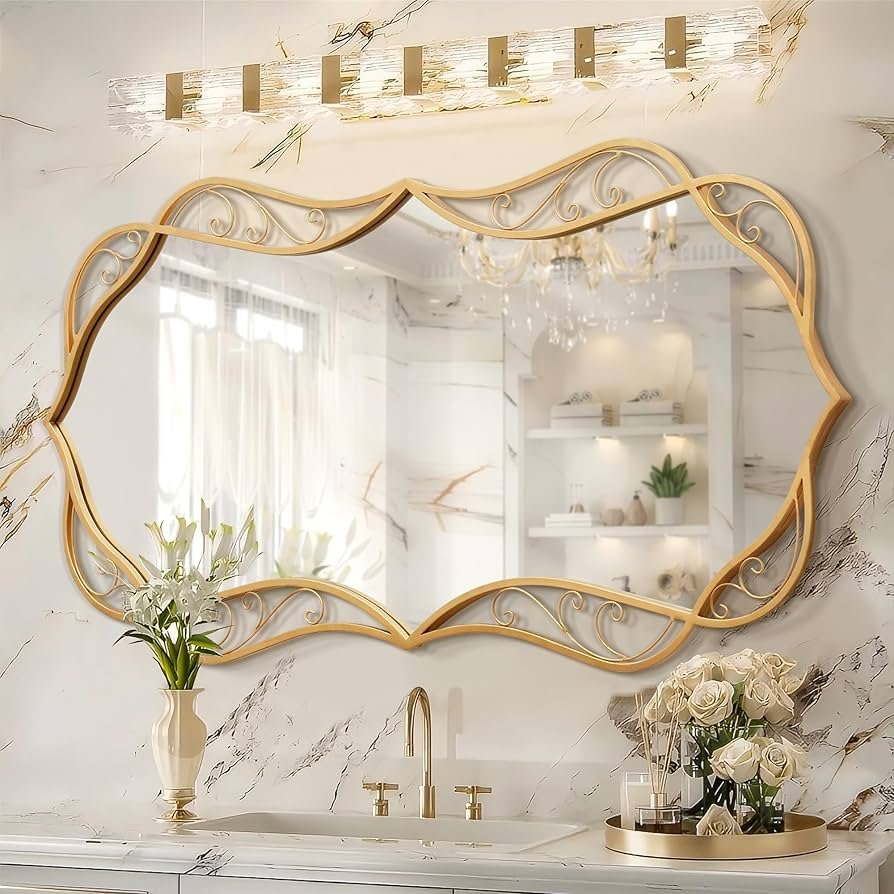
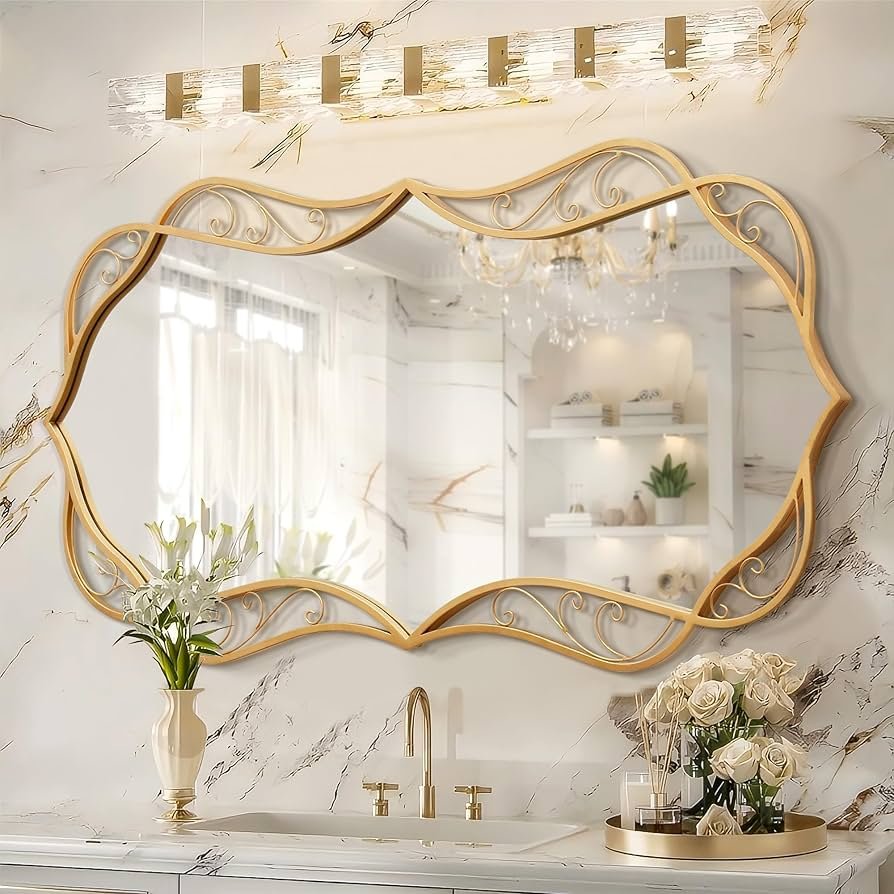
Most builder-grade bathrooms come with a giant, frameless sheet of mirror glued to the wall. It’s functional, but it has zero personality. Replacing that with a large, framed “statement” mirror can act as a piece of art for the room.
A round mirror is particularly effective in a bathroom because most of the other lines are square (the vanity, the tiles, the shower). A circle breaks up all those hard angles and feels a bit softer and more “boutique.”
I found an oversized round mirror with a thin black frame for my master bath, and it’s the first thing people comment on. It also reflects the light from the opposite wall, doubling the brightness of the room.
If you’re feeling fancy, look for a mirror with built-in LED backlighting. It provides a soft, even glow on your face (great for shaving or makeup) and acts as a built-in nightlight so you don’t have to blind yourself with the overhead lights at 2:00 AM.
11. Bonus: Heat Your Floors (The Ultimate Luxury)
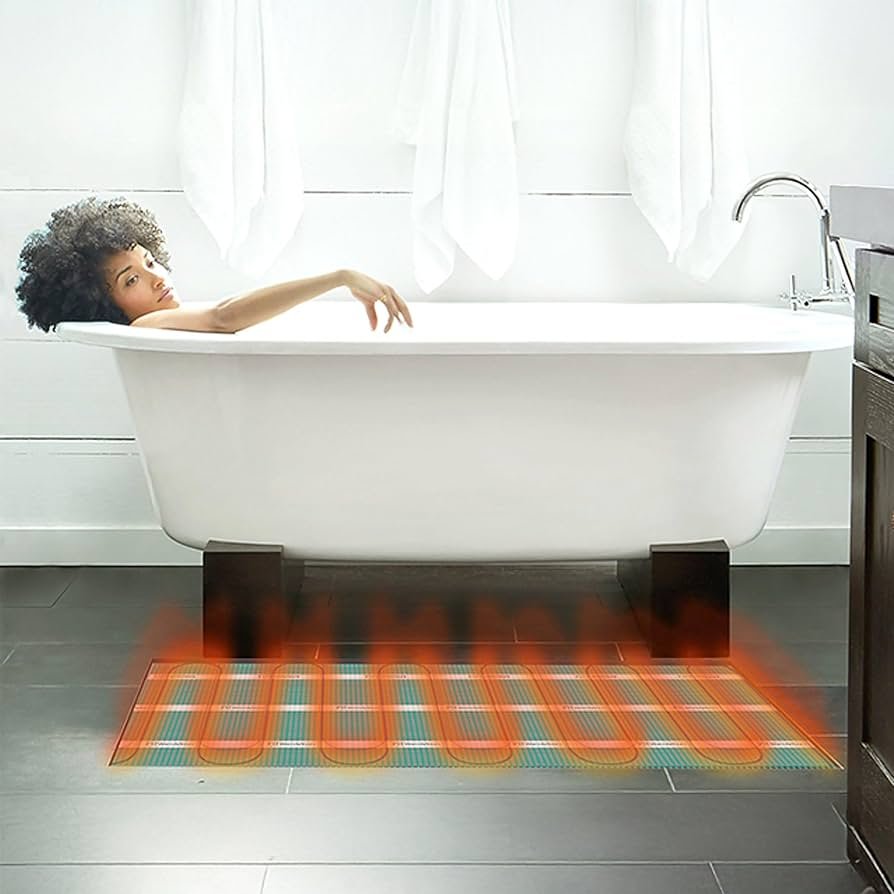
This isn’t as hard or as expensive as you think. If you’re already ripping up the old floor tile, you can buy electric radiant heating mats for a few hundred dollars. You lay them down under the thin-set before you tile, and they plug into a thermostat on the wall.
Stepping onto a warm floor on a cold morning is the absolute peak of “spa living.” It’s a hidden luxury that doesn’t take up an inch of space. I installed this in my basement bathroom, and it’s now the most popular room in the house during the winter.
Quick Side Note: If you’re doing this yourself, make sure you have a dedicated circuit for the floor heater. You don’t want your floor to trip the breaker every time you turn on the hairdryer.
The Real Talk: What’s Not Worth Your Time
Let’s get real for a second. Not every “Pinterest-perfect” idea is practical for a real home.
- Vessel Sinks: Those bowls that sit on top of the counter? I’ve had them. They look cool for five minutes until you realize you have to clean behind the bowl where the water splashes and sits. Plus, they usually make the counter height awkward for kids. Stick to under-mount sinks; they’re easier to wipe down.
- Intricate Tile Patterns: I once tried to do a complex herringbone pattern with marble tile in a tiny laundry room. It took me three times as long, I wasted 20% of the tile on cuts, and honestly? It made the floor look “busy.” In a small spa-style bathroom, simplicity is your friend.
- Wallpaper in a Small Bath: Unless you have a top-tier ventilation fan, skip the wallpaper. The steam from the shower will eventually peel the corners, and you’ll be left with a soggy mess. If you want a pattern, use a stencil or a high-quality “bathroom-rated” paint.
Parting Wisdom
The secret to a small spa bathroom isn’t about how much stuff you can cram in; it’s about how much you can take away. Clear the counters, simplify the colors, and focus on high-quality materials where you touch them most—the faucet, the towels, and the floor.
The biggest mistake I ever made was trying to make my small bathroom do “too much.” Once I accepted the footprint and focused on making it feel light and airy, it finally became the retreat I wanted.
What’s the biggest “pain point” in your current bathroom? Is it the lack of storage or that 1980s tub taking up all the space? Drop a comment below and let’s talk through your DIY hurdles!