
If you’ve ever brushed your teeth while standing on a bath mat that’s soaking wet because your vanity is too small to hold a single towel, we are officially kindred spirits. I’ve spent more time than I’d like to admit cursing at a pedestal sink that offered zero storage while trying to find a place for my hair dryer that didn’t involve the toilet lid.
Small bathrooms are a special kind of DIY purgatory. I remember my first “renovation” where I bought a massive wicker basket for my tiny powder room. It looked great for three days until I realized I couldn’t open the door all the way without hitting it. I’ve learned the hard way that in a tight space, every inch has to earn its keep. Here is my unfiltered guide to the organizers that actually work, and the ones that are just expensive clutter.
1. Over-the-Toilet Storage Units That Don’t Wobble
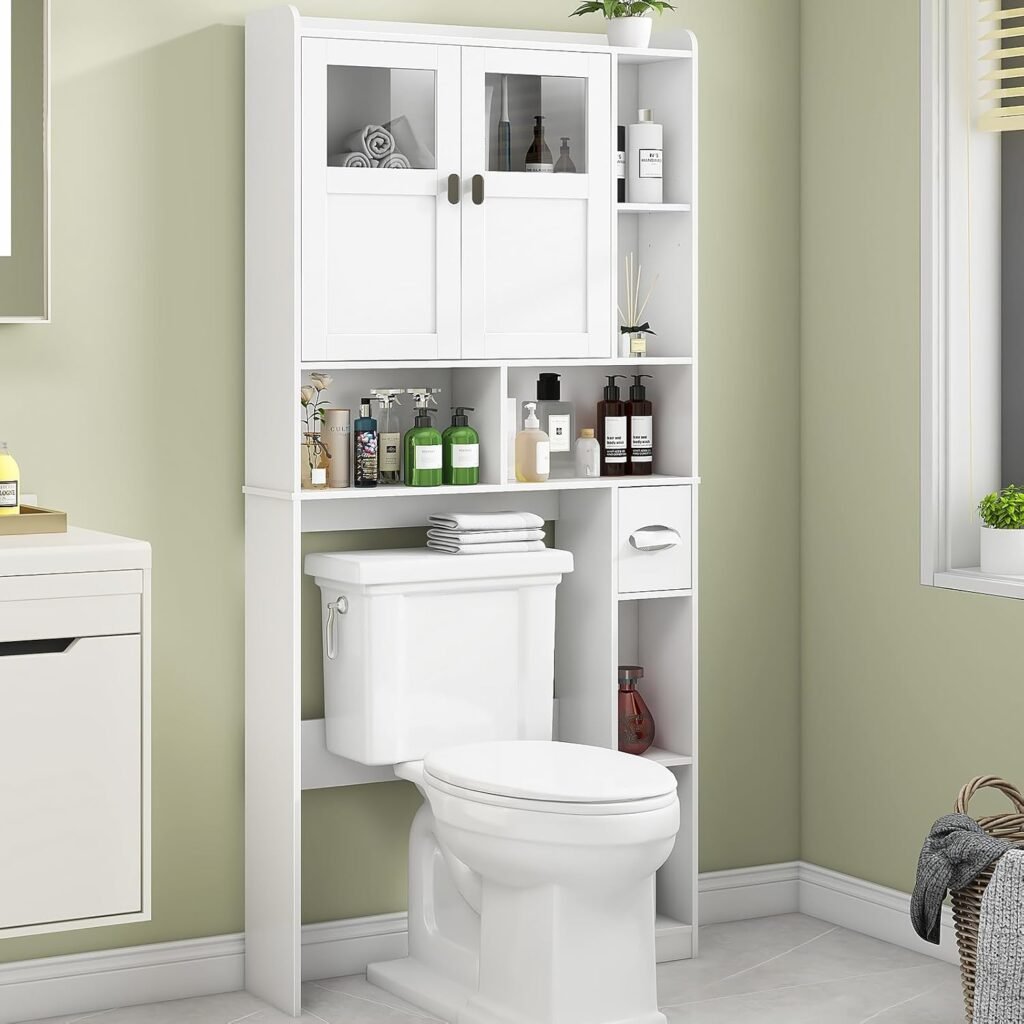
Most people buy those cheap, spindly metal shelves from big-box stores and then wonder why their shampoo bottles are constantly diving into the toilet. I’ve been there, and I’m telling you now: if it’s under fifty bucks and looks like a wire cage, skip it. You want something with “furniture weight” or, better yet, something you’ve anchored directly into the wall studs.
I prefer the wooden cabinet styles with a mix of open shelving and closed doors. The open shelf is for the things you want to show off—like a cute candle or a stack of fluffy white towels—and the closed cabinet is where you hide the hemorrhoid cream and the extra rolls of generic toilet paper. It’s all about the “eye-level” rule; if people see a tidy cabinet when they sit down, they won’t notice how small the room actually is.
When you install these, for the love of all things holy, check your clearance. I once installed a beautiful mahogany unit only to realize I couldn’t lift the tank lid to fix the flapper when the toilet started leaking. Leave at least three inches of breathing room between the tank and the bottom shelf. It saves you from a plumbing nightmare later.
If you’re worried about the “clunky” look, go for a ladder-style shelf. These lean against the wall and take up less visual space while giving you plenty of vertical real estate. Just make sure the feet have rubber grips so the whole thing doesn’t slide out and take you down while you’re brushing your teeth.
2. Floating Shelves for Vertical Wall Space
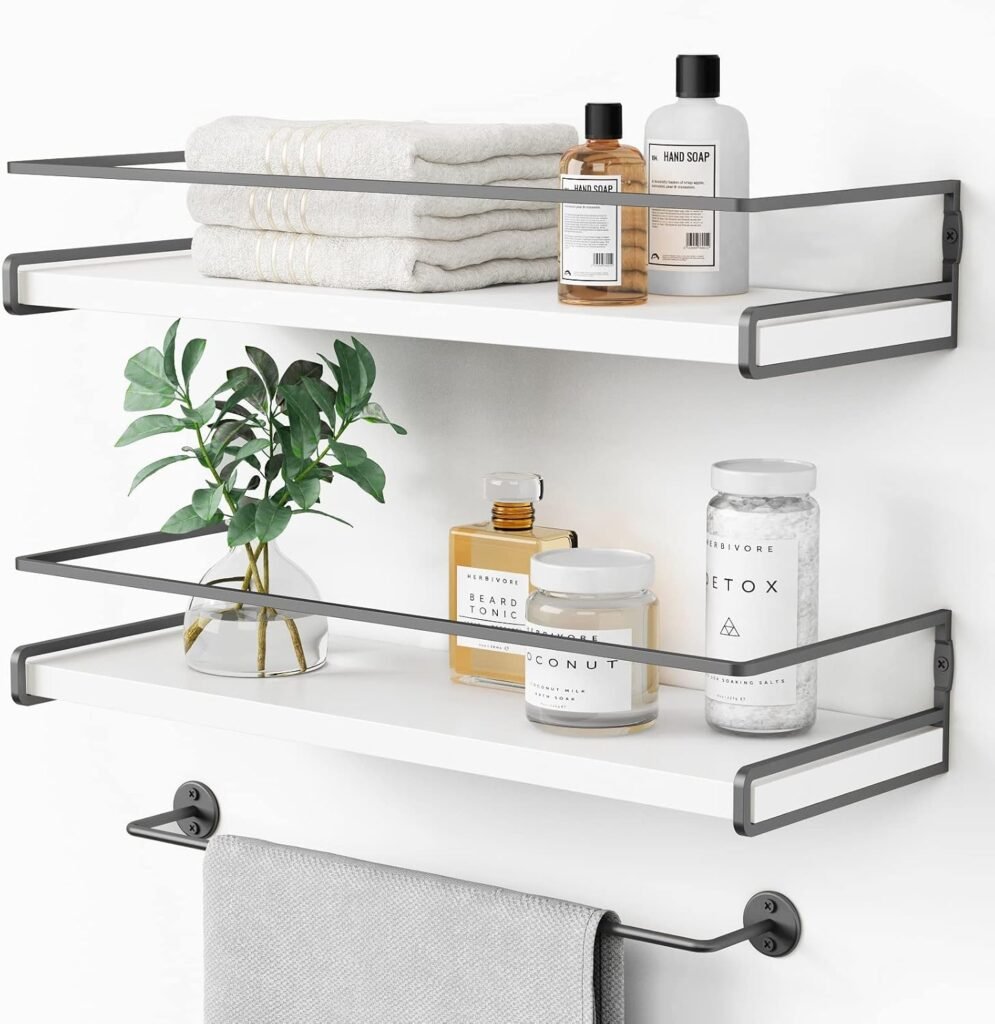
Floor space is a luxury you don’t have, so start looking up. Floating shelves are my go-to for turning a cramped bathroom into something that feels like a boutique hotel. I usually install mine in sets of three, staggered slightly, or stacked directly above the towel bar. This is prime real estate for jars of cotton balls, Q-tips, and those fancy soaps you’re never allowed to actually use.
The biggest mistake I see DIYers make is using those “invisible” brackets that come in the box. They are usually flimsy and start to sag the second you put a heavy bottle of lotion on them. I always buy heavy-duty hidden brackets or go for the industrial pipe look if the décor allows it. You want these shelves to be rock solid.
Think about the material, too. Bathrooms are humid. I once put up some beautiful raw pine shelves that warped into the shape of a Pringle within two months because of the shower steam. Go for sealed wood, glass, or even high-quality PVC if you want them to last a decade without molding.
Keep the styling simple. Use uniform glass jars for your smaller items. It stops the “clutter” feel and makes the room look intentional rather than just crowded. If you have a wall that feels empty, a single long floating shelf above the door is a genius way to store extra towels that you only need once a week.
3. Magnetic Organizer Strips for Metal Grooming Tools
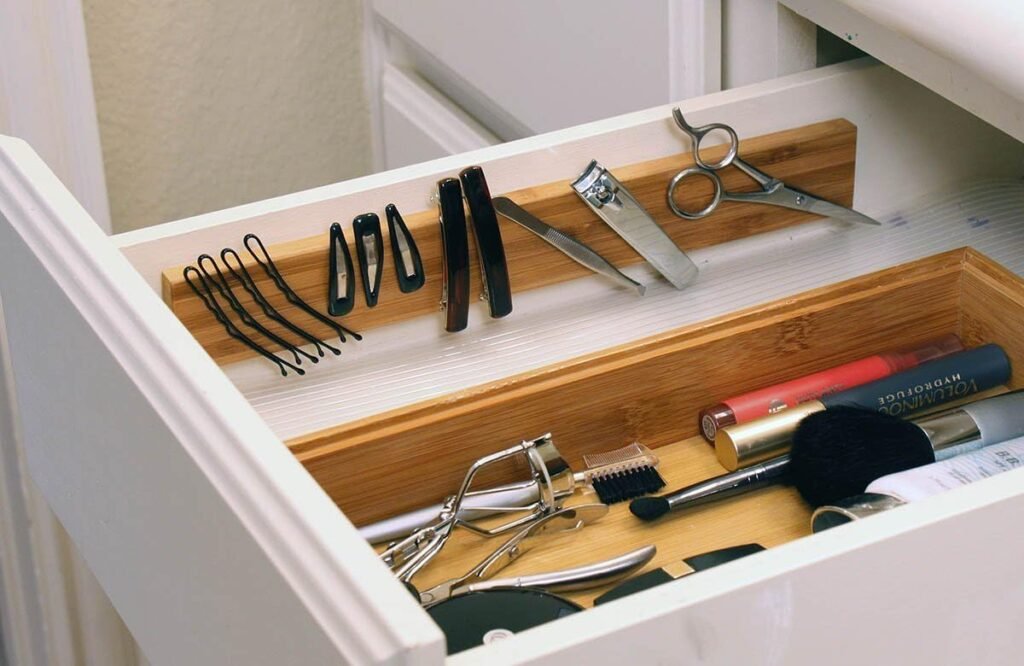
This is the cheapest, most effective hack I’ve ever discovered. I used to have a “junk drawer” in my vanity that was just a tangled mess of bobby pins, tweezers, nail clippers, and hair clips. Every time I needed a pair of tweezers, it was like a high-stakes game of Operation. Then I mounted a simple magnetic knife strip to the inside of my medicine cabinet door.
Life changed instantly. Now, my bobby pins just “click” onto the door. It utilizes that dead space on the back of the door that usually goes to waste. You can find these strips for less than ten dollars, and installation takes exactly two minutes with a couple of screws or some heavy-duty mounting tape.
Just a heads-up: make sure you buy a strip with a strong magnet. Some of the decorative ones are too weak to hold a pair of heavy-duty nail nippers. You want that satisfying thwack when you put a tool back. If you’re worried about the industrial look, you can cover the strip with a thin piece of decorative contact paper or fabric; the magnet will still work through it.
I also use these inside my vanity drawers for metal makeup tins. It keeps everything from sliding around when you pull the drawer open. It’s one of those “why didn’t I do this years ago” upgrades that costs almost nothing but saves you five minutes of frustration every single morning.
4. Rolling Slim Storage Carts for Narrow Gaps
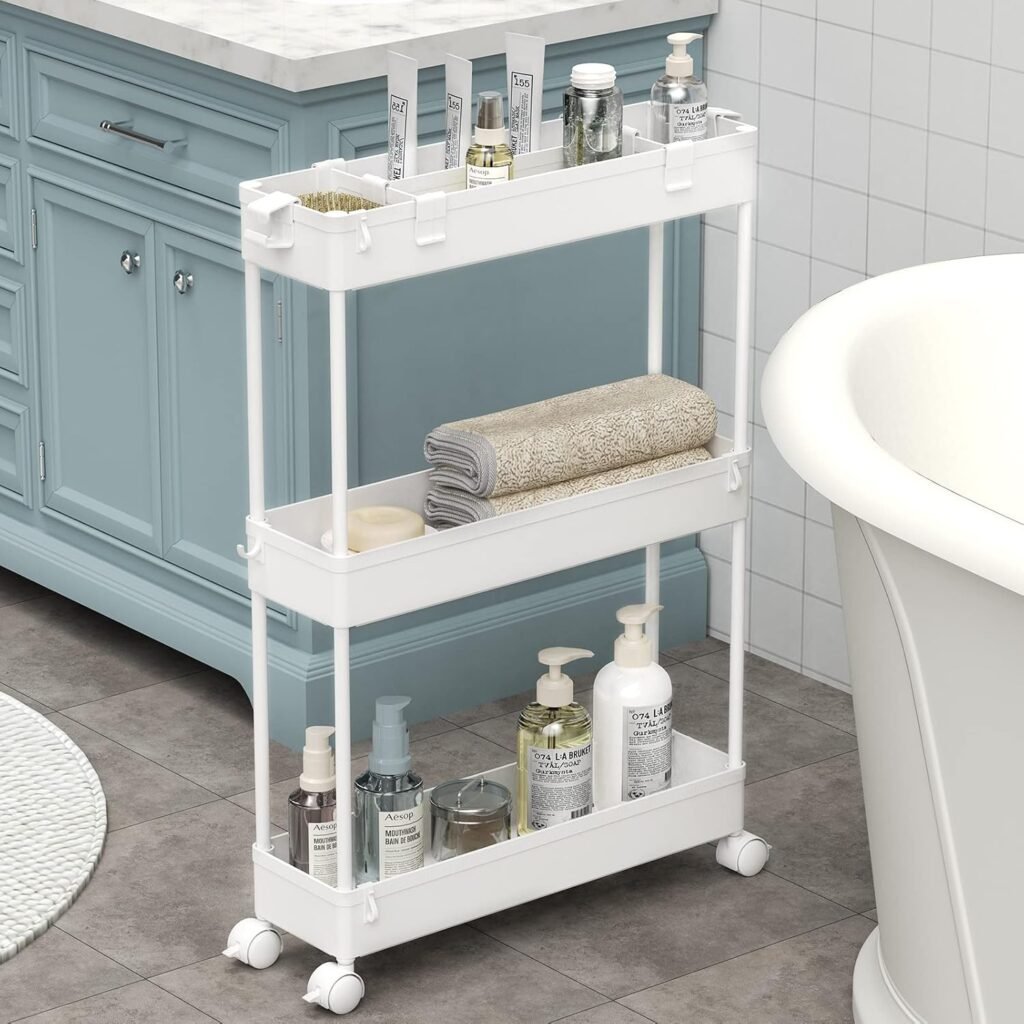
You know that awkward two-inch gap between your vanity and the toilet? Or the space between the shower and the wall? That is prime storage territory. I’m a huge fan of the ultra-slim rolling carts. They are usually only about 4 to 5 inches wide, but they can hold an entire year’s worth of cleaning supplies, extra shampoo, and rolls of toilet paper.
I used one of these in my guest bath for years. It’s perfect because you can slide it out to grab what you need and then tuck it away so it’s completely invisible. It keeps the floor looking clear, which is the number one trick to making a small room feel bigger. If the floor is visible, the room feels “open.”
Don’t buy the plastic ones if you can help it. They tend to get “wonky” after a few months and the wheels will start to stick. Spend the extra ten bucks on a metal version. It stays upright, rolls smoother, and can handle the weight of heavy liquid cleaners without bowing in the middle.
A quick pro-tip: measure your gap three times before ordering. I once bought a “slim” cart that was exactly 5 inches wide for a 5-inch gap. It fit, but it scratched the paint off my vanity every time I moved it. Give yourself a quarter-inch of wiggle room on either side so you aren’t fighting with it.
5. Tiered Turntables (Lazy Susans) for Under-Sink Chaos
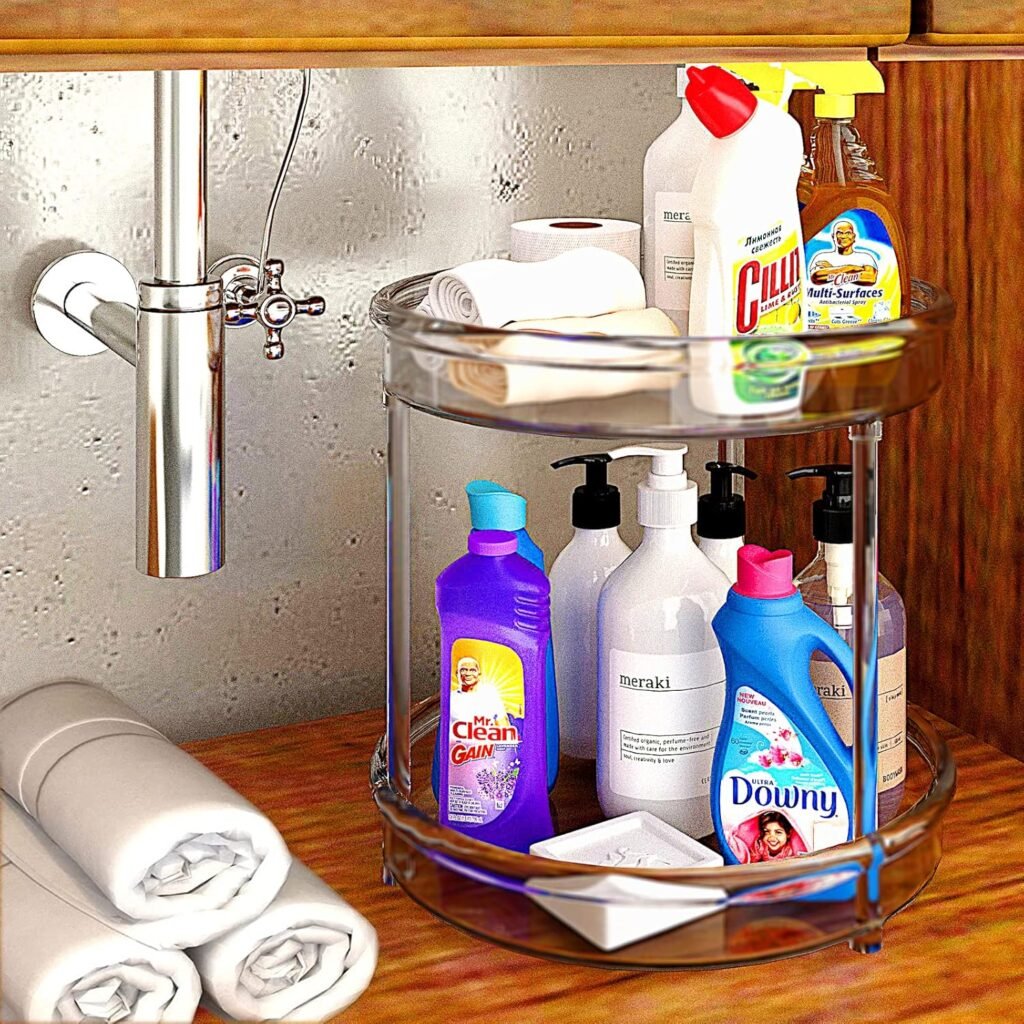
If I could banish one thing from bathroom design, it would be the cavernous, dark space under the sink. It’s where sponges go to die and half-empty bottles of hairspray disappear forever. I stopped fighting the depth of the cabinet and started using tiered Lazy Susans.
Instead of knocking over five bottles of lotion to get to the one in the back, you just spin the tray. I use a two-tiered version: the bottom tier is for taller items like hairspray and cleaning bottles, and the top tier is for smaller items like face creams and serums. It’s a game-changer for accessibility.
I prefer the clear acrylic versions over the wooden or metal ones. In a dark cabinet, you want to be able to see through the sides of the tray so you know exactly what’s on it without having to spin it like a wheel of fortune. Plus, if a bottle leaks (and it will), you can just pop the plastic tray in the dishwasher.
One thing to watch out for is the plumbing. Most under-sink areas have a massive P-trap pipe right in the middle. You might need two smaller turntables on either side of the pipe rather than one big one. Measure the flat space available around your pipes before you buy, or you’ll end up with a turntable that won’t actually turn.
6. Over-the-Door Organizers (But Not for Shoes)
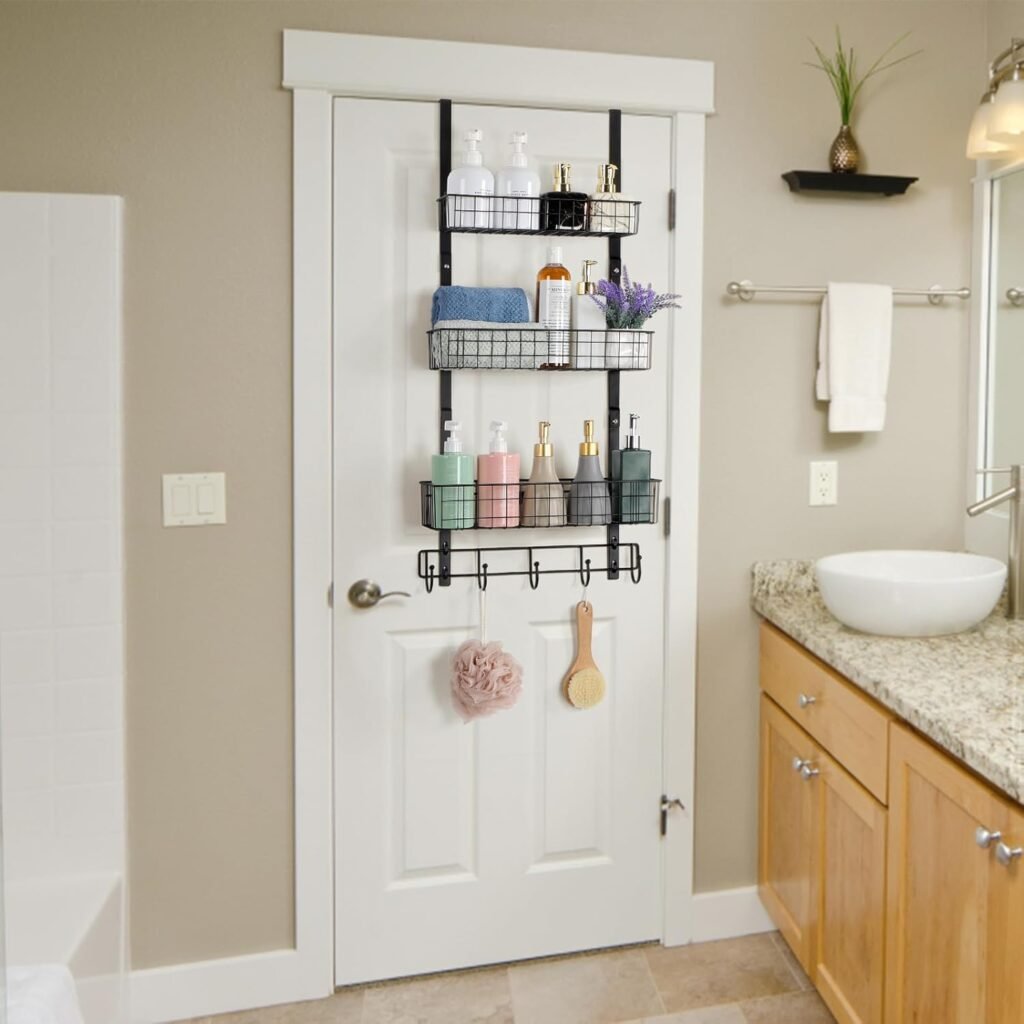
Clear pocket organizers that hang over the door are the Swiss Army knife of bathroom storage. I know they are marketed for shoes, but in a bathroom, they are perfect for hairbrushes, flat irons, tubes of toothpaste, and even rolled-up washcloths. It puts everything at eye level and clears off your counter completely.
I used one of these when my kids were toddlers to keep the “dangerous” stuff—like razors and bleach—at the very top pockets where they couldn’t reach. It’s a great way to categorize things, too. One row for dental care, one row for hair, and one row for skincare.
If you hate the look of the plastic pockets hanging over your door, look for the metal rack versions. They are more sturdy and can hold heavier items like large bottles of mouthwash without sagging. They also look a bit more “adult” and less like a college dorm room.
The only downside is the “clink” sound they make against the door when you open it. I solve this by putting a little bit of adhesive foam or felt on the back of the frame. It keeps the rack silent and prevents it from scratching the paint off your door. It’s a thirty-second fix for a major annoyance.
7. Tension Rods for Under-Sink Hanging Storage
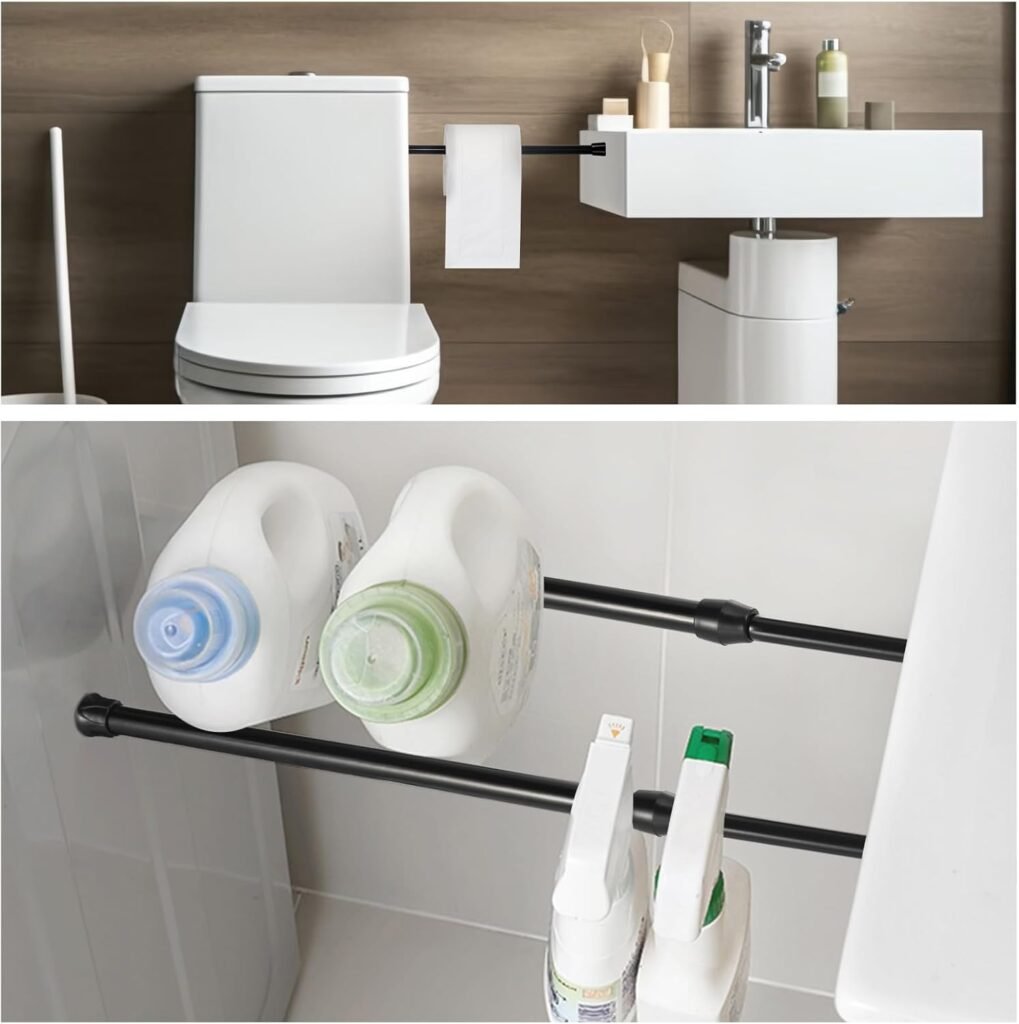
This is a “neighborly secret” that saved my sanity. If you have a bunch of spray bottles taking up floor space in your cabinet, get a small tension rod. Fit it across the top of the cabinet interior, from one side to the other. Now, you can hang all your spray bottles by their triggers.
This frees up the entire floor of the cabinet for bins or your Lazy Susan. It’s such a simple vertical hack, but it doubles your usable space instantly. I’ve found that the cheap tension rods meant for curtains work fine for this, as long as you tighten them enough to handle the weight of three or four full bottles.
I also use a small tension rod inside the shower itself, tucked against the back wall. It’s perfect for hanging loofahs, washcloths, or even those squeeze-bottle shampoos with the built-in hooks. It keeps the corners of the tub from getting that slimy soap-scum buildup.
Just make sure you don’t over-tighten it to the point of bowing the cabinet walls, especially if you have cheap particle-board vanities. They can’t take much lateral pressure. “Snug” is the goal, not “structural support.”
8. Stackable Clear Acrylic Drawers
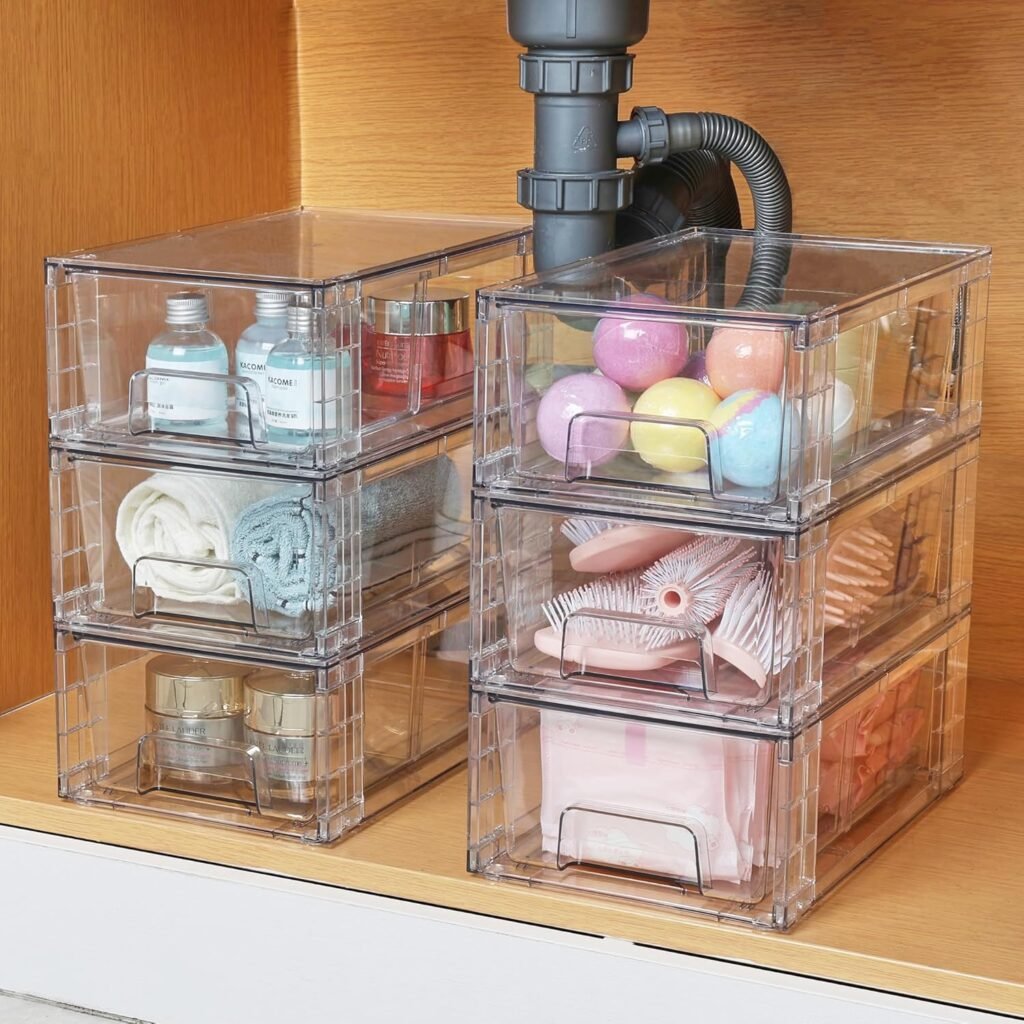
If you have a vanity with no drawers, you need to create your own. Stackable acrylic drawers are my favorite because they look clean and let you see exactly what’s inside. I use these for makeup, first-aid supplies, and even jewelry.
The beauty of these is the modularity. You can start with two and add more as your collection of “stuff” grows. Because they are clear, they don’t feel like a heavy block sitting on your counter. They almost disappear into the background, which is exactly what you want in a small space.
I’ve found that buying the ones with “feet” that lock into the lid of the drawer below is essential. If they just slide around on top of each other, you’ll end up pulling the whole stack over when you try to open the bottom drawer. Look for the “interlocking” keyword when you’re searching online.
One quick side note: don’t go overboard. If you have ten stacked drawers on your counter, it starts to look like a science lab. Limit yourself to a stack of three, and keep the rest inside the cabinets. It keeps the visual clutter down while still giving you the organization you need.
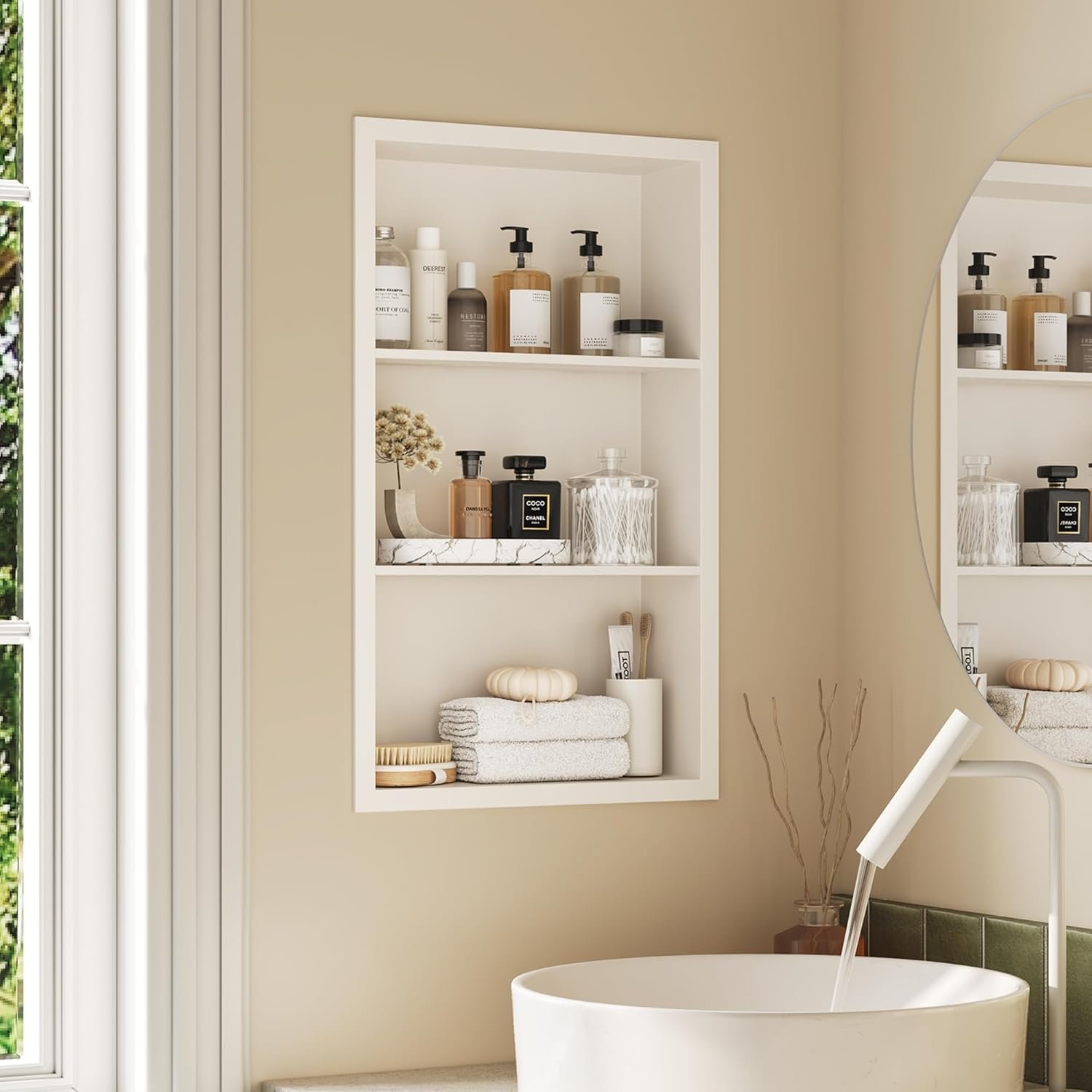
9. Recessed Medicine Cabinets (The Ultimate Pro Move)
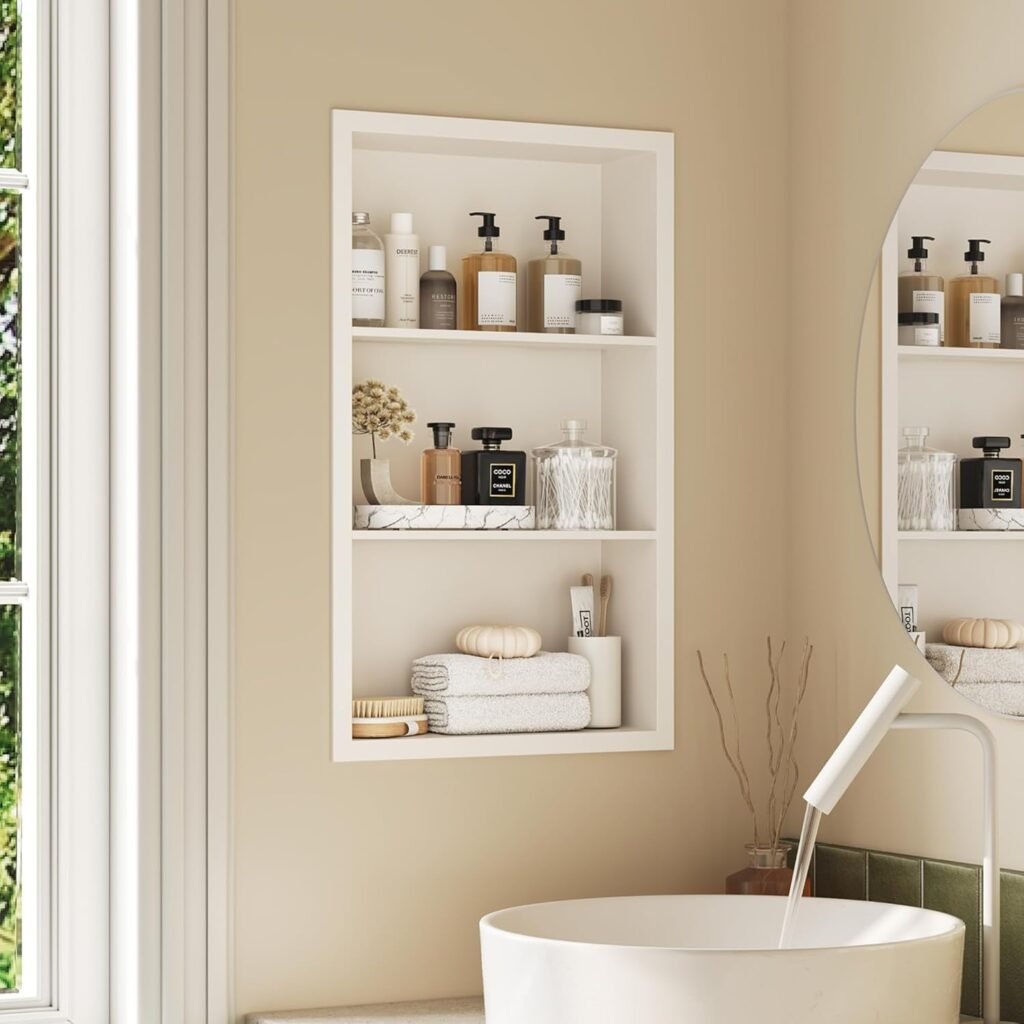
If you’re willing to do a little bit of “surgery” on your walls, a recessed medicine cabinet is the gold standard of small bathroom storage. Most people just buy the surface-mount ones that stick out four inches from the wall. They look clunky and you’ll eventually hit your head on them while leaning over the sink.
A recessed cabinet sits inside the wall between the studs. It looks like a flat mirror but hides a massive amount of storage. I installed one in my last renovation, and it was the single best thing I did for that room. It makes the bathroom feel high-end and custom.
Before you start cutting into the drywall, use a stud finder and check for plumbing or electrical lines. There’s nothing like trying to install a cabinet and accidentally sawing through a vent pipe. (Yes, I’ve done it. Yes, it was an expensive Tuesday).
If you find a clear spot between two studs, it’s a relatively easy DIY project. You just cut the hole, frame it out with a couple of 2x4s, and screw the cabinet in. It’s a weekend project that adds actual value to your home and clears every single small bottle off your vanity top.
10. Corner Shelving for the Shower
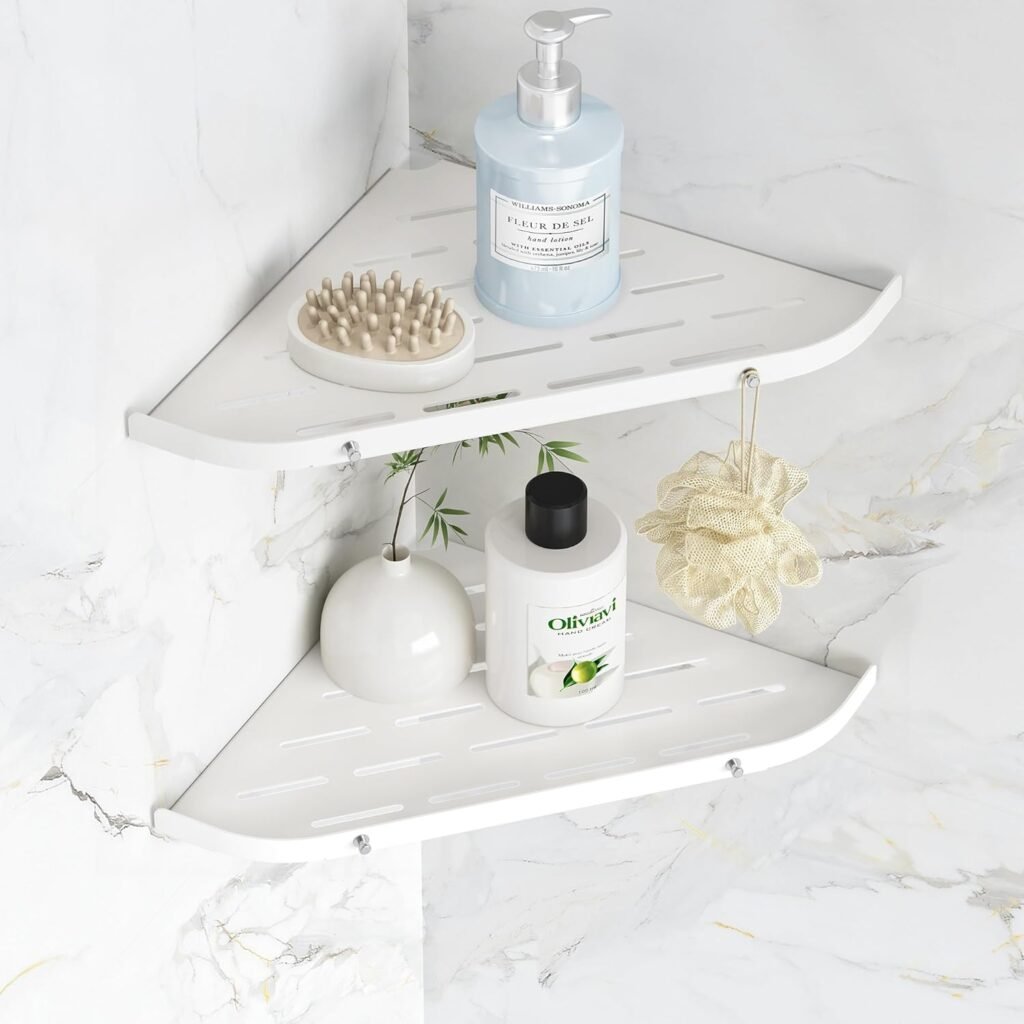
The corners of your shower are usually dead space. Most people use those hanging caddies that loop over the showerhead, but those always slide down or get rusty. I much prefer corner tension-pole shelves or permanent glass corner shelves.
The tension-pole versions go from the tub rim to the ceiling. They give you four or five levels of storage for everyone in the family. No more sharing a single shelf or leaving bottles on the floor to get moldy. Just make sure you get one made of stainless steel or high-quality plastic; chrome-plated steel will rust in about six months in a wet environment.
If you’re doing a tile job, I always recommend installing “niches” or permanent corner shelves. They look so much cleaner and are much easier to keep clean. I’ve found that the little ceramic corner shelves are cheap, easy to install with a bit of thin-set, and they last forever.
Bonus tip: If you use a tension pole, put a dollop of clear silicone on the top and bottom pads before you wedge it into place. It prevents the pole from slipping and creates a watertight seal so you don’t get a mold ring on your ceiling.
11. Adhesive Spice Racks for the Inside of Cabinet Doors
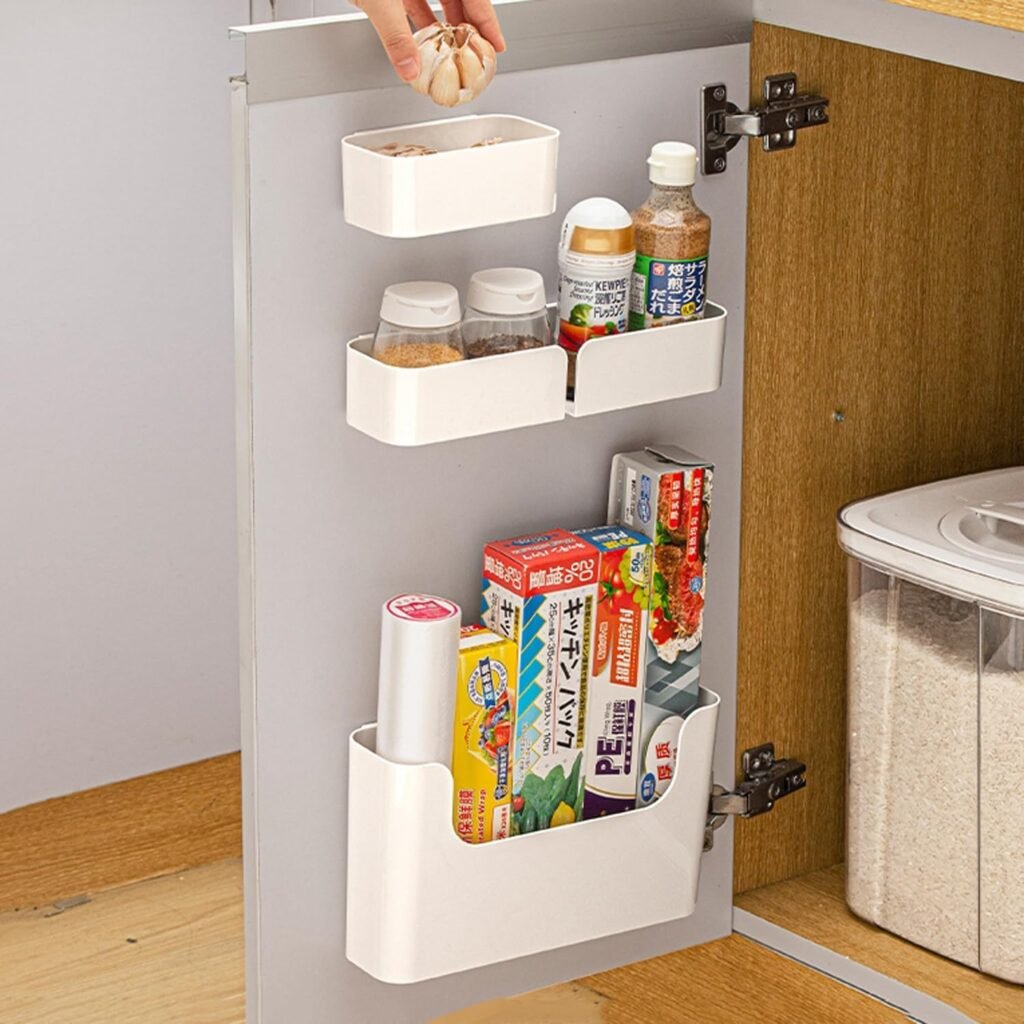
Here is my final “secret weapon.” Go to the kitchen section and buy a set of simple spice racks. Mount them to the inside of your vanity doors using screws or heavy-duty adhesive strips. They are the perfect size for medicine bottles, perfumes, and hair styling products.
This uses the “dead air” inside your cabinet. Usually, when you close a cabinet door, there are several inches of empty space between the door and the items on the shelf. These racks fill that gap. It’s like adding an extra two feet of shelf space to your bathroom for about fifteen dollars.
I prefer the wood or white plastic versions over the wire ones, as small bottles tend to tip over on wire shelves. If you use adhesive strips, make sure you clean the door with rubbing alcohol first to get off any hairspray residue, or the whole rack will come crashing down in the middle of the night.
This is my favorite way to store the things I use every single day. I open the door, grab my deodorant and face wash, and I’m done. No digging, no searching, and no mess on the counter.
The Real Talk: What’s Not Worth the Effort
I’ve tried almost every “viral” storage hack out there, and some of them are just plain bad. For example, those “behind the door” towel racks that have five swinging arms? Total waste of money. They get heavy, the arms start to sag, and they eventually rip the hinges right out of your door frame. Just use a couple of sturdy hooks instead.
Also, avoid “wicker” baskets in a bathroom that doesn’t have great ventilation. Wicker is basically a sponge for moisture. Within a year, those cute baskets will start to smell like a damp basement and might even grow a layer of fuzz on the bottom. Stick to plastic, metal, or sealed wood.
And please, don’t buy the “matching sets” of countertop accessories—the soap dish, the toothbrush holder, the tissue box cover. They take up way too much room and just create more surfaces for you to dust. Keep the counter as clear as possible. A single nice soap dispenser is all you need.
Parting Wisdom
Storage isn’t about how many bins you can buy; it’s about how much “stuff” you actually need to keep. Before you install a single shelf, go through your cabinets and throw away the half-used bottles of shampoo from 2022 and the makeup you haven’t touched in a year. The best storage organizer in the world is a trash bag.
Once you’ve decluttered, pick two or three of the ideas above that fit your specific layout. You don’t need all eleven. Start with the “over-the-toilet” area or the back of the door—those are the biggest wins for the least amount of work.
What is the biggest struggle you’re having with your small bathroom right now? Is it the lack of drawers, or is your shower currently a graveyard for empty soap bottles? Drop a comment below and let’s figure out a solution together!