
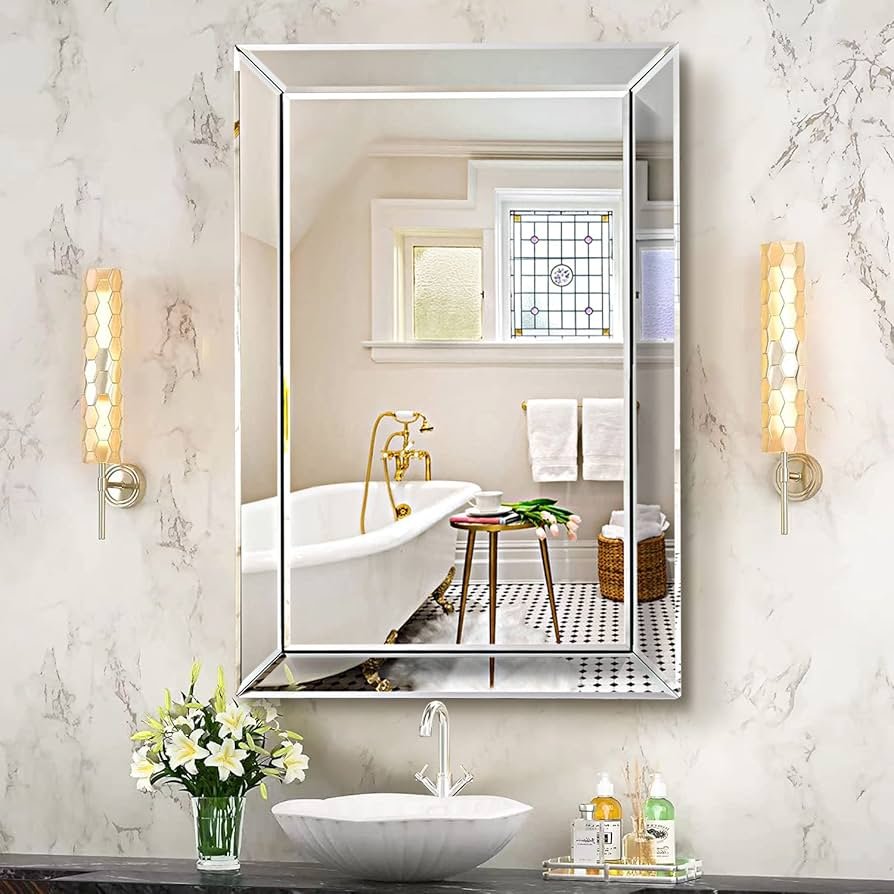
Your bathroom is so small you can brush your teeth and scrub the tub at the same time without moving your feet. I get it. I once tried to squeeze a double vanity into a powder room because I saw it in a magazine, only to realize I’d effectively trapped myself in the corner like a piece of furniture. It was awkward, expensive, and a total DIY disaster.
The “Modern Organic” look is the perfect fix for these cramped quarters. It’s all about mixing clean, minimalist lines with earthy, raw materials. Think of it as “Spa Vibes meet Cabin in the Woods,” minus the creepy moss. It makes a small space feel intentional rather than cluttered.
Here are my tried-and-true tips for pulling off this look without losing your mind—or your security deposit.
1. Floating Wood Vanities Save Floor Space
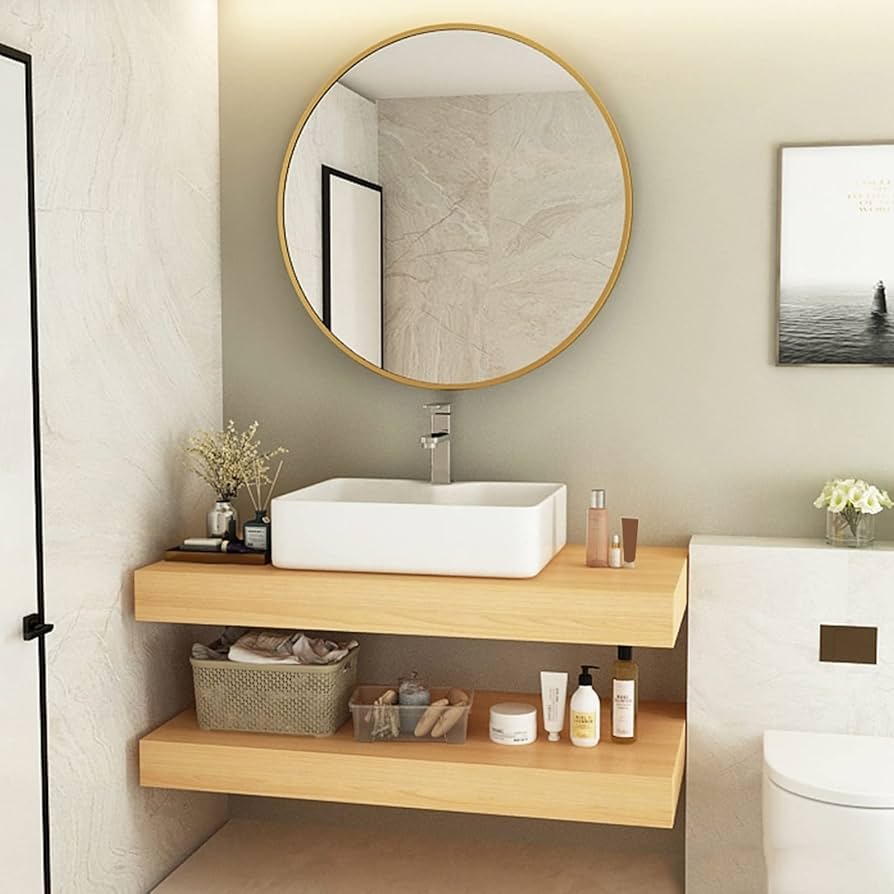
When you’re dealing with a tiny footprint, seeing the floor all the way to the wall is a psychological trick that makes the room feel twice as big. I used to think chunky, floor-sitting cabinets were the only way to get storage, but they just act like a visual anchor that drags the whole room down. A floating vanity in a light oak or reclaimed wood finish adds that essential organic warmth without the bulk.
I learned the hard way that you need to check your wall studs before committing to this. During my first “modern” remodel, I tried hanging a heavy teak vanity on nothing but drywall and a prayer. It lasted about three hours before it ripped a hole in the wall. Always, always use heavy-duty toggle bolts or, better yet, screw directly into the timber.
For the modern organic aesthetic, steer clear of high-gloss finishes. You want a matte or “natural” sealer. The goal is to see the grain of the wood. If it looks like plastic, you’ve gone too far toward the “modern” and lost the “organic.” Pair it with a simple white vessel sink to keep the lines crisp and clean.
Don’t worry about losing storage. You can tuck a couple of woven seagrass baskets underneath the floating unit. This gives you a spot for extra toilet paper or towels while keeping the “airy” feel intact. It’s much more functional than a dark cabinet where things go to die in the back corners.
2. Slate and Pebble Floor Tiles for Texture
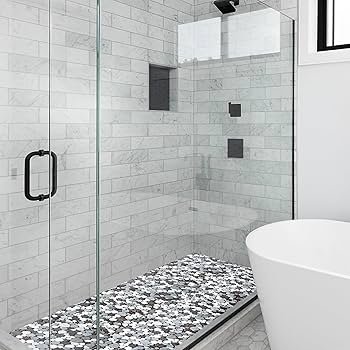
Standard 12×12 ceramic tiles are boring and, frankly, a bit dated for this style. If you want that high-end organic feel, you have to play with texture. I’m a huge fan of sliced pebble tile or dark slate. It feels amazing under your feet—like a foot massage every time you take a shower—and it hides water spots like a pro.
One thing Pinterest won’t tell you: pebble tile is a nightmare to grout if you aren’t patient. My first attempt looked like I’d dumped oatmeal on the floor. You have to be meticulous about wiping away the excess. But once it’s done, that earthy, uneven surface breaks up the “boxy” feeling of a small room.
Dark slate is my go-to for a “moody” organic look. People are terrified of dark colors in small rooms, but that’s a myth. A dark floor with light walls actually creates depth. It grounds the space. Just make sure you use a high-quality sealer, or that beautiful stone will start looking chalky after a few months of soapy water exposure.
If you’re on a budget, look for luxury vinyl plank (LVP) that mimics slate or stone. It’s waterproof, easy to install yourself, and much warmer on the toes in the winter. Plus, if you mess up a cut, you just grab another plank instead of crying over a shattered piece of expensive stone.
3. Terracotta Accents for Earthy Warmth
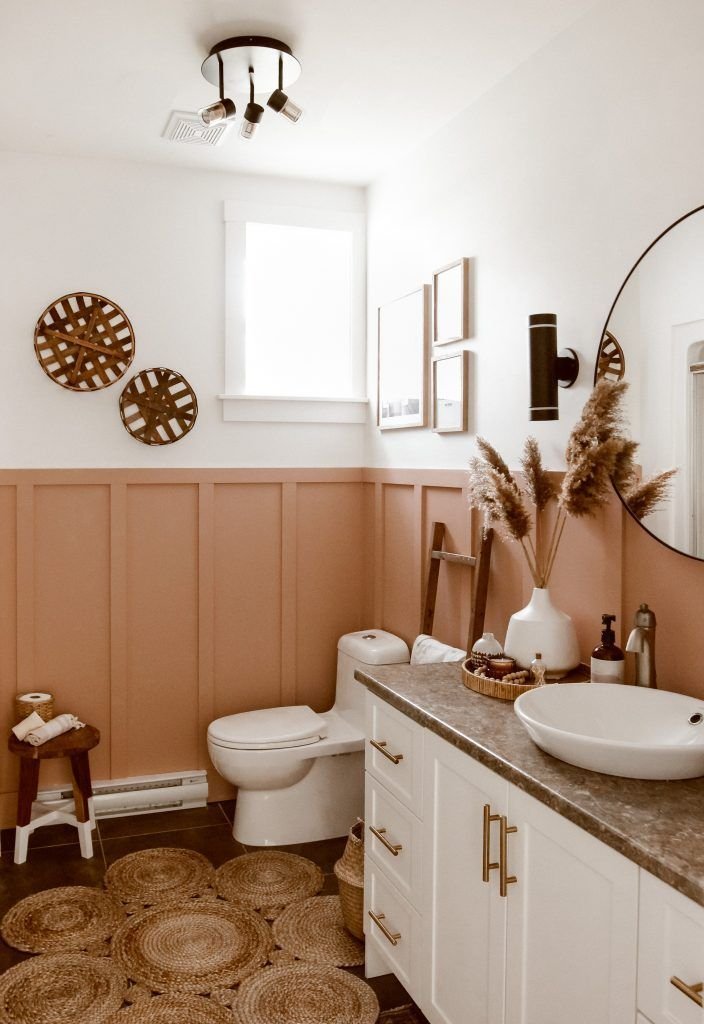
Modern organic can sometimes lean too far into “cold and white.” You need a “pop” of something clay-based to bring it back to earth. I’m obsessed with terracotta—not the bright orange pots from the garden center, but the muted, dusty rose and deep burnt umber tones. It adds an instant sense of history and craftsmanship to a brand-new space.
I once painted an entire bathroom “terracotta” and it looked like the inside of a flowerpot. It was claustrophobic. Instead, use it in small doses. Think a handmade clay soap dish, a textured vase on a floating shelf, or even terracotta-colored linen hand towels. These small touches provide the “organic” soul the room needs.
Handmade Zellige tiles in a terracotta shade are also incredible for a backsplash. Because they are handmade, no two tiles are the same shape or color. That imperfection is exactly what makes the modern organic style work. It feels human, not factory-made. In a small space, a little bit of this goes a long way.
If you’re feeling brave, try a terracotta-colored grout with white subway tile. It sounds weird, but it creates a warm, grid-like pattern that looks very high-end and custom. It’s a cheap way to make basic materials look like they cost a fortune. Just keep the rest of the room simple so the patterns don’t fight each other.
4. Matte Black Fixtures Provide Modern Contrast
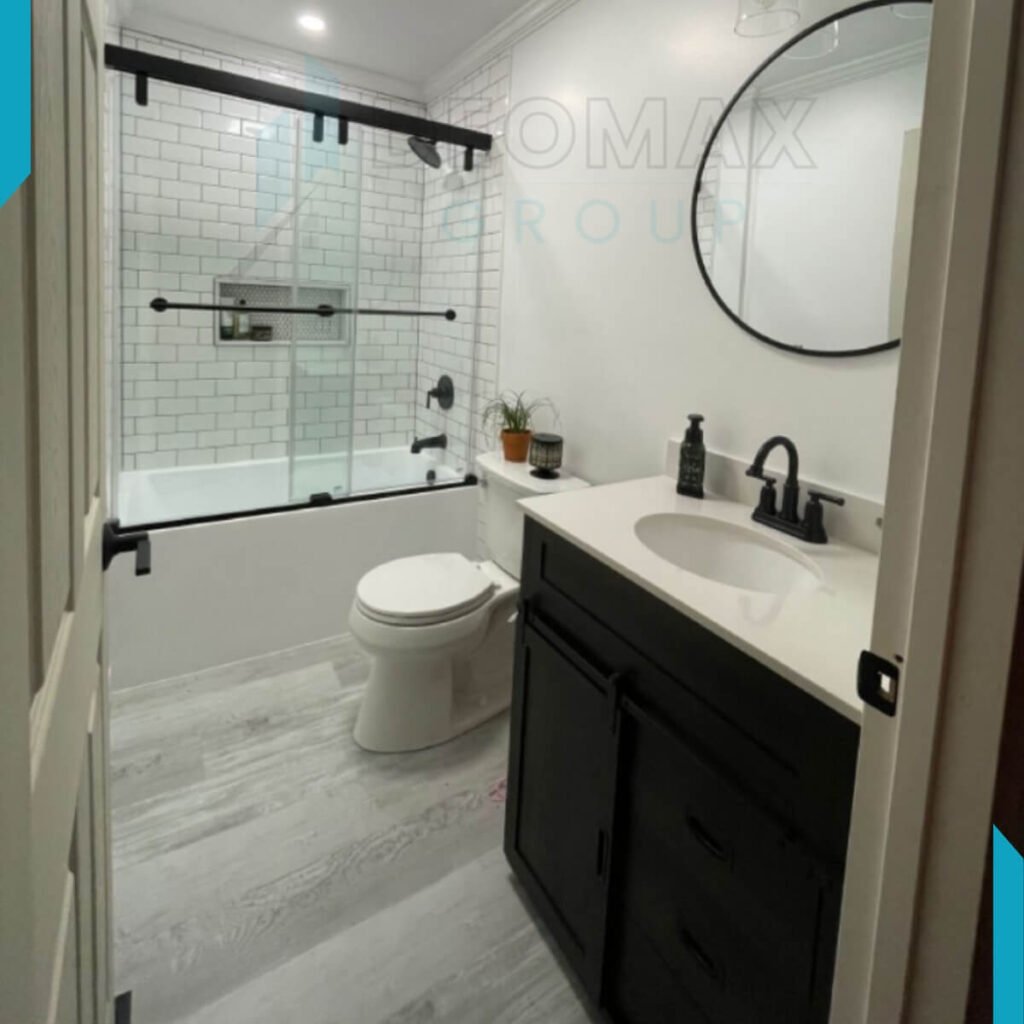
Every organic space needs a “hard” edge to keep it from looking like a hippie commune. That’s where matte black fixtures come in. Whether it’s the faucet, the shower head, or the cabinet pulls, black provides a sharp, modern contrast to the soft woods and stones. It’s like the outline in a coloring book; it defines the space.
I’ve tried gold and brass, and while they’re trendy, they can sometimes feel a bit “glam” for a truly organic vibe. Matte black is timeless. It’s also surprisingly easy to keep clean if you get the right finish. Avoid the super cheap stuff that shows every fingerprint; spend the extra twenty bucks for a “spot-resist” coating.
When I swapped out my old chrome faucet for a sleek black one, the whole room instantly felt ten years younger. It’s the easiest DIY “win” you can get. You don’t even need a plumber—just a wrench and a YouTube tutorial. It takes maybe thirty minutes, and the visual impact is massive.
Side note: Don’t go overboard. If everything is black, the room will feel like a cave. Keep the black to the “slender” items—the taps, the mirror frame, and maybe a towel rack. This keeps the look balanced and allows the natural materials to be the star of the show.
5. Live Greenery for Instant Life
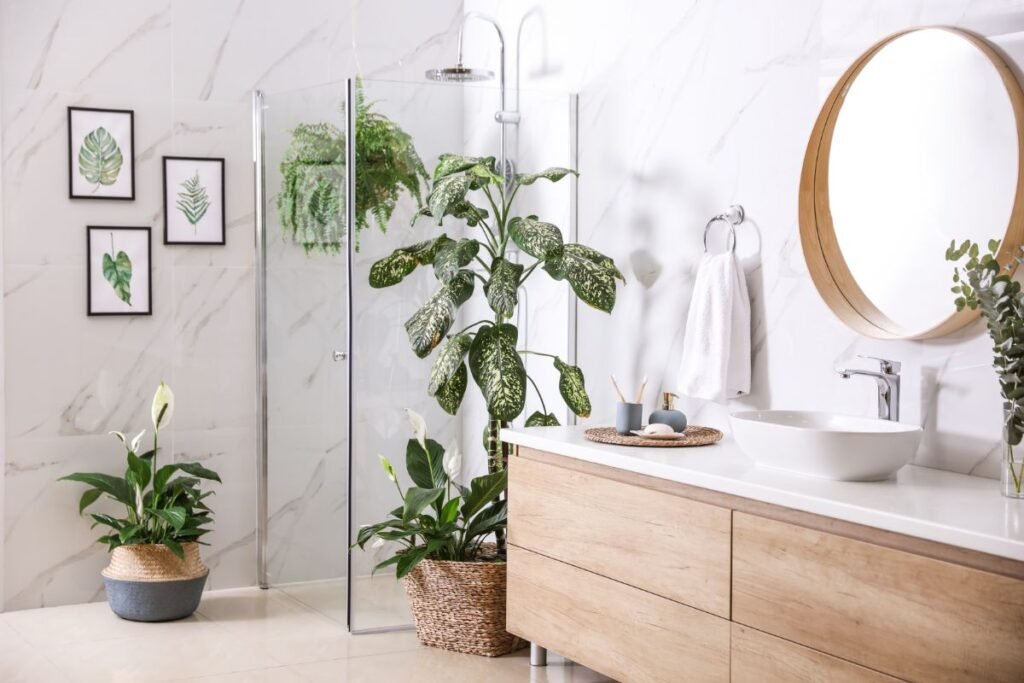
You cannot have an organic bathroom without plants. Period. They literally provide the “organic” part of the equation. In a small bathroom, you have to be strategic. I once put a massive fiddle-leaf fig in my 4×4 powder room and I had to duck under a leaf just to use the toilet. Not my best move.
Instead, go for “humidity lovers” like Snake Plants, Pothos, or Bird’s Nest Ferns. They thrive in the steam from your shower and don’t mind the lower light levels found in many small bathrooms. A trailing Pothos on a high shelf looks incredible as it winds its way down toward the floor.
If you have zero natural light (like a basement bathroom), don’t force a real plant to suffer. There are some incredibly realistic “fakes” out there these days. Just avoid the ones that look like shiny plastic. Go for “real touch” silk plants or even dried eucalyptus hanging from the shower head. The smell of eucalyptus when the steam hits it is basically a cheap spa day.
Plants also help soften the hard lines of the toilet and vanity. They add a layer of texture that you just can’t get from tile or wood. Plus, they clean the air, which—let’s be honest—every bathroom can benefit from. Just make sure your pots have drainage, or you’ll end up with a soggy, stinky mess.
6. Open Shelving with Natural Textures
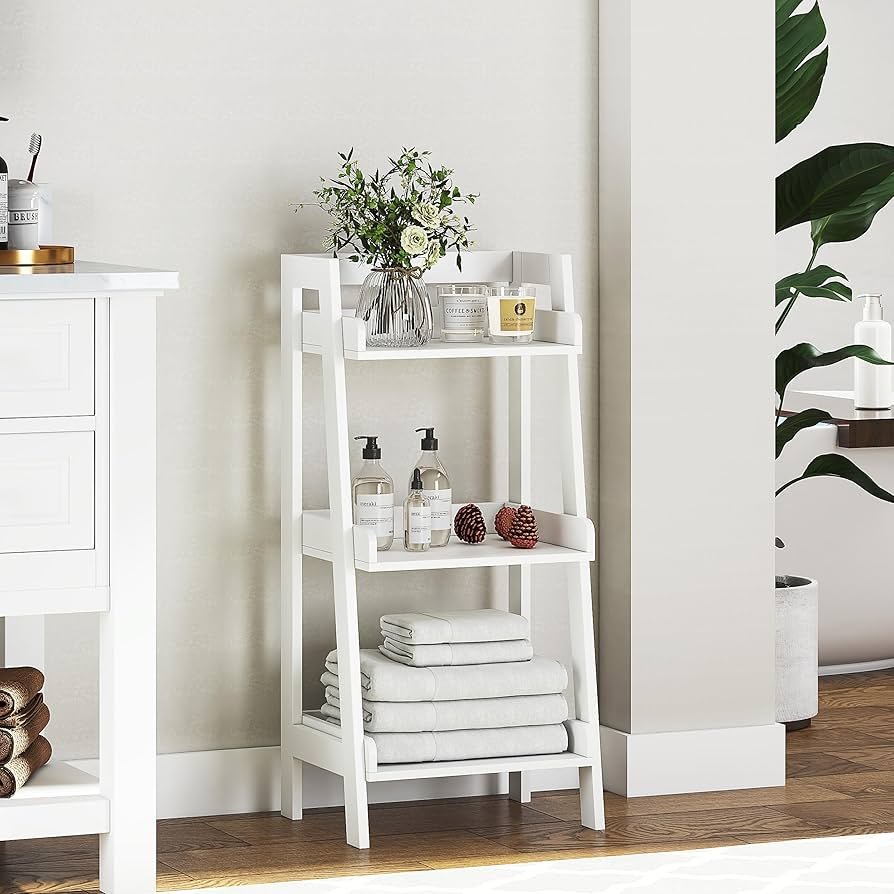
Cabinets are the enemy of small spaces. They’re big, heavy boxes that eat up visual room. I’m a huge advocate for swapping at least one upper cabinet for open shelving. Use thick, live-edge wood slabs for a real organic punch. It gives you a place to display your pretty things while keeping the room feeling open.
The “Real Talk” here: open shelving requires you to be a bit of a minimalist. If you have a collection of half-empty neon-colored shampoo bottles, don’t put them on the open shelf. It will look like a cluttered mess. Use uniform glass jars for your cotton balls and Q-tips, and stick to a cohesive color palette for your towels.
I like to style my shelves with a mix of “functional” and “pretty.” A stack of rolled-up linen towels next to a small stone bowl for your rings looks intentional. It’s about creating a “vignette.” It sounds fancy, but it just means “a little pile of stuff that looks nice.”
If you’re worried about dust, don’t be. In a bathroom, you’re using these items frequently enough that dust doesn’t really have time to settle. And if it does? It takes ten seconds to wipe down a shelf. The trade-off in how much bigger your bathroom feels is worth the occasional dusting.
7. Linen Shower Curtains Add Softness
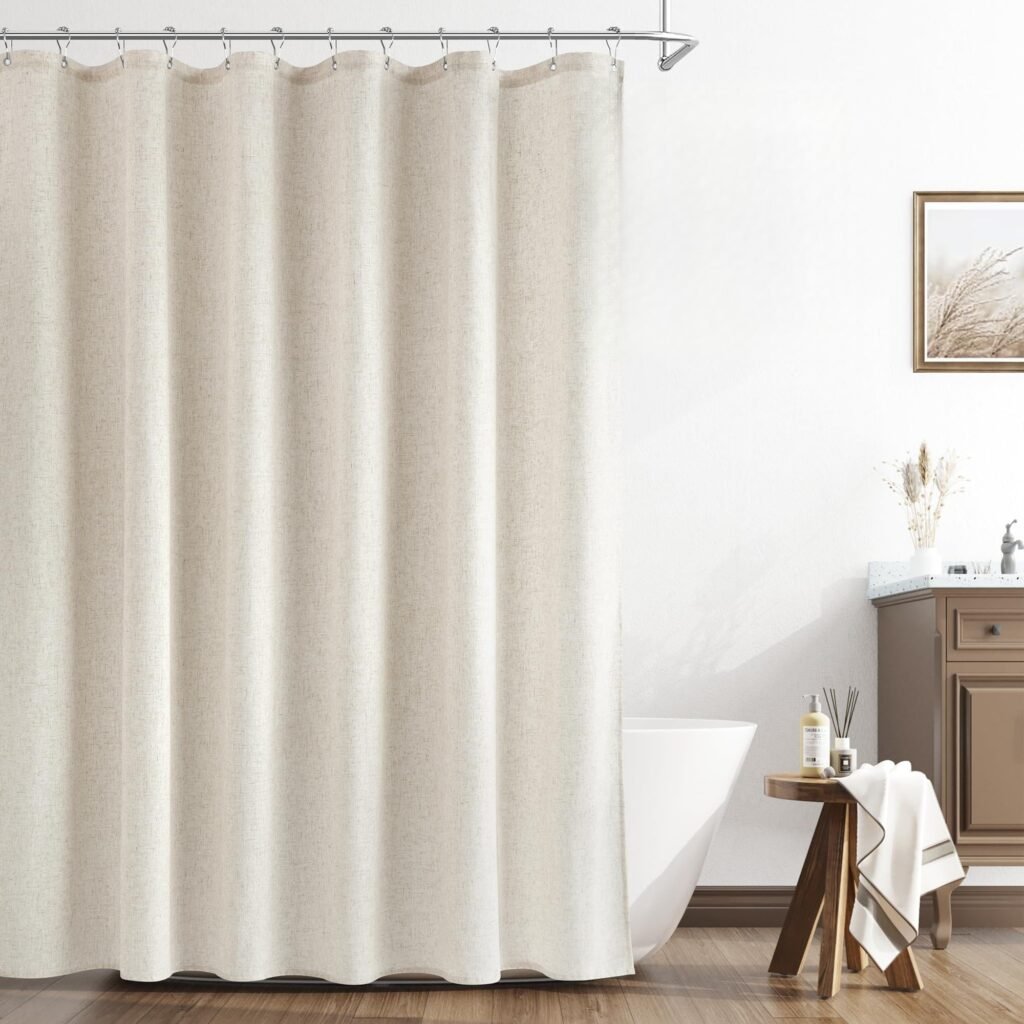
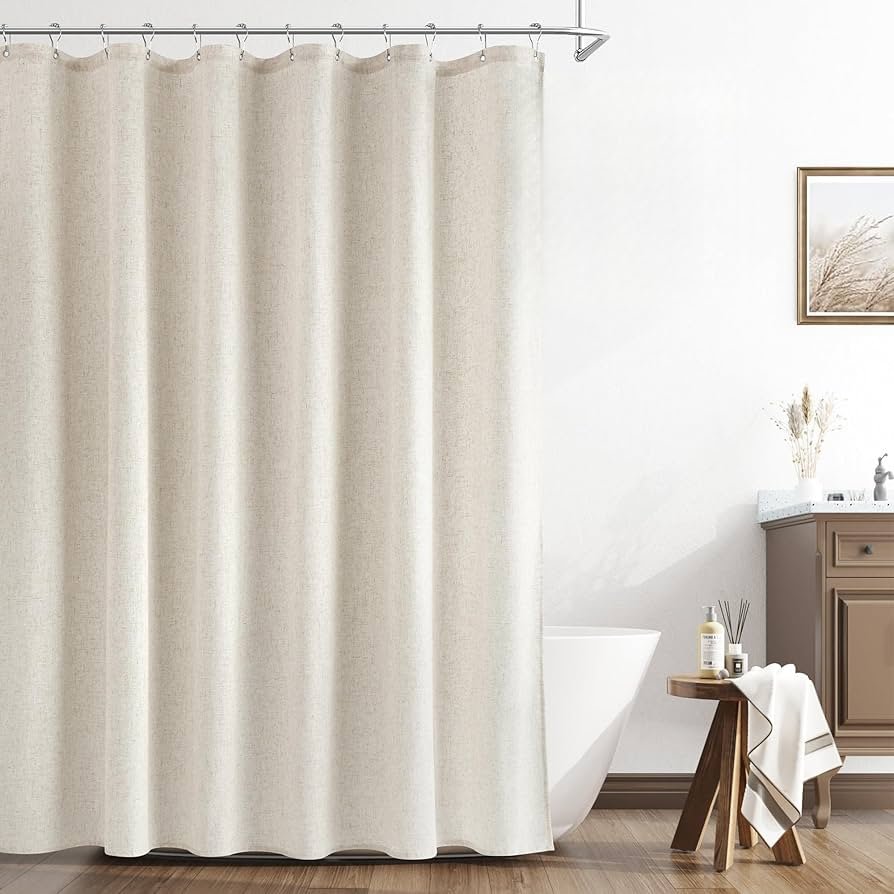
Plastic shower curtains are a crime against home decor. They’re crinkly, they smell weird, and they look cheap. For a modern organic space, you want a heavy-weight linen or cotton curtain. It adds a textile element that warms up all the cold surfaces like tile and porcelain.
I prefer an extra-long curtain. I hang the rod as close to the ceiling as possible and let the curtain “puddle” just a tiny bit on the floor (or just hover a half-inch above). This draws the eye upward and makes the ceiling feel much higher than it actually is. It’s an old designer trick that works every single time.
Go for neutral colors like oatmeal, sand, or a very pale sage green. Avoid busy patterns. A simple waffle weave or a solid linen with a raw edge is perfect. It feels tactile and grounded. If you’re worried about water, just use a hidden fabric liner on the inside of the tub.
I once bought a cheap “linen-look” curtain that turned out to be 100% polyester. It was shiny and static-y and looked awful. Spend the money on actual linen. It breathes better, it hangs better, and it only gets softer and more beautiful the more you wash it.
8. Frameless or Thin-Frame Mirrors
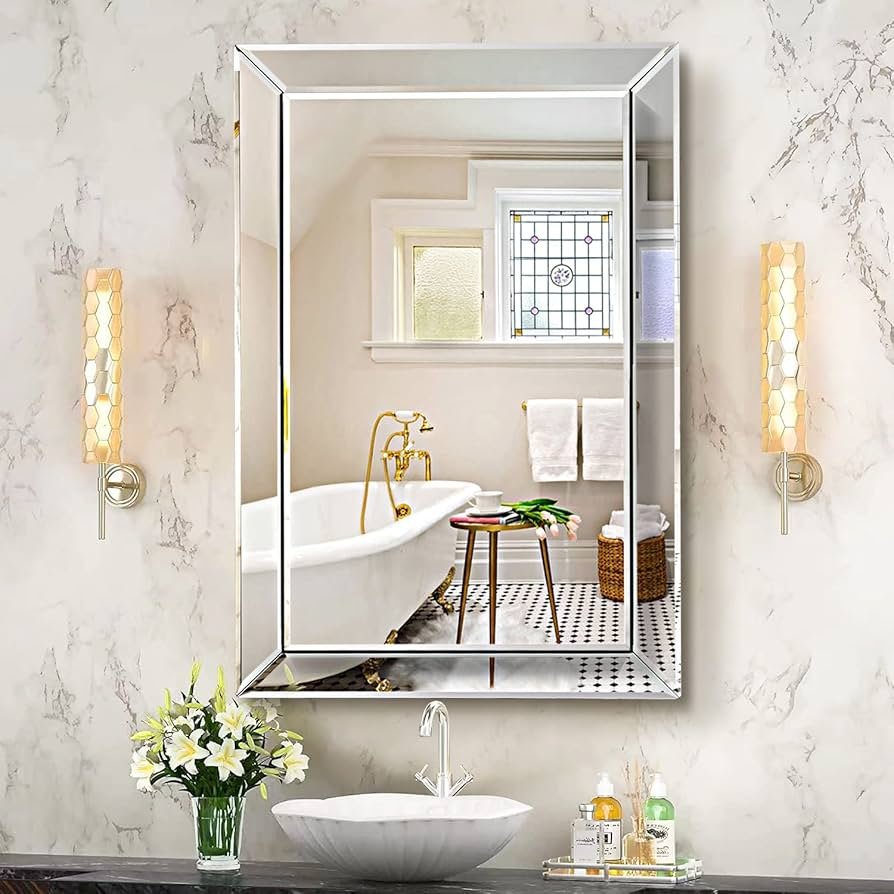
The mirror is usually the focal point of a small bathroom. In the modern organic world, we want something that doesn’t feel like a heavy frame is “trapping” the reflection. A large, circular mirror with a very thin black or wood frame is the gold standard here. The round shape breaks up all the straight lines of the tile and vanity.
I’m currently obsessed with “pill-shaped” or arched mirrors. They feel a bit more modern and architectural. If you can, go as large as possible. A big mirror reflects more light and more of the room, which is the oldest trick in the book for making a closet-sized bathroom feel like a master suite.
Whatever you do, stay away from those dated, builder-grade mirrors that are just glued to the wall with plastic clips. They scream “apartment living” in the worst way. If you have one, you don’t even have to take it down—you can build a simple wood frame right over the top of it using some liquid nails and mitered 1×2 boards.
One tip: make sure the mirror is hung at the right height. I once hung a mirror so high my shorter guests could only see the tops of their foreheads. Aim for the center of the mirror to be at eye level (roughly 60 inches from the floor).
9. Woven Baskets for Hidden Storage
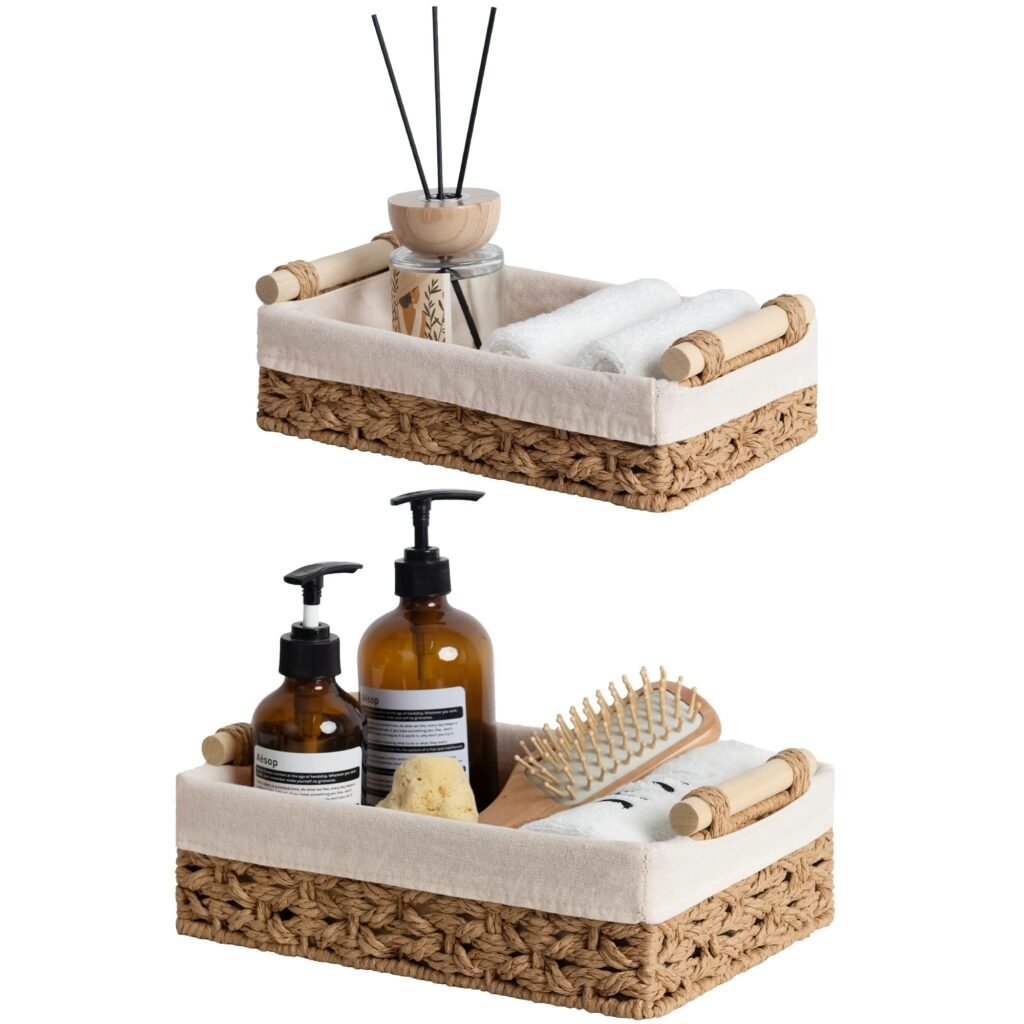
Since we’re getting rid of big cabinets, we need a place for the “ugly” stuff—the extra rolls of TP, the hairdryer, the cleaning supplies. Woven baskets are your best friend. Seagrass, jute, or wicker adds another layer of “organic” texture while hiding the clutter.
I like to use a large basket on the floor next to the toilet for extra rolls. It’s functional but looks like a decor choice. On your open shelves, use smaller matching baskets to corral things like makeup or medicine. It keeps the “visual noise” down to a minimum.
The mistake I made early on was buying baskets that were too small. They just ended up looking like more clutter. Go for fewer, larger baskets that fit your shelves perfectly. It looks cleaner and more custom. Also, make sure they have a liner if you’re storing anything that might snag, like delicate washcloths.
Bonus points if you find baskets with a bit of a “handmade” look—maybe some slight variations in the weave or color. That’s the “organic” part coming through. It makes the room feel curated over time rather than bought all at once from a big-box store.
10. Concrete Accessories for an Industrial Edge
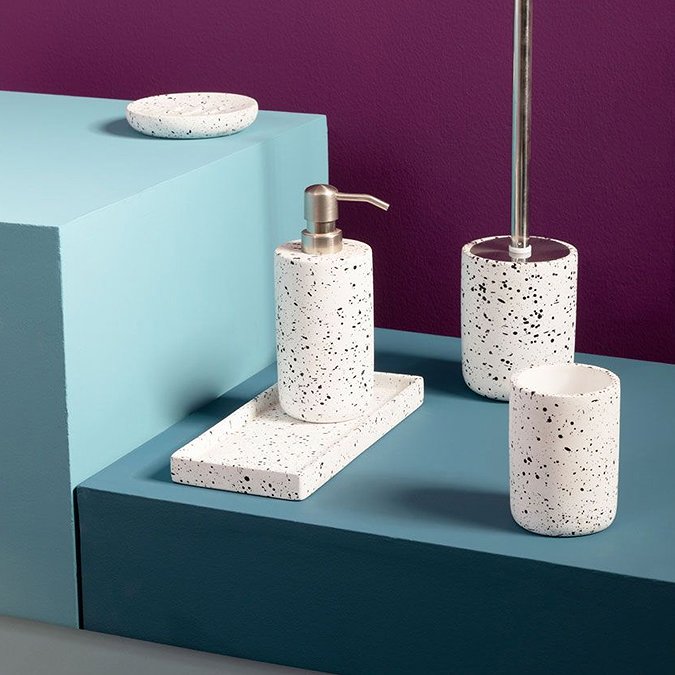
To keep the “modern” in “modern organic,” you need a few industrial elements. Concrete is perfect for this. It’s earthy because it’s basically just stone and sand, but it has those clean, brutalist lines that look so cool. A concrete soap dispenser or a heavy concrete tray for your perfumes adds a lot of “weight” to the design.
I actually tried to DIY my own concrete countertop once. Let’s just say there’s a reason professionals charge a lot for it. It was lumpy, it cracked, and it weighed about 400 pounds. For a small space, stick to concrete accessories instead of full-scale structural elements.
The gray of the concrete looks stunning against light wood like white oak. It’s a sophisticated color palette that feels very “Pacific Northwest Spa.” If you find concrete too “cold,” look for “cement-look” ceramics that have a slightly smoother, warmer finish.
Just a heads up: concrete is porous. If you’re using a concrete soap dish, make sure it’s sealed, or the soap will eventually soak in and leave a permanent dark spot. Most high-end decor pieces come pre-sealed, but it’s always worth checking the bottom to be sure.
11. Subtle Wall Textures Like Limewash
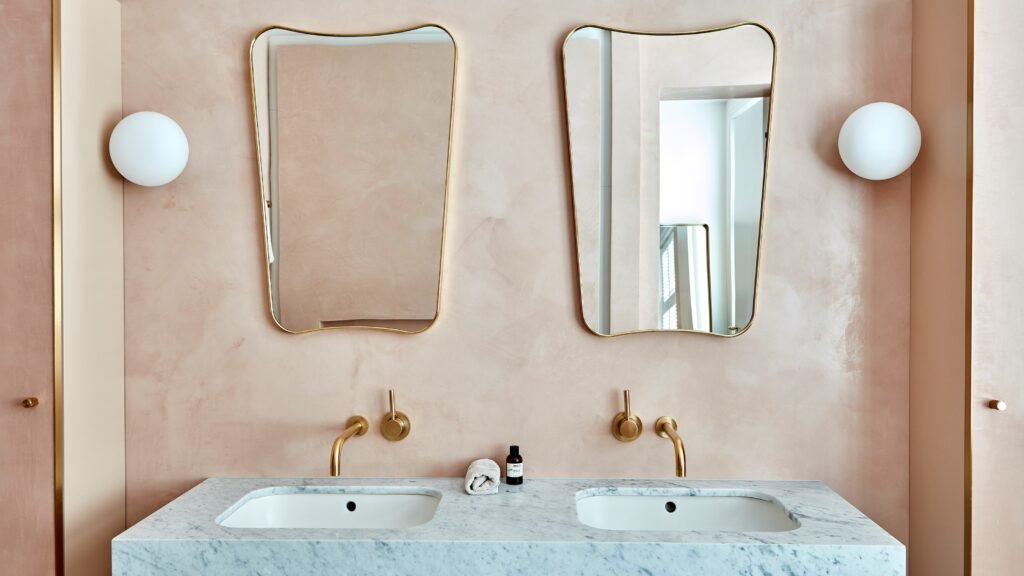
Flat, matte paint is fine, but if you want to go full “Modern Organic,” you should look into limewash or Roman clay finishes. These aren’t your grandma’s sponge-painted walls from the 90s. This is a subtle, mottled texture that looks like old European stone walls. It’s incredibly calming and adds massive depth to a small room.
I used limewash in my guest bath last year, and it changed everything. Because it’s made from natural lime and pigments, it “breathes” and actually helps regulate humidity. Plus, it has this soft, velvety look that changes depending on how the light hits it.
The trick is to keep the color very neutral—beige, soft gray, or a “greige.” You don’t want a “feature wall” in a small bathroom; you want the texture to wrap around the whole space. It makes the corners of the room disappear, which, again, makes the space feel larger.
It’s a bit more work than standard painting because you apply it in a “cross-hatch” motion with a big brush, but it’s very forgiving. You can’t really mess it up because the “imperfections” are the whole point. Just make sure you apply a breathable sealer over it if it’s going to be in a high-splash zone.
12. Minimalist Lighting with Natural Materials
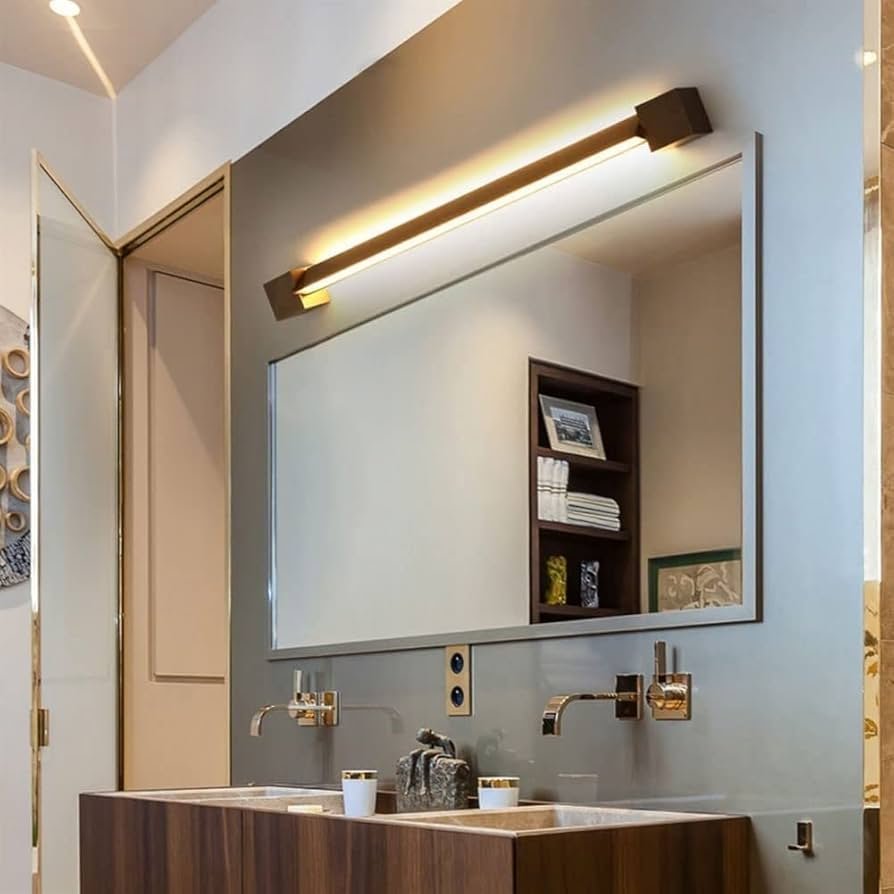
Please, for the love of all things holy, get rid of those “boob lights” (you know, the flush-mount frosted glass domes). Lighting is the jewelry of the room. For an organic look, look for sconces that feature wood accents, smoked glass, or even woven shades.
I’m a big fan of mounting sconces on either side of the mirror rather than one big “vanity bar” above it. Side lighting is much more flattering for your face—no harsh shadows under your eyes! In a small space, sleek, vertical sconces take up very little room but make a huge statement.
If you have the height, a small pendant light in a corner can add a lot of drama. I once hung a woven rattan pendant over a clawfoot tub in a tiny bathroom, and it felt like a five-star hotel. It’s all about creating layers of light rather than one blinding overhead bulb.
Quick Side Note: Always use “warm” bulbs (around 2700K to 3000K). “Daylight” bulbs (5000K+) are too blue and will make your beautiful wood and stone look like a cold hospital wing. You want that cozy, sunset-vibe glow.
13. High-Quality, Neutral Linens
Finally, don’t skimp on the towels. You can do everything else right, but if you hang a thin, scratchy, neon-purple towel on the rack, the whole “modern organic” vibe dies. Invest in some heavy-weight Turkish cotton or linen-blend towels in shades of white, cream, or charcoal.
I prefer “waffle weave” towels for this look. They’re very “spa-like” and they dry much faster than plush terry cloth, which is a major plus in a small, poorly ventilated bathroom. They also look beautiful when folded or rolled up in those baskets we talked about earlier.
I once bought a set of “luxury” towels that shed so much lint I looked like a yeti every time I dried off. Stick to reputable brands and look for “long-staple cotton.” It’s more durable and stays soft longer.
Think of your towels as part of the decor, not just a utility. A single, perfectly draped linen hand towel on a matte black ring can be the finishing touch that ties the whole room together. It’s the small details that make a DIY project look like a professional renovation.
The Real Talk: What’s Not Worth Your Time
I’ve spent thousands of dollars and hundreds of hours on DIY projects, and here is the cold, hard truth: don’t try to “fake” high-end materials in a high-moisture environment.
- Peel-and-stick “stone” wallpaper: It looks great for about a week. Then the steam from the shower starts to melt the adhesive, and it peels off like a bad sunburn. If you want wall texture, use paint or tile.
- Cheap “wood” contact paper on counters: Just don’t. It bubbled on me within forty-eight hours. If you want wood, save up for a real butcher block or a solid wood vanity.
- Over-decorating: In a small bathroom, less is almost always more. If you have to move three vases just to reach your toothbrush, you’ve failed. Pick three or four high-quality “organic” pieces and let them breathe.
Modern organic is about tranquility. If your bathroom feels “busy,” it’s not organic; it’s just messy.
Parting Wisdom
Transforming a cramped bathroom into a modern organic sanctuary isn’t about how much money you spend; it’s about the balance between “clean” and “natural.” Start with the big things—the vanity and the floor—and then layer in the textures. And for heaven’s sake, double-check your measurements before you buy that “perfect” mirror!
I’ve made the mistakes so you don’t have to. Take it one step at a time, and don’t be afraid to leave a little “empty space.”
What’s the biggest struggle you’re facing with your small bathroom layout right now? Let me know in the comments below—I’d love to help you troubleshoot your space!