
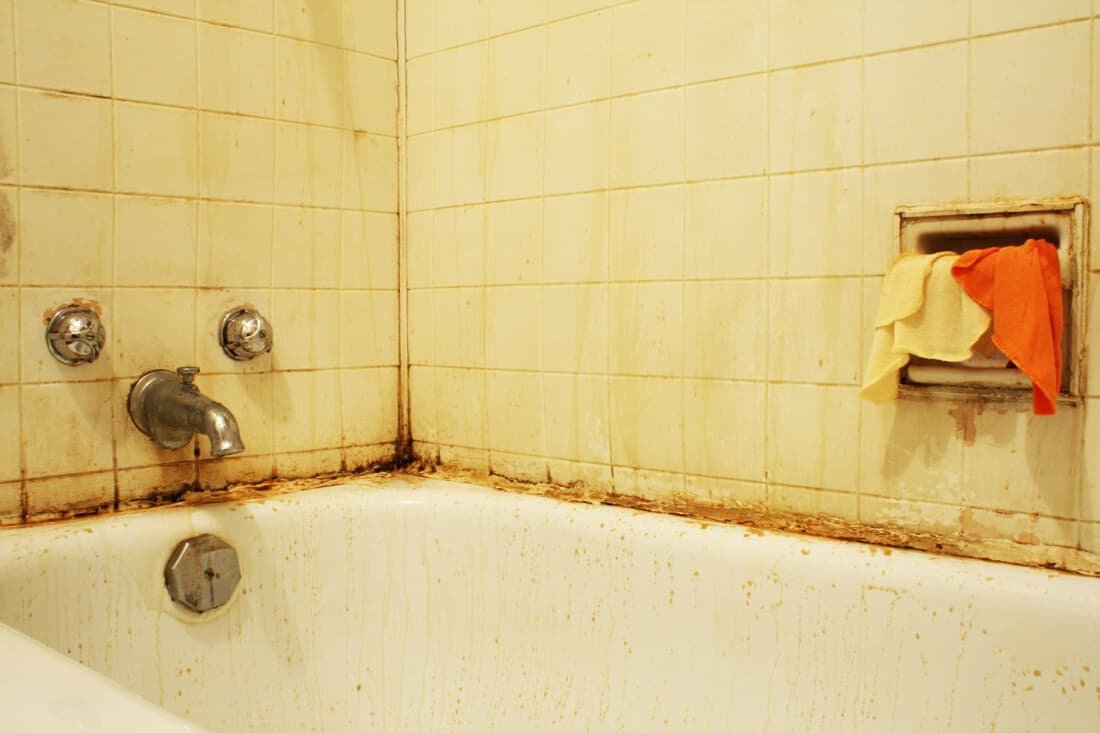
I’ve spent more Saturdays than I’d like to admit on my hands and knees, lightheaded from bleach fumes, wondering why the black spots in my shower keep coming back like a bad sequel. After a decade of remodeling old houses—and one memorable incident where I accidentally dyed my favorite rug “Clorox White”—I’ve learned that the “nuclear option” isn’t always the best one.
You want a clean bathroom, but you don’t want your house to smell like a chemistry lab. I get it. Most of the stuff you buy at the big-box stores is overkill for everyday mold, and frankly, it’s nasty for your lungs. I’ve tried every “natural” hack in the book, from the ones that actually work to the ones that just make your bathroom smell like a salad.
Here is the truth: you don’t need a gas mask to kill mold. You just need a few basic pantry staples and a little bit of patience. If I can save you the headache I had back in 2014 when I mixed the wrong cleaners (never do that, by the way), then I’ve done my job. Let’s get into the stuff that actually clears out the gunk without the toxic hangover.
1. Distilled White Vinegar for Mold Removal
If you’ve got a spray bottle and five minutes, you’ve got a mold killer. I used to think vinegar was just for pickling, but it’s actually an acidic powerhouse that kills about 82% of mold species. It’s my go-to for porous surfaces like drywall because it sinks in deep instead of just sitting on top.
The trick is to use it straight. Don’t water it down! I made that mistake in my first fixer-upper and the mold just laughed at me. Buy the cheap gallon jugs of white distilled vinegar—the 5% acidity stuff—and pour it directly into a spray bottle. It’s much more effective than the pricey “green” cleaners that are mostly water anyway.
When you spray it, don’t wipe it off right away. Let it sit for at least an hour. I usually spray the shower, go grab a coffee, and come back once the vinegar has had time to eat away at the mold’s root system. Yes, your bathroom will smell like a fish and chip shop for an hour, but it’s better than smelling like a swimming pool.
Once the hour is up, scrub the area with hot water and a stiff brush. I’ve found that an old toothbrush is a lifesaver for those tiny grout lines. Rinse it clean, and make sure the area dries completely. If you’ve got a persistent spot, don’t be afraid to do it twice. This is the cheapest, easiest way to keep your bathroom from becoming a science experiment.
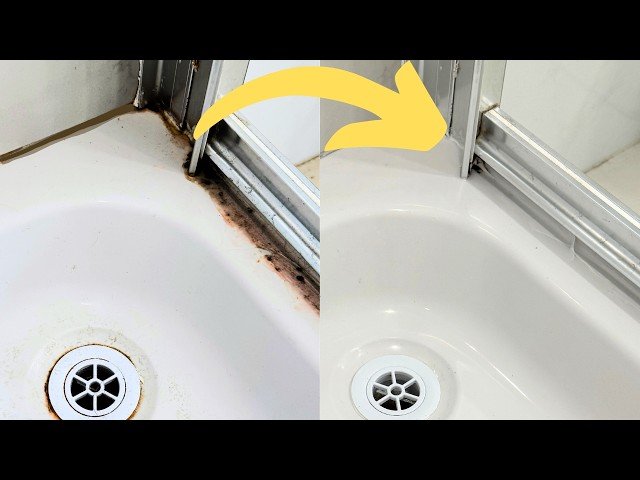
2. Hydrogen Peroxide for Grout Cleaning
Hydrogen peroxide is the unsung hero of the medicine cabinet. It’s basically water with an extra oxygen molecule ($H_2O_2$), and that extra “O” is a nightmare for mold spores. It’s an anti-fungal, anti-viral, and anti-bacterial agent that doesn’t leave behind a toxic residue or a lingering scent.
I love using this on tile grout because it acts as a mild bleach without the corrosive side effects. I once tried to “brighten” my grout with a heavy-duty industrial acid, and I ended up eating a hole right through the sealant. Learn from my stupidity: use the 3% hydrogen peroxide you find in the brown bottle at the drugstore. It’s gentle on your tile but tough on the fuzz.
To use it, just spray it onto the moldy area until it’s saturated. You’ll see it start to bubble and fizz—that’s the oxygen doing the dirty work. Let it sit for about 10 to 15 minutes. It’s oddly satisfying to watch it work, like a tiny little war happening on your bathroom wall.
After the fizzing stops, scrub the area to lift the loosened mold and rinse with water. One thing to keep in mind: peroxide can fade some colored fabrics, so keep it away from your fancy towels. But for white grout and porcelain tubs? It’s a total game-changer. I keep a bottle under every sink in my house now.
3. Baking Soda Paste for Tough Stains
Baking soda is the gentle giant of the DIY world. It’s alkaline, which is the opposite of vinegar, and mold hates it just as much. Plus, it’s a natural deodorizer. If your bathroom has that “damp basement” smell, baking soda is going to be your best friend.
I usually mix it with a tiny bit of water to create a thick paste, about the consistency of toothpaste. I remember trying to just sprinkle dry baking soda on a vertical shower wall—spoiler alert: gravity wins every time. Making a paste allows the cleaner to stick to the moldy spots on your walls or the underside of the faucet.
Apply the paste to the moldy area and let it dry. As it dries, it pulls the moisture and the mold spores right out of the surface. Once it’s crusty, spray a little water (or vinegar if you want that fun elementary school volcano reaction) and scrub it off. It’s mildly abrasive, so it physically rubs the mold away without scratching your surfaces.
I’ve found that using baking soda is the only way to get that stubborn black mold out of the corners of a plastic shower curtain liner. Just throw the liner in the wash with a half-cup of baking soda, and it comes out looking brand new. It’s way cheaper than buying a new liner every three months like I used to do.
4. Tea Tree Oil Mold Spray
If you want to feel like you’re at a high-end spa while you’re cleaning the toilet, tea tree oil is the way to go. It’s an essential oil that is naturally antimicrobial. While it’s more expensive than vinegar, a little bit goes a very long way. It’s the “heavy hitter” in my natural cleaning kit.
I usually mix two teaspoons of tea tree oil with two cups of water in a spray bottle. Shake it up well because oil and water don’t like to mix. I’ll be honest: the smell is strong. It’s medicinal and piney. My husband says it smells like a forest exploded in our bathroom, but I find it refreshing compared to the alternative.
The best part about tea tree oil is that you don’t have to rinse it off. In fact, it’s better if you don’t. After you’ve cleaned the mold away with your vinegar or baking soda, spray a light mist of the tea tree solution over the area. It creates a protective barrier that prevents new mold spores from landing and taking root.
I started doing this on the ceiling above my shower—a spot that used to get moldy every single winter—and I haven’t seen a speck of black in two years. It’s a bit of an investment upfront for the oil, but considering you only use a few drops at a time, one bottle will last you through a decade of deep cleans.
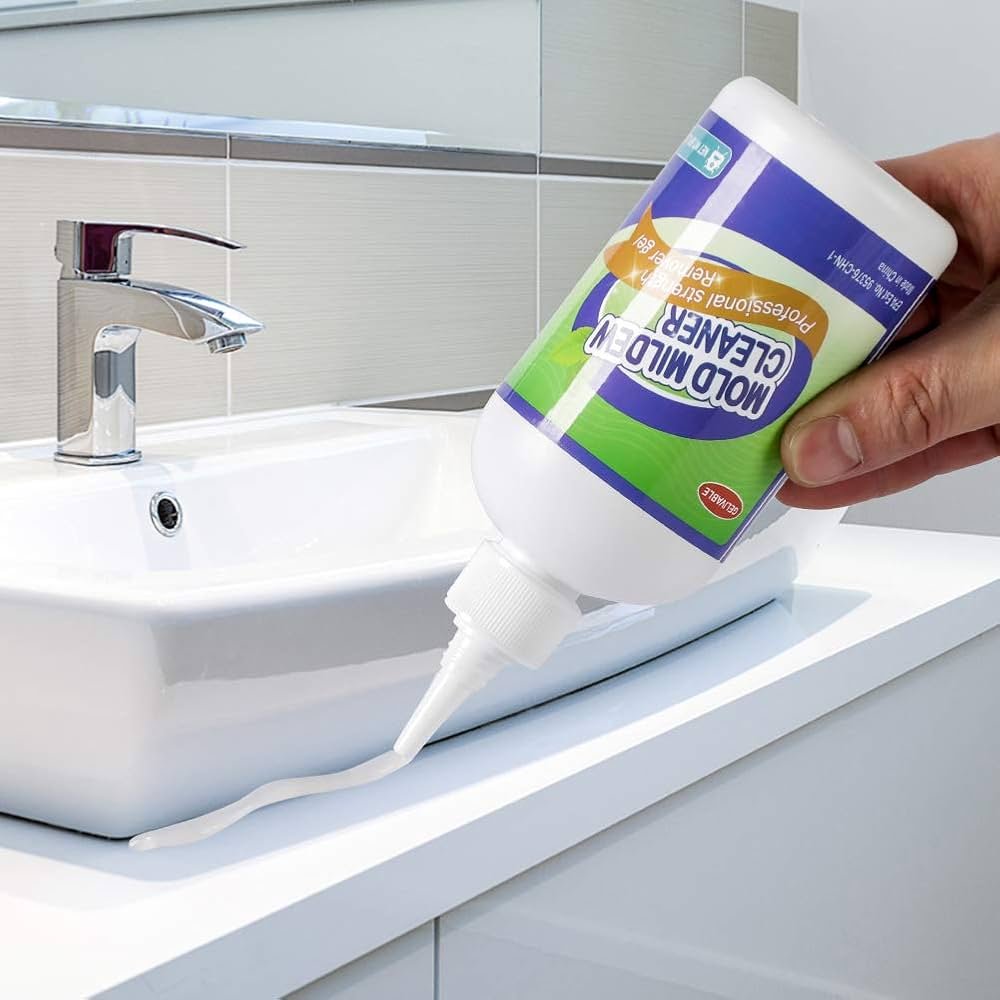
5. Borax for Long-Term Prevention
Borax is a natural mineral that often gets a bad rap because it’s a powder, but it’s actually very safe as long as you don’t eat it. It’s a classic cleaner that our grandparents used for a reason: it works. It has a high pH level that makes it impossible for mold to survive.
I like to use Borax on surfaces I don’t plan on rinsing, like the back of a vanity or the wood framing under a sink. You mix one cup of Borax with a gallon of water. Use a brush to scrub the solution into the moldy area, wipe away the excess, and then just leave it there.
Because Borax is a natural salt, it stays on the surface and continues to kill any mold that tries to grow back. It’s like a “no-fly zone” for fungus. I used this in a damp corner of my laundry room after a pipe leak, and despite the humidity, the mold never returned. It’s the ultimate “set it and forget it” solution.
Just a heads up: it can leave a white, powdery residue if you use too much. If you’re using it on dark tile, you might want to dilute it more or wipe it down once it’s done its job. But for hidden areas or white porcelain, it’s a powerhouse.
6. Grapefruit Seed Extract
If you absolutely hate the smell of vinegar and tea tree oil makes your nose wrinkle, grapefruit seed extract is your savior. It’s virtually odorless, which is a miracle in the world of natural cleaners. It contains polyphenols that are incredibly effective at killing fungi and bacteria.
You only need about 10 to 20 drops of the extract mixed with two cups of water. Similar to the tea tree oil, you just spray it on and leave it. I’ve found this works wonders on bathroom rugs and fabric shower curtains that have started to smell a little musty.
I’ll be real with you—this stuff is pricey. I usually save it for “special occasions” or areas where I can’t stand the smell of vinegar, like the guest bathroom right before company arrives. It’s a great way to keep things fresh without alerting your guests that you just did a deep-clean of the mildew in the corner.
The shelf life of the mixture is also great. You can mix up a bottle and keep it under the sink for months without it losing its potency. It’s a clean, easy, and scent-free way to handle mold that actually works better than most of the chemicals I’ve tried over the years.
7. Lemon Juice as a Natural Whitener
Lemon juice is nature’s bleach. It’s highly acidic and has that clean, citrusy scent that everyone loves. While it’s not as strong as vinegar or tea tree oil, it’s a fantastic supplemental cleaner, especially if you’re dealing with mold on metal fixtures or glass.
I love using fresh lemon juice on my chrome faucets. Mold and soap scum tend to build up around the base of the handles, and the citric acid cuts through it like butter. Plus, it leaves the metal shining like it’s brand new. I once spent an hour polishing my bathroom fixtures with a high-end cream only to realize a 50-cent lemon did a better job.
For a really tough spot, you can mix lemon juice with some salt to create a scrub. The salt adds abrasion and the lemon kills the mold. Apply it to the grout, let it sit for 10 minutes, and scrub. It smells amazing and it’s safe enough that you could technically eat it (though I wouldn’t recommend it after it’s touched your shower floor).
One quick tip: don’t use lemon juice on natural stone like marble or granite. The acid can “etch” the stone, leaving dull spots that are a nightmare to fix. Stick to porcelain, ceramic, and metal, and you’ll be golden.
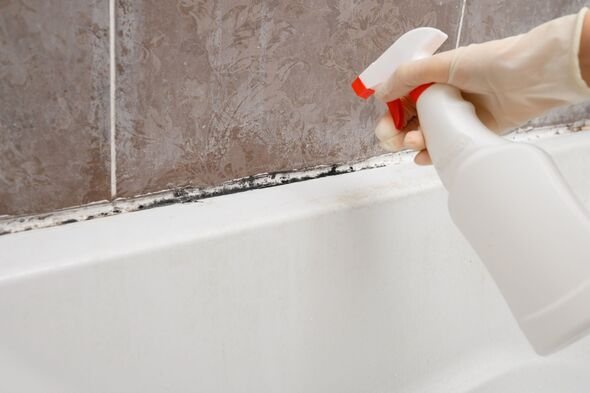
8. Isopropyl Alcohol for Hard Surfaces
Sometimes you need something that evaporates fast. That’s where rubbing alcohol comes in. It’s a strong disinfectant that dries almost instantly, which is key because mold loves moisture. If you can kill the mold and dry the surface at the same time, you’re winning.
I keep a spray bottle of 70% isopropyl alcohol for quick wipe-downs of my bathroom mirror frame and the window sill. It kills mold spores on contact. I remember one humid summer where the window sills in my bathroom were constantly fuzzy. I started giving them a quick spritz of alcohol every morning, and the problem vanished.
It’s also great for cleaning your tools. After you’ve used a brush to scrub mold, dip it in alcohol to make sure you aren’t just spreading spores around the next time you clean. It’s a simple step that most people skip, but it makes a huge difference in keeping the mold from “traveling” around the house.
Because it’s flammable and the fumes can be strong, make sure you have the fan running or a window open. And don’t use it near an open flame—I’m assuming you aren’t lighting candles while you clean, but hey, I’ve seen weirder things in my years of DIY.
Real Talk: When Natural Isn’t Enough
I love natural solutions. I really do. But I’m also a realist. There are times when a spray bottle of vinegar is like bringing a toothpick to a sword fight.
If you peel back a piece of wallpaper and see a wall that looks like it’s covered in black velvet, stop. That is a professional job. Trying to DIY a massive mold infestation can actually make it worse by sending millions of spores into your HVAC system. I once tried to “just scrub” a moldy patch in a basement and ended up making my whole family sneeze for a month.
Also, natural cleaners won’t fix a leak. You can spray tea tree oil until you’re blue in the face, but if there’s a leaky pipe behind your shower wall, that mold is coming back. Fix the water problem first, then worry about the cleaning.
And a quick note on “Natural” store-bought cleaners: Read the labels! I’ve seen products labeled “Natural Citrus Power” that still have synthetic fragrances and phthalates. If you can’t pronounce it, you probably don’t want to be breathing it in a small, windowless bathroom.
Parting Wisdom
The best way to “clean” mold is to never let it grow in the first place. My #1 tip? Get a squeegee. It takes 30 seconds to wipe down the walls after a shower, but it removes 90% of the moisture that mold needs to survive. It’s the cheapest “cleaner” you’ll ever buy.
What’s the weirdest thing you’ve ever found growing in your bathroom? (Don’t worry, this is a judgment-free zone—I once found a mushroom growing out of a floorboard!) Let me know in the comments below, or hit me up if you’re stuck on a specific moldy mess!