

So, your tile looks like it’s been auditioning for a role in a post-apocalyptic movie, and the “white” grout has turned a shade of “mystery gray” that no amount of wishful thinking can fix. I’ve been there. In fact, I once spent an entire Saturday scrubbing my primary bathroom with a designer cleaner that smelled like a chemical plant and cost more than my first car’s alternator, only to realize I’d actually bleached my bathmat and given myself a migraine.
After 12 years of tearing down walls and retiling backsplashes, I’ve learned that the heavy-duty, toxic stuff is usually overkill. You don’t need a hazmat suit to get your kitchen looking fresh again. Most of the time, the best solutions are sitting in your pantry right next to the snacks. Here is my hard-earned, slightly scarred advice on how to get that grout sparkling without melting your lungs.
Best Homemade Grout Cleaner with Baking Soda
If you aren’t using baking soda, are you even DIY-ing? This is the undisputed heavyweight champion of the cleaning world. I call it “the grit that gets it.” The magic happens because baking soda is mildly abrasive but won’t scratch your expensive ceramic or porcelain. I remember trying to use a metal wire brush on my first subway tile project back in ’14—big mistake. I scratched the glaze so badly it looked like a cat had used the wall as a scratching post.
To make the ultimate paste, mix about three parts baking soda with one part water. You want it thick, like toothpaste, not runny like a bad pancake batter. If it drips off the wall, it’s not doing its job. I’ve found that the “runny” mistake is why most people give up; they spend more time wiping the floor than cleaning the cracks. Apply it generously to the grout lines and let it sit for at least 15 minutes.

While you wait, grab a coffee. The baking soda is doing the microscopic heavy lifting, breaking down the oils and soap scum that hold onto dirt. If you just slap it on and scrub immediately, you’re working ten times harder than you need to. I’m a big fan of working smarter, mostly because my knees aren’t what they used to be after a decade of floor installs.
When the time is up, use a stiff-bristled nylon brush. Don’t use your spouse’s old toothbrush unless you’re looking for a divorce; get a dedicated grout brush with angled bristles. Scrub in a circular motion. You’ll see the paste turn from white to a muddy brown. That’s the “victory color.” Wipe it away with a damp microfiber cloth, and you’ll actually see the original color of your grout for the first time in years.
Hydrogen Peroxide for Moldy Grout Lines
Hydrogen peroxide is the secret weapon that Pinterest influencers usually overlook because it’s not as “aesthetic” as a lemon wedge. But let me tell you, if you have black spots in your shower grout, lemons aren’t going to cut it. Those spots are usually mold or mildew, and they’re living deep inside the porous grout. I once ignored a tiny spot in my guest shower for a month, and by the time I checked again, it looked like a science experiment gone wrong.
Hydrogen peroxide ($H_2O_2$) is a natural whitener and disinfectant. Unlike chlorine bleach, it doesn’t leave behind that suffocating “public pool” smell, and it breaks down into just water and oxygen. It’s incredibly eco-friendly because it doesn’t leave toxic residue in the water supply. I keep a spray bottle of the 3% stuff (the cheap brown bottle from the drugstore) under every sink in my house.
For the really stubborn, dark stains, mix your hydrogen peroxide with that baking soda paste we just talked about. This creates a bubbling oxygenated scrub. When the two meet, they create a chemical reaction that literally fizzes the dirt out of the pores of the grout. It’s satisfying to watch, honestly. Just make sure you don’t store this mixture in a closed container—it builds up pressure and can “pop” the lid, which I learned the hard way in my laundry room cabinets.
Apply the bubbling mix, let it sit for 10 minutes, and then scrub. It’s particularly effective on floor grout that has seen a lot of foot traffic or spilled coffee. If your grout was originally a dark color like charcoal or chocolate, do a tiny test spot first. Hydrogen peroxide is a mild bleacher, and while it’s safer than industrial chemicals, you don’t want to turn your trendy dark grout into a patchy, faded mess.
Cleaning Grout with Vinegar and Dish Soap
Vinegar is the Swiss Army knife of home maintenance. However, there is a massive “proceed with caution” sign here: Never use vinegar on natural stone. If you have marble, travertine, or limestone, the acid in vinegar will etch the stone, leaving dull, permanent spots. I once “cleaned” a client’s Carrara marble floor with a vinegar solution early in my career, and I ended up paying to have the whole floor professionally honed and polished. I still have nightmares about that invoice.
But, if you have standard ceramic or porcelain tile, vinegar is a degreasing powerhouse. Mix equal parts white distilled vinegar and warm water in a spray bottle, then add about a tablespoon of a plant-based dish soap. The soap helps the vinegar cling to the vertical surfaces of your shower walls instead of just running straight down the drain.

The acidity in the vinegar cuts through mineral deposits (that white crusty stuff from hard water) and the dish soap tackles the body oils and soap scum. Spray it on and let it dwell for 5 to 10 minutes. You want the acid to have time to eat through the buildup. If you’ve got a kitchen backsplash covered in bacon grease from three years of Sunday brunches, this is the solution you want.
A quick side note: The smell of vinegar can be… pungent. If you feel like you’re living inside a pickle jar, add a few drops of lemon or eucalyptus essential oil to the mix. It won’t make the cleaner more effective, but it will make the experience a lot less offensive to your nose. Once you’re done scrubbing, rinse the area thoroughly with plain water to neutralize the acidity.
Steam Cleaning Grout Without Chemicals
If you want the absolute “greenest” way to clean, you have to go with steam. No powders, no liquids, just highly pressurized water vapor. I bought my first canister steam cleaner about six years ago when I realized I was spending $50 a month on various cleaning supplies. It felt like a big upfront cost, but it paid for itself in six months. Plus, it’s the only thing that actually gets the grime out of the tiny corners where the floor meets the baseboards.
Steam cleaners work by heating water to over 200°F and blasting it through a small nozzle. The heat melts the grease and kills 99% of bacteria and dust mites instantly. It’s like a pressure washer for your bathroom, but without the flooded floors. I find it’s the best way to clean grout if you have kids or pets crawling around and you don’t want them touching any residues, even the eco-friendly ones.
The technique is simple: attach the small nylon brush tool to the wand, pull the trigger, and move slowly along the grout line. You’ll see the dirt literally liquefy and “weep” out of the grout. You need to keep a microfiber towel in your other hand to wipe up the dirty water immediately. If you don’t wipe it up while it’s hot, the dirt will just settle back into the grout as it cools, and you’ll be right back where you started.
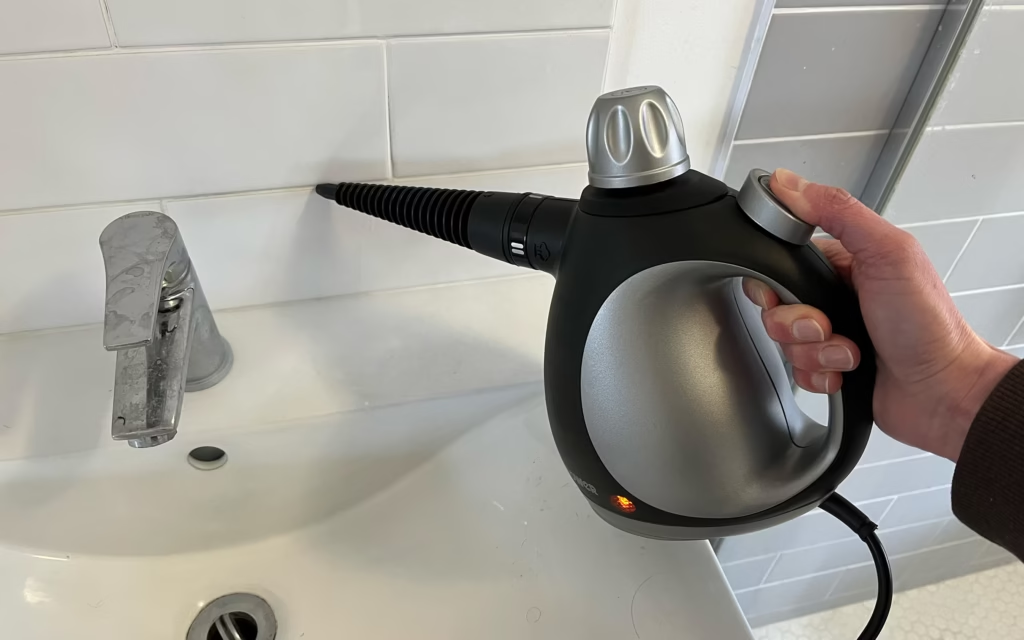
Just a warning: be careful around the edges of your mirrors or any loose tiles. The intense heat can sometimes soften old, failing adhesives or cause a cheap mirror to crack if it’s freezing cold in the room. I once got a bit too enthusiastic with the steam near an old “builder-grade” mirror and ended up with a silvering issue on the edges. Keep the steam moving and don’t linger on one spot for more than a few seconds.
Using Oxygen Bleach for Deep Stains
Don’t confuse oxygen bleach (like OxiClean or the generic sodium percarbonate) with the chlorine bleach that smells like a chemistry lab. Oxygen bleach is a powder that releases oxygen when mixed with water. It’s color-safe, mostly odorless, and won’t ruin your clothes if you accidentally splash some on your jeans. I use this for the “disaster zones”—the mudrooms where the dogs sleep or the laundry room floors.
To use it effectively, dissolve the powder in warm water according to the package instructions. You want it fully dissolved, or the little granules will just sit there and do nothing. Pour the solution onto the floor grout (this works best for floors rather than walls) and let it “flood” the grout lines. You want the grout to be completely saturated.
Let it sit for at least 30 minutes. This is a slow-motion cleaning process. The oxygen bubbles are working their way deep into the grout’s sandy structure to lift out years of ground-in dirt. I usually do this when I’m binge-watching a show because you need to occasionally pour a little more on to keep the grout wet. If it dries out, the cleaning action stops.
After the soak, give it a quick scrub with your brush. The dirt should come up with almost zero effort. It’s honestly a bit like magic. Rinse the floor with clean water twice to make sure you’ve removed all the salt-like residue the oxygen bleach can leave behind. This is the closest you can get to “professional results” without actually hiring a guy with a truck-mounted vacuum system.
The Real Talk: What’s Not Worth Your Time
I’m going to be honest with you—sometimes, grout is just too far gone. If your grout is crumbling, falling out in chunks, or has been stained by something permanent like wood stain or industrial dye, no amount of baking soda is going to save it. I’ve seen people spend days trying to “clean” grout that actually needed to be scraped out and replaced. If it’s sandy and falling out when you touch it, put the brush down and go buy a grout saw.
Also, those “Grout Pens” you see in the “As Seen on TV” aisle? In my experience, they are mostly a temporary band-aid. They’re basically just paint. They look great for about a week, but as soon as you mop or take a hot shower, they start to peel or flake. If you want to change the color of your grout, use a professional grout colorant and sealer. It’s a tedious job—you have to “paint” every single line with a tiny brush—but it actually lasts for years.
Lastly, please stop using sandpaper on your grout. I’ve seen this “hack” floating around online. Yes, it removes the top layer of dirt, but it also removes a layer of the grout itself. Do that a few times, and you’ll have deep divots in your floor that catch even more dirt, or worse, you’ll expose the thin-set underneath. Stick to the liquids and the soft brushes.
Parting Wisdom
The absolute best way to keep your grout clean is to seal it. Most people forget this step. Grout is essentially a hard sponge; it has thousands of tiny holes that soak up dirty mop water. Once you get your grout clean using one of these methods, let it dry for 48 hours and then apply a high-quality, breathable sealer. It’s a 20-minute job that will save you from having to do this whole “scrubbing on your hands and knees” routine again next year.
Trust me, your future self (and your knees) will thank you.
Do you have a “disaster” cleaning story where a “life hack” went horribly wrong? Or maybe a secret ingredient I missed? Drop a comment below—I’d love to hear your DIY wins and fails!


