
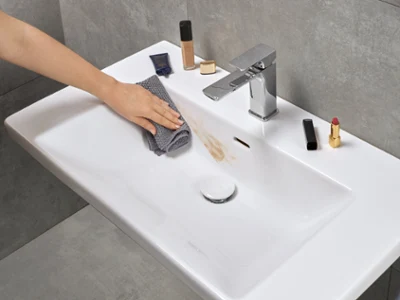
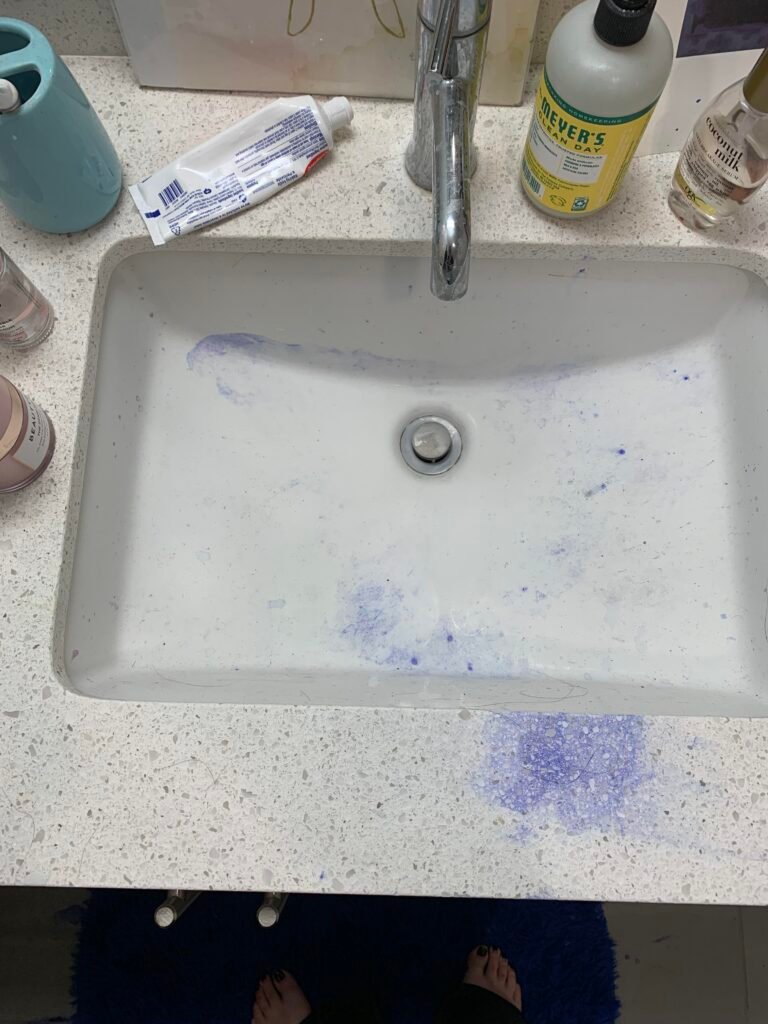
Picture this. You just finished rinsing out the “Midnight Raven” or “Electric Orchid,” you feel like a brand-new human, and then you see it: a neon-purple splatter across your pristine white porcelain. It looks like a unicorn exploded in your bathroom.
I’ve been there more times than I’d like to admit. There was that one time in 2014 when I tried to go platinum blonde and ended up with a sink that looked like it had a permanent “bruise” because I used a toner that stayed on the ceramic longer than it did on my head. Twelve years of DIY remodeling has taught me that bathroom surfaces are surprisingly porous, and hair dye is basically liquid regret if you don’t act fast.
You don’t need to replace the vanity or call in a professional restoration crew. You just need some basic chemistry and a little bit of elbow grease. Here are the five best ways to get hair dye off your sink without eating through your finish.
1. Rubbing Alcohol: The Best Way to Remove Hair Dye from Countertops
If you catch the stain while it’s still relatively fresh, isopropyl alcohol is your absolute best friend. I keep a bottle under every sink in my house because it’s a solvent, meaning it breaks down the chemicals in the dye before they can fully bond with the surface of your sink. It’s particularly effective on non-porous materials like laminate or acrylic.
When I was first starting out in home Reno, I thought I could just use water and a rag. Big mistake. Water just spreads the pigment around, turning a small dot into a massive smudge. Alcohol, on the other hand, lifts the color. Grab a cotton ball or a clean white rag—never use a colored towel unless you want to ruin that too—and soak it in the alcohol.
Rub the stain in a circular motion, starting from the outside and moving inward. This prevents the “bleeding” effect. You might need to do this three or four times. If the stain is being stubborn, I like to soak a paper towel in the alcohol and let it sit directly on the spot for about five minutes. It’s like a mini-spa treatment for your sink, except instead of relaxation, it’s a chemical extraction.
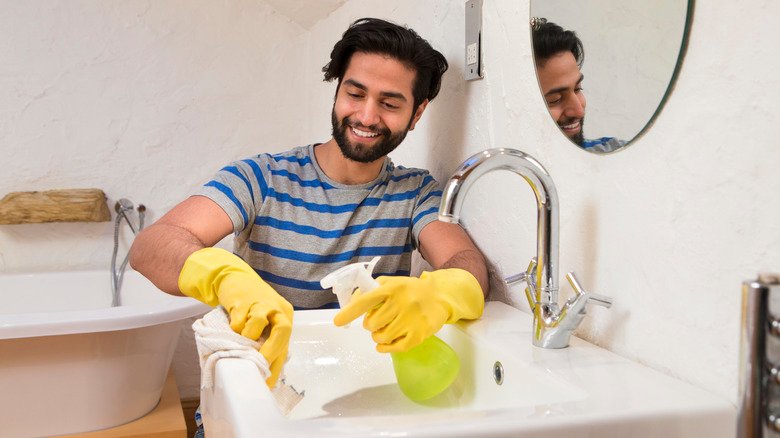
2. Baking Soda and Water: A Natural Cleaner for Bathroom Stains
If you’re worried about harsh fumes or you’re working on a surface that’s a bit more delicate, reach for the baking soda. I call this the “old reliable” of the DIY world. It’s mildly abrasive, which means it provides just enough grit to scrub away the dye without scratching the life out of your finish. I once tried using a heavy-duty scouring pad on a fiberglass tub—let’s just say I’m still buffing out those scratches ten years later. Don’t be like me.
To make this work, you want to create a thick paste. We’re talking the consistency of Greek yogurt, not a runny soup. Mix three parts baking soda with one part water. Smear that paste over the dye stains and let it dry completely. As it dries, it literally pulls the pigment out of the microscopic pores of the sink.
Once it’s dry, take a damp sponge and scrub. You’ll see the paste turn the color of the dye. It’s weirdly satisfying, like one of those pore strips for your nose but for your plumbing. Rinse it down with warm water, and if there’s still a ghost of a stain left, hit it one more time. This is the safest method if you have kids or pets running around who might lick the sink (don’t ask why, they just do).
3. Acetone or Nail Polish Remover for Porcelain Sinks
Now we’re bringing out the heavy hitters. If you have a true porcelain or ceramic sink—the kind that feels like a dinner plate—acetone is a miracle worker. However, a word of warning from someone who once melted a plastic soap dish: Keep acetone away from plastic or painted surfaces. It will dissolve them faster than you can say “bad hair day.”
I’ve found that high-strength nail polish remover works just as well as pure acetone from the hardware store. Put a small amount on a rag and dab the stain. You’ll notice the dye starts to liquefy almost instantly. This is the “nuclear option” for those dark blues and blacks that seem to defy all other logic.
Because acetone evaporates so quickly, you have to work in small sections. Don’t just pour it over the sink; you’ll waste the product and get a headache from the smell. Keep the bathroom fan running or crack a window. Once the stain is gone, wash the area with soap and water to neutralize any remaining solvent. It’s a fast-acting fix, but it requires a steady hand and a bit of respect for the chemicals involved.
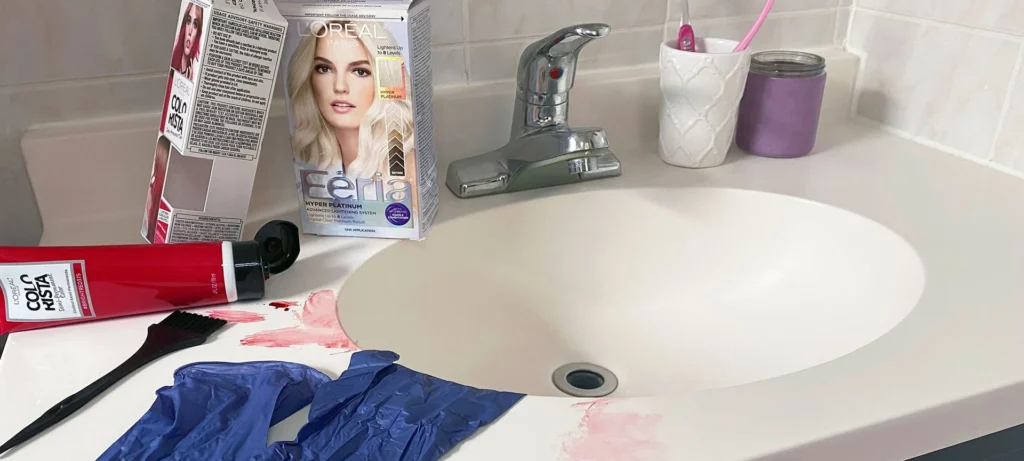
4. Distilled White Vinegar and Dish Soap Solution
Sometimes you don’t want to use the “stinky” stuff, or maybe you’re out of alcohol and baking soda. In that case, the DIYer’s secret weapon—vinegar and Dawn dish soap—is the way to go. I use this mixture for everything from cleaning windows to degreasing my stove, and it works surprisingly well on semi-permanent hair dyes.
Mix equal parts white vinegar and grease-fighting dish soap. The soap acts as a surfactant, breaking the surface tension of the dye, while the acetic acid in the vinegar helps lift the color. I’ve found that heating the vinegar in the microwave for 30 seconds before mixing it makes it twice as effective. The heat helps the solution penetrate deeper into the stain.
Apply the mixture and let it sit for at least 15 minutes. This isn’t a “wipe and go” situation; you need to let the chemistry do the heavy lifting so your biceps don’t have to. After it has sat for a while, use a stiff-bristled nylon brush to scrub the area. Avoid metal brushes—unless you want your sink to look like it was attacked by a disgruntled badger.
5. Magic Erasers: The Fast Fix for Textured Surfaces
If you have a sink with a bit of texture, or if the dye has settled into the grout lines around the edge of the basin, a melamine sponge (commonly known as a Magic Eraser) is your savior. These things are basically extremely fine sandpaper. They work by “erasing” the top microscopic layer of the surface where the dye is trapped.
I’ve used these to save a marble-effect laminate countertop that I thought was a goner after a DIY “midnight mahogany” incident. Just wet the sponge, squeeze out the excess, and scrub gently. Don’t go overboard; if you scrub too hard in one spot for too long, you can actually dull the shiny finish of your sink. It’s all about a light touch and patience.
The beauty of the Magic Eraser is that it doesn’t require any extra liquids or pastes. It’s the least messy option on this list. Just keep in mind that the sponge will disintegrate as you use it—that’s normal. Once the stain is gone, wipe the residue away with a damp cloth. It’s a “bonus” tip for those of us who are too tired after a three-hour hair processing session to deal with a complicated cleanup.
A Quick Side Note: The Hairspray Hack
If you’re in a total pinch and none of the above are in your cabinet, check your styling kit for an old-school aerosol hairspray. It has to be the cheap, high-alcohol content stuff—not the fancy non-aerosol organic mists. Spray it thick on the stain, let it sit for a minute, and wipe. The alcohol in the spray acts as a solvent. It’s a bit sticky, but it works when you’re desperate!
Real Talk: When to Admit Defeat
I’m all about saving money and doing it yourself, but I’ve also learned that some battles aren’t worth the scars. If you have an unsealed natural stone sink—like real marble or granite—and that dye has been sitting there for three days, you might be in trouble. Natural stone is incredibly thirsty. It sucks up dye like a sponge.
If you’ve tried the baking soda paste twice and the stain hasn’t budged, stop scrubbing. You run the risk of permanently damaging the stone’s sealant or etching the surface. At that point, you might need a professional stone poultice or a specialist.
Also, skip the bleach. Everyone’s first instinct is to reach for the Clorox, but on many modern sink materials, bleach can actually cause yellowing or weaken the integrity of the finish. It’s a “pretty on Pinterest” fix that can turn into a long-term headache. Stick to the solvents and mild abrasives mentioned above.
Parting Wisdom from the Workbench
The absolute best way to remove hair dye from a sink is to never let it settle in the first place. Before you even open that bottle of color, coat your sink and countertop with a thin layer of petroleum jelly or a heavy-duty dish soap. If any dye drops, it will sit on top of that barrier instead of soaking into your sink. It’s a five-second step that saves you an hour of scrubbing later.
I’ve discovered the hard way that a little preparation prevents a lot of swearing later. Whether you’re a DIY veteran or just trying to get your security deposit back, these methods should get your bathroom back to its former glory.
What’s the wildest color you’ve accidentally dyed your bathroom? Drop your horror stories or your own secret cleaning hacks in the comments below—I’d love to hear how you handled it!