
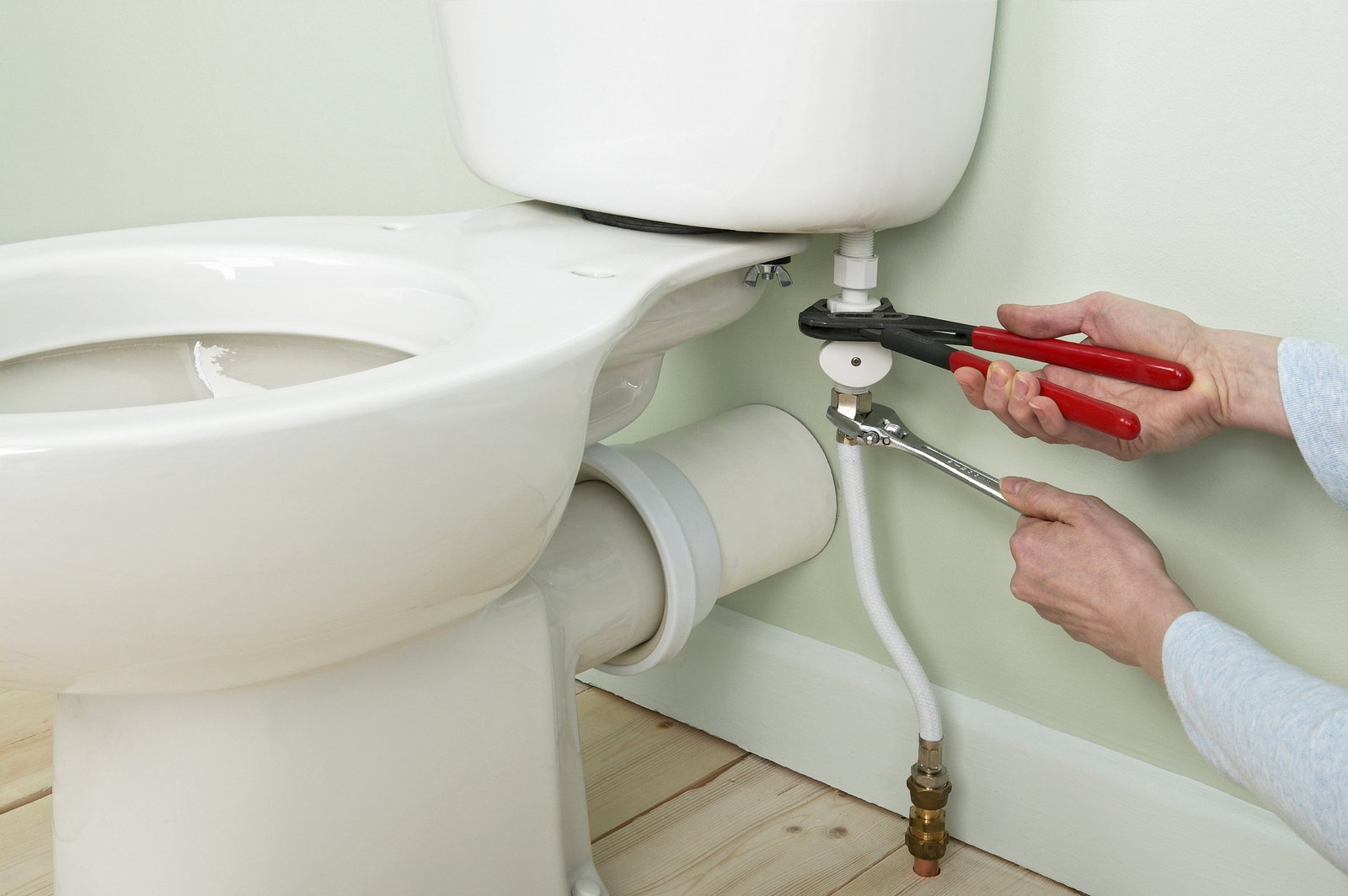
I once spent three hours trying to “fix” a leaky faucet with a roll of duct tape and a prayer, only to end up flooding my hallway and earning a lifelong ban from the local hardware store’s DIY workshops. Twelve years and hundreds of actual repairs later, I’ve realized that 90% of bathroom drama is caused by things that take less time to fix than it takes to brew a pot of coffee.
You don’t need a $150-an-hour plumber to stop that annoying drip or fix a toilet that sounds like it’s preparing for liftoff. You just need a few basic tools, a little bit of confidence, and the willingness to get your hands slightly damp. Here is how you can tackle the most common bathroom headaches without losing your mind or your security deposit.
1. How to Fix a Leaky Bathtub Spout or Showerhead
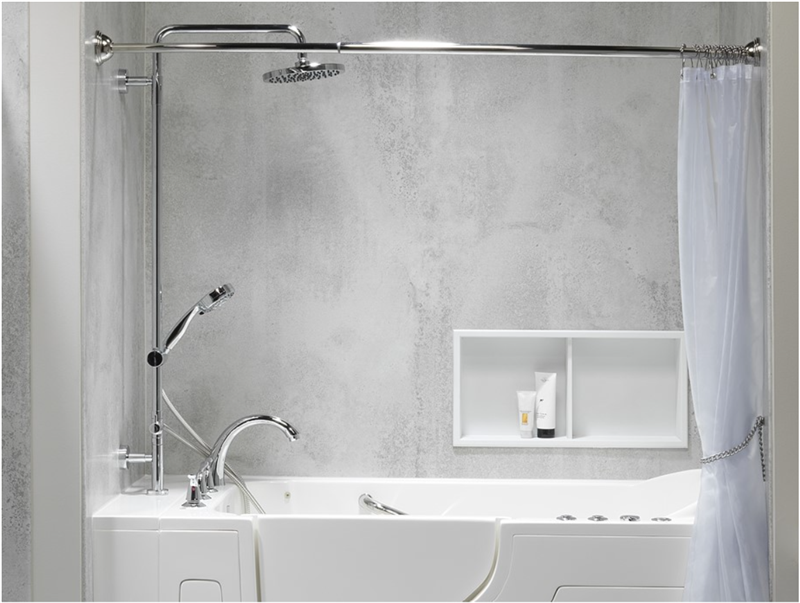
Most people see a dripping showerhead and assume the whole unit is haunted or broken. I used to be one of them until I realized that mineral buildup is the ultimate silent killer of bathroom fixtures. If your showerhead is spraying water at weird angles—like it’s trying to hit your ears but not your hair—it’s usually just “calcified.” That’s a fancy word for “clogged with gunk from your city’s pipes.”
I’ve found that those expensive “CLR” chemicals are a total waste of money when you have a bottle of white vinegar in the pantry. To fix a low-pressure or dripping showerhead, unscrew it from the arm (wrap a rag around the connection first so your pliers don’t scratch the finish). Soak the entire head in a bowl of vinegar for about 20 minutes. If the buildup is stubborn, poke the little rubber nozzles with a toothpick. It’s strangely satisfying, like popping bubble wrap but for adults who care about water pressure.
When you put it back together, please don’t skip the plumber’s tape (that white, stretchy stuff). Wrap it clockwise around the threads. If you wrap it counter-clockwise, the tape will just unspool and bunch up when you screw the showerhead back on, and you’ll be back to square one, cursing my name while water sprays the ceiling. Trust me, I’ve done it both ways, and the clockwise way is the only way that doesn’t lead to a tantrum.
2. Unclogging a Slow Sink Drain Without Using Corrosive Chemicals
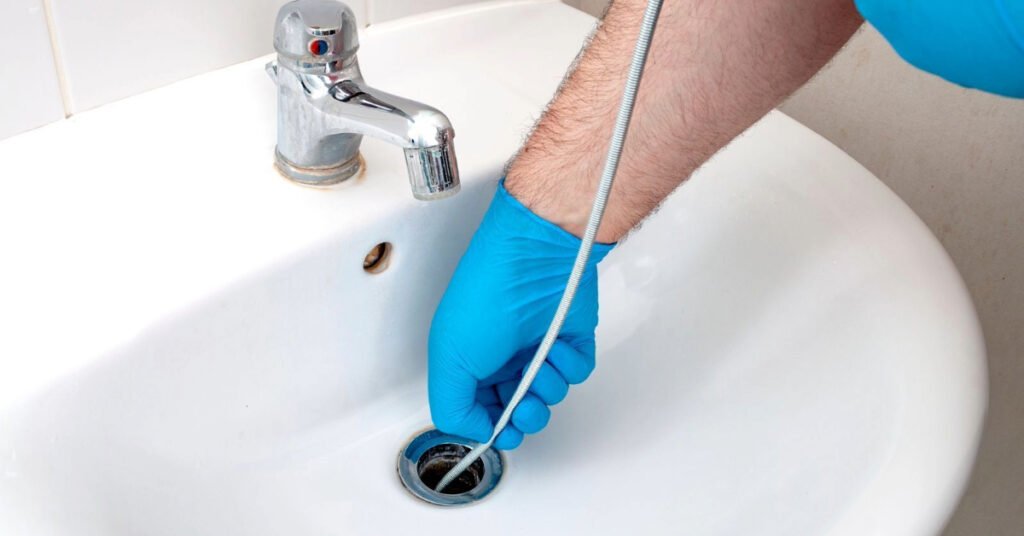
If your sink is taking ten minutes to swallow your toothpaste spit, you don’t need to pour a gallon of liquid fire down the drain. In fact, I hate those chemical drain cleaners. They eat through your pipes, smell like a lab accident, and rarely solve the actual problem, which is almost certainly a “hair monster” living in your P-trap. I once pulled a clump out of a guest bath that was so large I almost named it and started charging it rent.
Instead of chemicals, grab a “zip strip”—those long plastic sticks with the little thorns on the sides. You shove it down the drain, wiggle it around, and pull. It’s gross, it’s slimy, and it’s the most effective thing you’ll ever do for your plumbing. If the clog is deeper, you’ll need to clear the P-trap (the U-shaped pipe under the sink). Put a bucket down first! I forgot the bucket once during a 2018 remodel and ended up smelling like greywater for a week.
Unscrew the two large slip nuts on the U-pipe by hand. If they’re stuck, use channel locks, but be gentle. Take the pipe to a different sink, wash out the sludge, and check for any lost rings or LEGO heads. Reinstalling it is just a matter of tightening those nuts back up. If it leaks after you tighten it, you probably cross-threaded it. Back it off and try again. It’s a five-minute job that saves you a massive plumbing bill.
3. Silencing a Running Toilet by Replacing the Flapper
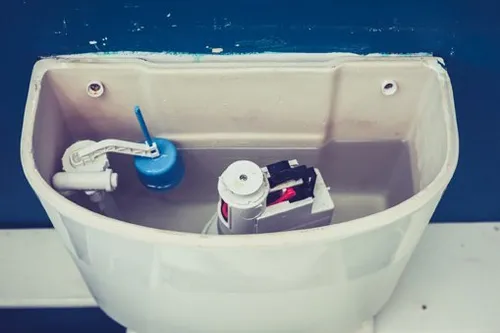
A running toilet is basically the sound of your money being flushed away in real-time. My first year as a homeowner, I ignored a “phantom flush” for six months and ended up with a water bill that looked like a phone number. I thought I needed a whole new toilet. Turns out, I just needed a $5 piece of rubber called a flapper. The flapper is the “plug” at the bottom of the tank that lifts when you hit the handle.
Over time, the rubber degrades or gets covered in slime, preventing it from sealing properly. To fix this, turn off the water valve behind the toilet and flush to empty the tank. Reach in there—don’t worry, the water in the tank is clean—and unhook the old flapper from the ears of the overflow tube. Take the old one to the store with you because there are about fifty different sizes, and picking the wrong one is a recipe for a second trip to the store, which is the ultimate DIY failure.
Snap the new one on, hook the chain to the handle lever, and turn the water back on. Make sure the chain has just a little bit of slack. If it’s too tight, the flapper won’t sit down; if it’s too loose, you’ll have to hold the handle down like a caveman every time you flush. It’s a delicate balance, like trying to pick the right temperature for a toddler’s bathwater.
4. Replacing a Worn-Out Toilet Handle That Sticks
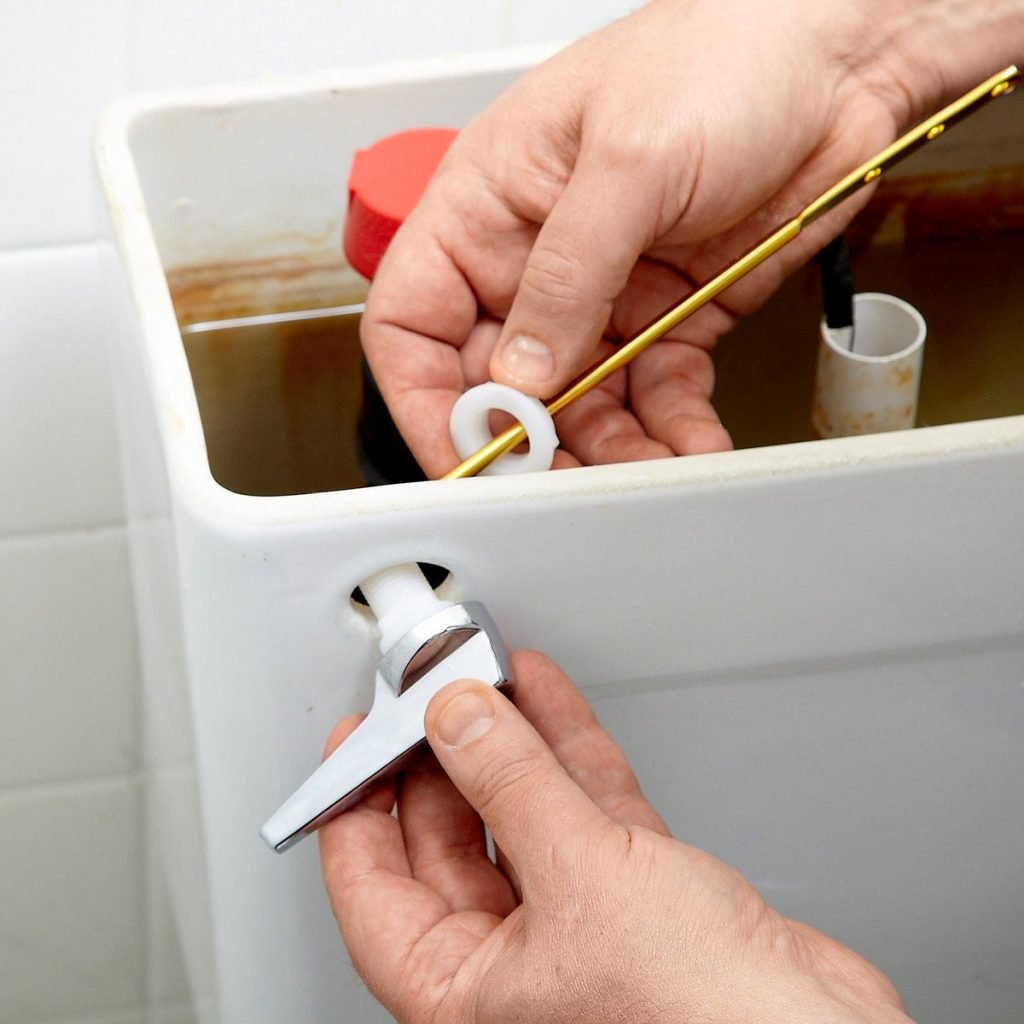
There is nothing more frustrating than a toilet handle that sticks in the “down” position, causing the toilet to run until you jiggle it. I used to think my toilet was just “finicky,” but the truth is that the nut holding the handle on usually just gets corroded or loose. Or, the plastic arm inside the tank is starting to snap. Either way, it’s a ten-minute fix that makes your bathroom feel a thousand times more “luxury” than it actually is.
The biggest “gotcha” here is that toilet handle nuts are reverse-threaded. This means you turn them to the right to loosen them. I spent forty minutes once trying to “lefty-loosey” a handle nut until I nearly cracked the porcelain tank. Don’t be like me. Turn it the “wrong” way to get it off. Once the old handle is out, slide the new one in and tighten that nut (remember: turn left to tighten!).
While you’re at it, check the chain length again. A lot of “sticky handle” problems are actually just the chain getting caught under the flapper. If the handle itself is fine but just feels “crunchy,” a little bit of waterproof grease on the pivot point can work wonders. But honestly, for five bucks, just buy a shiny new chrome or matte black handle and give your throne the upgrade it deserves.
5. Recaulking the Base of Your Sink or Backsplash
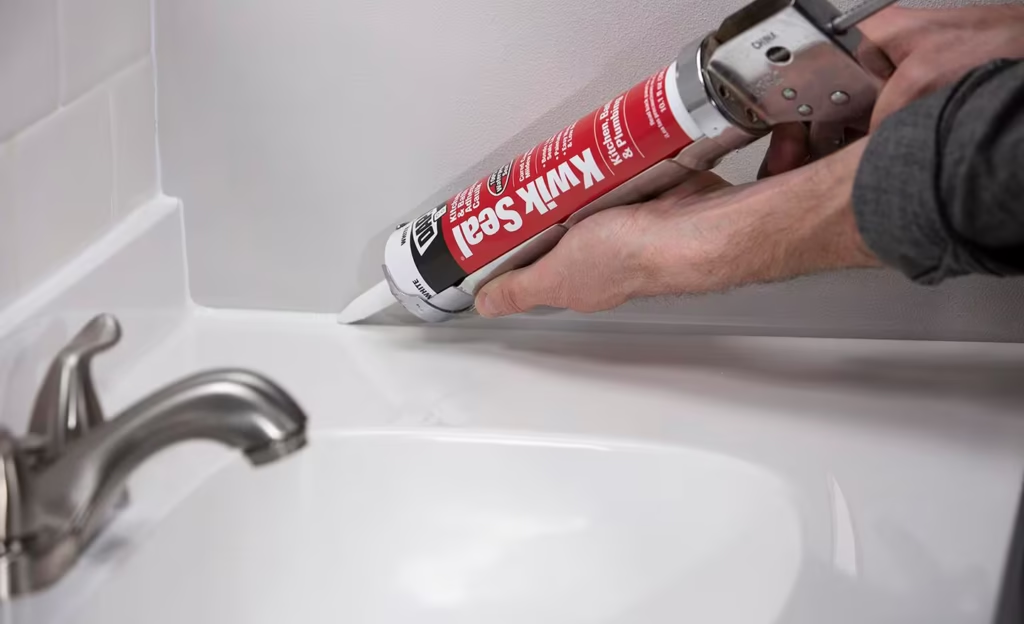
Nothing screams “I’ve given up on life” like moldy, peeling caulk around a sink. It’s the easiest way to make a clean bathroom look filthy. I used to be terrified of caulking because I thought you needed the steady hand of a neurosurgeon to get a clean line. Spoiler: You don’t. You just need a roll of painter’s tape and a wet finger.
First, you have to get the old, nasty stuff off. Use a plastic putty knife or a dedicated caulk removal tool. Don’t use a metal screwdriver unless you want to scratch your countertop to pieces (another lesson I learned the hard way in my first apartment). Once it’s clean and dry—and I mean bone dry—lay down two strips of painter’s tape, leaving about a 1/4 inch gap between them where the new caulk will go.
Squeeze a thin bead of silicone caulk into the gap, run your wet finger over it to smooth it out, and then immediately peel the tape away. You’ll be left with a line so perfect it looks like a professional did it. If you try to do it without the tape and you aren’t a pro, you’ll end up with caulk smeared halfway up the wall and all over your knuckles. It’s a mess that stays sticky forever. Use the tape. Save your sanity.
A Quick Side Note: The “Magic” of Aerators
If your faucet has pathetic flow but the shower is fine, unscrew the very tip of the faucet. That’s the aerator. It’s usually full of tiny pebbles or sand. Rinse it out, put it back, and watch your water pressure double. It takes 30 seconds and feels like a miracle.
Real Talk: When to Put the Wrench Down
I’m all for DIY, but I’ve also learned that some things are a “Hard No” for a Saturday morning project. If you see water leaking from inside a wall, stop. If you see a pipe that is bright green and crumbling, stop. If you have to move a gas line, for the love of all that is holy, call a professional.
I once tried to “re-route” a pipe to fit a vanity I bought on clearance, and I ended up hitting a line that I didn’t realize was live. I didn’t blow up the house, but the bill to fix my “fix” was triple what the vanity cost. Pinterest makes “gutting a bathroom” look like a fun weekend activity, but if it involves structural changes or major electrical, your time is better spent elsewhere—like choosing the perfect shade of “Greige” for the walls.
Parting Wisdom
The secret to home maintenance isn’t being a genius; it’s just being brave enough to take things apart and patient enough to put them back together correctly. Most bathroom issues are just mechanical puzzles waiting to be solved. If you can use a screwdriver and read a label, you’re already more qualified than half the “handymen” on the internet.
So, what’s the one thing in your bathroom that’s been driving you crazy for months? Is it a leaky faucet, a loose toilet seat, or a drain that’s slower than a snail on a treadmill? Tell me about your DIY wins (or epic fails) in the comments below—I’ve probably made the same mistake, so I won’t judge!