Window contact sensors provide a simple way to know when a window opens, whether you want instant phone alerts, a local chime, or a dependable connection to an existing alarm system.
These 10 picks cover major installation types and budgets, from Ring and Matter-compatible kits to standalone alarms, Zigbee sensors, Wi-Fi models, and wired magnetic contacts.
Best 10 Window Contact Sensors for Home Use Picks for 2026
Compact Smart Coverage
Ring Alarm Contact Sensor 2-Pack

- Slim, tool-free installation
- Approximately three-year battery life
- Requires Ring Base Station and subscription for mobile alerts
Best For: Ring Alarm users covering two doors or windows
Selectable Local Alerts
Philips 4-Pack Window and Door Alarm

- 120-decibel alarm or chime modes
- Adhesive, tool-free installation
- Includes four alarms and LR44 batteries
Best For: Simple local protection across several entry points
Whole-Home Ring Expansion
Ring Alarm Contact Sensor 6-Pack
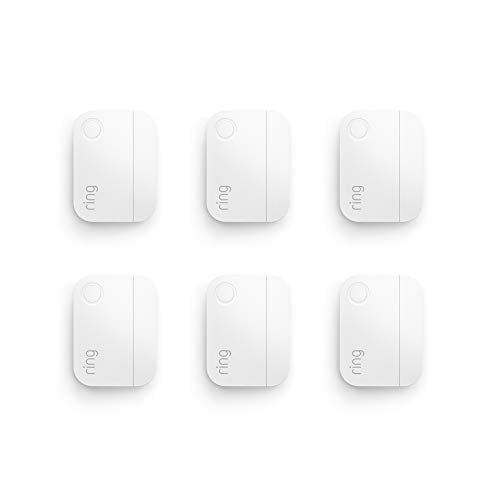
- Covers six doors or windows
- Slim, tool-free frame installation
- Requires Ring Base Station and subscription for mobile alerts
Best For: Ring Alarm households expanding entry-point coverage
Bulk Local Protection
UltraPro 12-Pack Window and Door Alarm

- Twelve alarms for broad indoor coverage
- 120-decibel siren or chime settings
- No apps or monthly fees required
Best For: Large spaces needing simple standalone alerts
Best Matter Starter Kit
Tapo Smart Door and Window Sensors

- Three sensors plus a hub with built-in chime
- App alerts, 90dB alarm, and activity history
- Matter support with smart-home automation
Best For: Multi-entryway monitoring and smart-home automation
Best Slim Ring Option
Ring Alarm Contact Sensor 2nd Gen
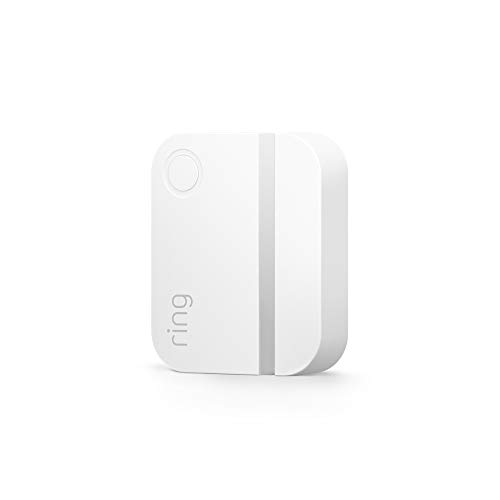
- Slim design for flexible frame placement
- Instant mobile open-door and window alerts
- Approximately three-year battery life
Best For: Existing Ring Alarm users
Best Hub-Based Pick
SONOFF SenseGuard DW Gen2 4-Pack

- Four-pack for multiple doors and windows
- Tamper alerts and smart automations
- Requires a compatible Zigbee hub
Best For: Multi-entry-point Zigbee smart homes
Best Wired Retrofit Set
QLXHBOT RC-33 Recessed Contacts

- Five wired contact sets
- Compact recessed installation
- Normally closed circuit design
Best For: Existing wired alarm systems
Best Hub-Free Wi-Fi Option
Gaoducash Smart WiFi Door Sensor

- No hub required
- App alerts over 2.4GHz Wi-Fi
- Works with Alexa and Google Assistant
Best For: Single-entry-point hub-free monitoring
Compact Smart Coverage – Ring Alarm Contact Sensor 2-Pack
For shoppers seeking window contact sensors for home use with mobile notifications, the Ring Alarm Contact Sensor 2-Pack offers a slim, tool-free installation option for two doors or windows. It requires a Ring Alarm Base Station, and mobile alerts require a Ring Protect subscription, sold separately.
Best For: Ring Alarm households monitoring a small number of entry points.
Pros:
- Slim design supports more placement options.
- Installs without tools on door and window frames.
- Includes two CR2032 batteries with an approximately three-year battery life.
Cons:
- Requires a Ring Alarm Base Station.
- Mobile alerts require a Ring Protect subscription sold separately.
This is a practical choice when you already use Ring Alarm and want compact sensors for a few openings. It is less suitable as a standalone solution because of the required base station.
Selectable Local Alerts – Philips 4-Pack Window and Door Alarm
The Philips Personal Security Alarm is a straightforward option among window contact sensors for home use, combining magnetic contact detection with a 120-decibel alarm or chime. Its adhesive mounting and included batteries make it suitable for basic, wireless coverage without an app or hub.
Best For: Apartments, homes, garages, RVs, or other spaces needing simple local alerts.
Pros:
- Four alarms provide coverage for multiple doors or windows.
- Selectable off, chime, and alarm settings.
- Tool-free adhesive installation with four LR44 batteries included.
- Includes a battery test button and low-battery indicator LED.
Cons:
- Maximum stated sensor range is 0.5 inches.
- Local chime or alarm operation does not provide stated mobile notifications.
Choose this pack if you want an uncomplicated audible alert system with flexible chime and alarm modes. Its larger pack size offers useful coverage, though it is designed for local notification rather than connected monitoring.
Whole-Home Ring Expansion – Ring Alarm Contact Sensor 6-Pack
For larger coverage needs, the Ring Alarm Contact Sensor 6-Pack is a scalable choice among window contact sensors for home use. The slim sensors install without tools on door and window frames, while instant mobile alerts depend on a Ring Alarm Base Station and a Ring Protect subscription sold separately.
Best For: Ring Alarm users monitoring several doors and windows at once.
Pros:
- Six sensors cover multiple entry points.
- Slim design enables increased placement options.
- Tool-free mounting on door and window frames.
- Includes CR2032 batteries with approximately three-year battery life.
Cons:
- Requires a Ring Alarm Base Station.
- Ring Protect subscription is sold separately for mobile alerts.
The six-pack makes sense when you want consistent Ring coverage throughout a home instead of buying sensors individually. It delivers the best fit within an existing Ring ecosystem, not as a standalone alarm setup.
Bulk Local Protection – UltraPro 12-Pack Window and Door Alarm
The UltraPro 12-Pack is a practical, no-fee option for shoppers comparing window contact sensors for home use across many indoor entry points. Each wireless alarm uses adhesive mounting and offers selectable chime or 120-decibel siren alerts, with no apps or monthly fees required.
Best For: Homes, apartments, dorms, offices, RVs, and campers needing broad local coverage.
Pros:
- Twelve alarms provide extensive coverage for doors, windows, cabinets, or drawers.
- Selectable off, chime, and alarm settings.
- Fast, tool-free installation with included double-sided tape.
- Includes LR44 batteries and front low-battery indicator LEDs.
Cons:
- Provides local chime or siren alerts rather than stated mobile notifications.
- Uses 48 LR44 batteries across the 12 included alarms.
This pack is a strong fit when quantity and simple standalone operation matter most. It avoids hub and subscription requirements, but it is intended for on-site awareness rather than app-based remote monitoring.
Best Matter Starter Kit – Tapo Smart Door and Window Sensors
For shoppers comparing window contact sensors for home use, the Tapo T31 Kit is a practical choice when you want multiple sensors, app notifications, and smart-home automation in one package. It includes three T110 contact sensors and an H100 hub, with Matter compatibility for supported platforms.
Best For: Homeowners who want wireless monitoring for several doors or windows plus expandable smart-home features.
Pros:
- Includes three sensors and a hub with a built-in chime.
- Sends real-time open and close notifications through the Tapo app.
- Supports alarms, activity history, camera automations, and smart-light routines.
- Uses Sub-G connectivity for extended range and longer battery life.
Cons:
- The sensors require the included Tapo hub to operate.
- A 2.4 GHz Wi-Fi connection is required for the hub.
- Some Matter platform features may depend on compatible smart-home equipment.
This kit stands out for households building a broader connected-security setup. Its hub requirement adds another component, but the included three-pack and automation options make it more versatile than a basic standalone contact sensor.
Best Wired Value Pack – WESUA Magnetic Contact Switches
For window contact sensors for home use that connect to an existing wired alarm or access-control system, this five-pack offers a straightforward installation option. These surface-mounted magnetic contacts use screw terminals and include mounting screws.
Best For: Homeowners or installers adding multiple contacts to a compatible wired security system.
Pros:
- Five sensors are included in one pack.
- Works with wired burglar alarm and wired access-control systems.
- Surface-mount design uses screw terminals for installation.
- Cover conceals mounting and terminal screws for a cleaner appearance.
Cons:
- These are corded, wired contacts rather than wireless smart sensors.
- They require a compatible wired alarm or access-control system.
- They do not provide standalone mobile notifications.
This is a sensible fit when your home already has wired security equipment and you need several replacement or additional contacts. It is less suitable for renters or anyone seeking app-based monitoring without a separate alarm panel.
Best Slim Ring Option – Ring Alarm Contact Sensor 2nd Gen
The Ring Alarm Contact Sensor 2nd Gen is a compact option for shoppers seeking window contact sensors for home use within the Ring ecosystem. It installs without tools, fits narrow frames, and sends mobile alerts when a monitored door or window opens.
Best For: Ring Alarm households that want a discreet sensor with long stated battery life.
Pros:
- Slim design supports placement on a variety of door and window frames.
- Provides instant mobile alerts for open doors and windows.
- Tool-free installation simplifies setup.
- Includes two CR2032 batteries with an approximately three-year battery life.
Cons:
- A Ring Alarm Base Station is required.
- It is designed for the Ring Alarm ecosystem rather than general standalone use.
- Some broader Ring features require a compatible subscription sold separately.
Choose this sensor when you already use Ring Alarm and value a low-profile design. The base-station requirement limits compatibility outside that system, but it offers a simple way to add another monitored entry point.
Best Hub-Based Pick – SONOFF SenseGuard DW Gen2 4-Pack
For shoppers comparing window contact sensors for home use, the SONOFF SenseGuard DW Gen2 is a flexible option for monitoring several entry points. Its Zigbee connection supports app alerts, tamper notifications, and smart-home automations, but it requires a compatible Zigbee hub.
Best For: Homes that already use Zigbee, Home Assistant, Alexa, or SmartThings and need sensors for multiple doors or windows.
Pros:
- Four sensors provide coverage for multiple entry points.
- Supports open/close monitoring, tamper alerts, and phone notifications.
- AAA battery power and up to 30mm detection distance suit varied installations.
- Can trigger alarms, cameras, lights, or voice notifications through smart scenes.
Cons:
- A compatible Zigbee hub is required.
- Setup and automation depend on the selected Zigbee ecosystem.
This is a strong choice when broad coverage and automation matter more than hub-free installation. Its horizontal or vertical magnet placement also helps accommodate different door and window frames.
Best Wired Retrofit Set – QLXHBOT RC-33 Recessed Contacts
These QLXHBOT RC-33 contacts are a practical choice for wired window contact sensors for home use, especially when connecting multiple openings to an existing alarm circuit. The recessed design is compact, and the five-set package is suited to installations where battery-free contacts are preferred.
Best For: DIY or replacement projects using a compatible wired security or alarm system.
Pros:
- Five contact sets support several doors or windows.
- Recessed installation keeps the components relatively unobtrusive.
- Normally closed operation is clearly specified for alarm-circuit planning.
- Supports a 15–25mm actuation distance and up to 110V working voltage.
Cons:
- Wired installation is required.
- It does not provide standalone app alerts or wireless smart-home connectivity.
- Normally closed operation must match the intended alarm system.
Choose this set if you are extending an existing wired setup rather than seeking a plug-and-play smart sensor. Verify the circuit requirements and magnet spacing before installation.
Best Hub-Free Wi-Fi Option – Gaoducash Smart WiFi Door Sensor
The Gaoducash Smart WiFi Door Sensor is a convenient pick among window contact sensors for home use when you want phone notifications without adding a hub. It connects through the Tuya Smart or Smart Life app, supports Alexa and Google Assistant, and works on 2.4GHz Wi-Fi.
Best For: Renters and smart-home users who want a single, battery-powered sensor with app alerts and no separate hub.
Pros:
- No hub or subscription fees are required according to the supplied notes.
- Sends app alerts when a door or window opens or closes.
- Supports Alexa and Google Assistant voice control.
- Includes AAA batteries, low-battery notifications, and adhesive installation.
Cons:
- It supports 2.4GHz Wi-Fi, not 5GHz Wi-Fi.
- The one-pack covers only one entry point.
- Battery life is specified as over six months, so batteries will require periodic replacement.
This sensor is straightforward for basic remote monitoring and Tuya-based automations. Confirm that your network has a 2.4GHz connection and that the intended mounting surface suits the included adhesive.
How We Picked the Best Window Contact Sensors for Home Use
We evaluated these sensors by comparing their connection method, installation requirements, alert options, compatibility, battery expectations, pack size, and suitability for common home-security setups. The selection includes standalone alarms for simple protection, smart sensors that connect to apps or hubs, and wired magnetic contacts for conventional alarm panels.
Because a sensor is only useful when it fits your system and installation preferences, we also considered whether each option requires a hub, supports local sound, works with a major smart-home standard, or needs wiring and recessed installation.
Quick Comparison
| Type | Best For | Main Consideration |
|---|---|---|
| Ring contact sensors | Ring Alarm users and straightforward wireless monitoring | Best value when you already use the Ring ecosystem |
| Standalone chime alarms | Basic window alerts without an app or hub | Local notification only |
| Matter or Zigbee sensors | Connected smart-home systems | Requires compatible hub or controller |
| Wi-Fi sensor | App notifications without a dedicated proprietary hub | Depends on Wi-Fi and app compatibility |
| Wired magnetic contacts | Existing alarm panels and permanent installations | More installation work and wiring |
Key Buying Factors for Window Contact Sensors
Connection and Compatibility
Check whether the sensor uses Ring, Matter, Zigbee, Wi-Fi, or a direct standalone chime. A sensor may not connect directly to your phone or alarm panel without the required hub. If you already have a smart-home platform, matching its standard can make setup and automation easier.
Alert Method
Choose phone notifications if you need remote awareness, a built-in or included chime for immediate audible alerts, or alarm-panel integration for broader security routines. Some products can provide more than one alert type, but verify the app and hub requirements before buying.
Installation and Fit
Most wireless contact sensors attach with adhesive or screws and need the magnet and sensor body aligned when the window is closed. Measure the available frame space, especially for slim or recessed windows. Wired and recessed contacts offer a cleaner permanent installation but may require drilling, cable routing, or professional help.
Battery Life and Maintenance
Long battery estimates reduce maintenance, but actual life depends on usage, signal strength, temperature, and notification frequency. Place sensors where they remain accessible for replacement, and check whether the system reports low-battery status.
Pack Size and Coverage
Count every opening you want to monitor, including basement windows, side entrances, and patio doors. Multi-packs can lower the per-sensor cost, while a single sensor may be preferable for testing compatibility before expanding.
Who Should Buy Which Window Contact Sensors for Home Use?
Choose Ring if you already use Ring Alarm or want a polished wireless ecosystem with straightforward door and window monitoring. The two-pack, six-pack, and single-sensor options suit different coverage needs.
Choose Philips or UltraPro if you want simple, self-contained audible protection without building a connected smart-home system. These are practical for renters, bedrooms, garages, or secondary windows where a local chime is sufficient.
Choose Tapo Matter or SONOFF Zigbee if you want sensors that can participate in smart-home automations and already own a compatible hub or controller. Matter is especially useful when cross-platform compatibility matters.
Choose Wi-Fi for app-based alerts without a separate proprietary hub, provided your wireless network is reliable. Choose wired or recessed magnetic contacts for an existing alarm panel or a clean, permanent installation where wiring is acceptable.